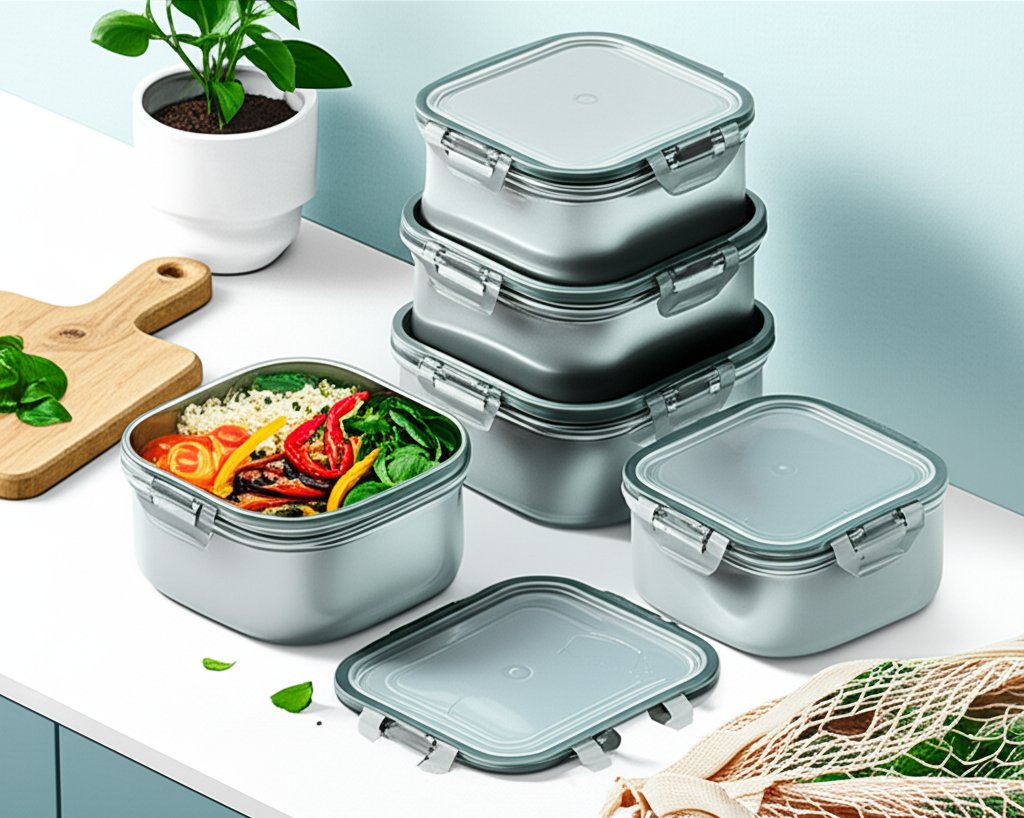
That familiar Sunday evening scramble—navigating a kitchen filled with cooling pots, chopped vegetables, and a chaotic mix of mismatched plastic containers—is a weekly ritual for many. You’re trying to get ahead, but the flimsy lids and lingering smells from last week’s chili make it feel like a step backward. This is precisely where high-quality stainless steel food storage containers change the entire game, transforming meal prep from a chore into a streamlined, satisfying process. They are the durable, non-toxic, and endlessly reusable foundation for a week of fresh and organized meals.
At a Glance: Your Meal Prep Upgrade
- Why Steel Wins: Understand how stainless steel’s durability, non-porous surface, and temperature stability make it superior for meal prepping.
- Build Your Perfect Kit: Learn to select the right container shapes, sizes, and lid types for specific meals, from crisp salads to hearty stews.
- Master the Workflow: Follow a step-by-step Sunday prep plan that leverages the unique properties of steel for maximum freshness.
- Avoid Common Pitfalls: Discover what not to do with your containers, like sealing hot foods or using the wrong cleaning methods.
- Get Answers Fast: Find clear, expert answers to your most pressing questions about using steel for daily food storage.
The Unbeatable Edge of Steel in Your Kitchen
While glass is heavy and plastic can warp, stain, and harbor odors, stainless steel offers a unique combination of benefits perfectly suited for the rigors of weekly meal prep. It’s less about a single feature and more about how its core properties work together to keep your food tasting exactly as you intended.
First, steel is non-reactive. Unlike plastic, it won’t absorb the color of your tomato sauce or the scent of last week’s curry. This means your fresh Greek salad on Thursday won’t have a mysterious hint of Monday’s lemon-garlic chicken. This single quality preserves the integrity and flavor of your carefully prepped meals.
Second, its durability is unmatched. High-quality food-grade stainless steel (typically 18/8 or 304 grade) resists dents, scratches, and rust. You can stack them, drop them, and transport them without fear of cracking or shattering. They are a one-time investment that outlasts countless sets of their plastic counterparts, making them both an economical and sustainable choice. For a full breakdown of how different materials stack up for food storage, our complete Stainless Food Storage Guide provides a detailed comparison.
Finally, steel offers excellent temperature stability. While not insulated by default, the material helps maintain the temperature of its contents longer than plastic. Chilled foods stay crisp, and once-hot foods cool evenly. Many high-grade containers are also oven-safe (lids excluded!), allowing you to reheat leftovers without transferring them to another dish.
Choosing Your Meal Prep Arsenal: The Right Containers for the Job
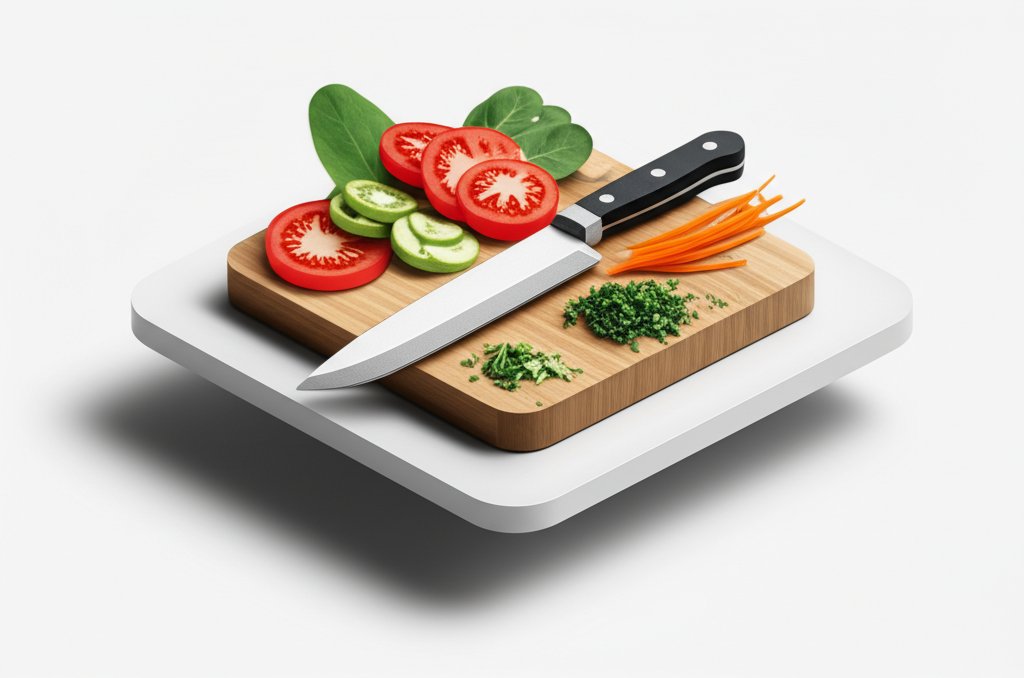
Building a functional collection isn’t about buying a massive, one-size-fits-all set. It’s about strategically selecting pieces that match what you actually eat. A well-curated kit makes portioning and packing fast and intuitive.
Match the Shape to the Meal
Think about your go-to prep meals and choose shapes that serve them best.
- Rectangular Containers: The workhorse of meal prep. Ideal for portioning classic “protein, carb, and veggie” meals. They stack neatly in the fridge and fit perfectly into lunch bags.
- Round Containers: Excellent for soups, stews, chilis, and grain bowls. Their shape makes them easy to stir and eat from directly. They’re also great for storing bulkier items like chopped fruit or yogurt parfaits.
- Small Round/Square “Dippers”: Don’t overlook these. Tiny containers (2-4 oz) are essential for dressings, sauces, nuts, or seeds. Keeping these separate prevents your main meal from becoming soggy.
Decoding Lid Types for a Leak-Proof Life
The lid is just as important as the base. The right lid ensures your bag stays free of balsamic vinaigrette disasters.
| Lid Type | Best For | Pros | Cons |
|---|---|---|---|
| Silicone Lids | Leak-proof storage for liquids, dressings, and saucy meals. | Flexible, creates an airtight seal, easy to clean, often oven and freezer safe. | Can sometimes be tricky to snap on perfectly; may absorb strong odors over time. |
| Plastic Lids (with clips) | General-purpose meal prep, lunches, and dry storage. | Easy to secure with locking tabs, often transparent for easy viewing. | Can become brittle and crack over time; may retain stains or smells. |
| All-Steel Lids | Dry goods, sandwiches, non-liquid leftovers. | Extremely durable, 100% plastic-free, easy to clean. | Rarely leak-proof; seal is created by pressure, not a gasket. |
| A smart starter kit might include two large rectangular containers for entrees, two medium round containers for soups or salads, and a set of three small dippers for sauces and snacks. |
A Sunday Well Spent: Your Weekly Stainless Steel Meal Prep Workflow
With the right containers in hand, you can optimize your prep process. This workflow is designed to maximize freshness and save you time.
Step 1: Plan and Cook in Batches
Before you do anything, plan your meals for the week. This informs your grocery list and cooking strategy. Cook all your grains (quinoa, rice), roast all your vegetables, and grill your proteins at the same time.
Step 2: Cool Everything Completely
This is the most critical step for stainless steel food storage containers. Never, ever seal hot or even warm food in an airtight container. Trapped steam creates condensation, which leads to soggy food. Worse, as the air inside cools, it can create a powerful vacuum seal, making the lid nearly impossible to remove without damaging it.
- Pro Tip: Spread cooked food on a baking sheet to cool rapidly. Let it come to room temperature on the counter for 30-45 minutes before transferring it to the fridge to chill completely.
Step 3: Portion and Pack Strategically
Once everything is fully chilled, it’s time to assemble your meals.
- Salads: Pack greens in a large container. Keep dressing and any “wet” ingredients (like tomatoes) in separate small dippers. Add crunchy toppings like nuts or croutons just before serving.
- Grain Bowls: Start with a base of grains, then layer on your protein and roasted veggies. Pack the sauce separately.
- Soups & Stews: Pour directly into your leak-proof round containers. Leave a little headspace (about an inch) if you plan to freeze them.
Step 4: Label and Organize Your Fridge
Use a dry-erase marker or a piece of masking tape to label each container with the contents and the date. This eliminates the “what’s this?” guesswork on a busy Wednesday. Stack your containers by day or by meal type for easy grab-and-go access.
The “Do Not” List: Common Mistakes to Avoid with Stainless Steel
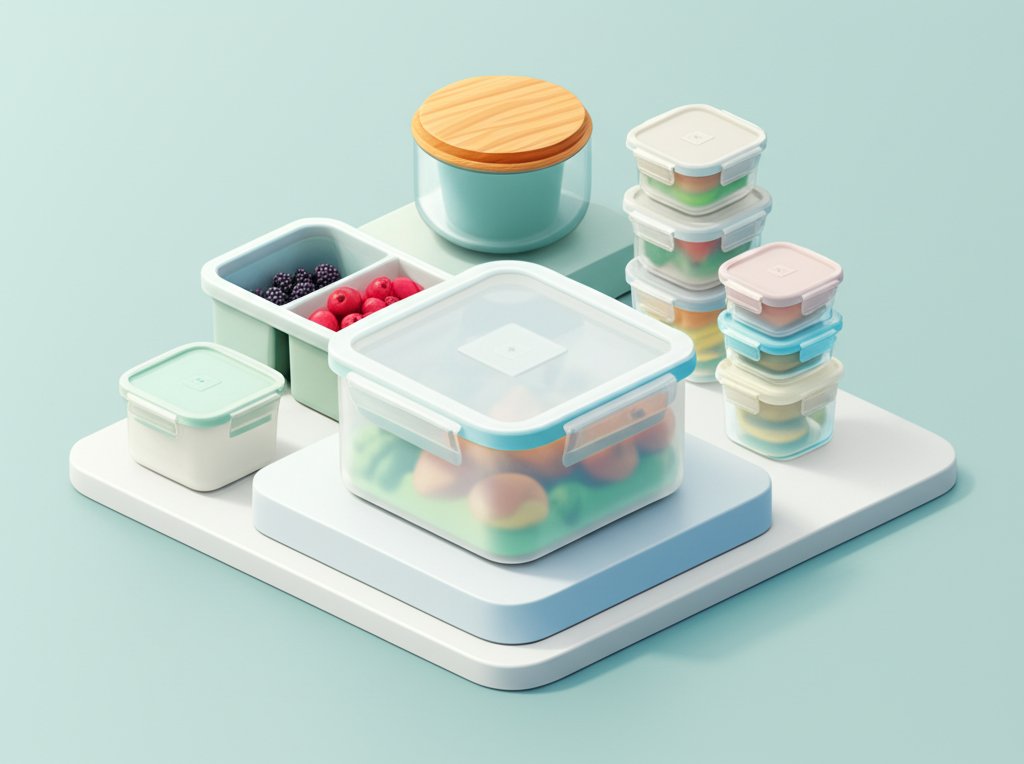
These containers are incredibly resilient, but they aren’t indestructible. Avoiding these common mistakes will ensure they last a lifetime.
- DO NOT Microwave: This is the cardinal rule. Metal in a microwave is a fire hazard and will destroy both the appliance and your container. Transfer food to a microwave-safe dish for reheating.
- DO NOT Use Abrasive Cleaners: Avoid steel wool or harsh scouring powders. They will scratch the polished surface. A regular sponge with dish soap is all you need. For stuck-on food, soak it in warm, soapy water.
- DO NOT Seal Steaming Hot Food: As mentioned, this creates a vacuum seal that can be incredibly difficult to break. Always cool food first.
- DO NOT Use Sharp Metal Utensils: While durable, you can scratch the interior by cutting food directly in the container with a sharp knife. This is mostly cosmetic but can be avoided.
Quick Answers to Common Questions
Getting started with a new system always comes with questions. Here are the most common ones we hear.
Can I put my stainless steel food storage containers in the dishwasher?
Yes, the steel bases are almost always dishwasher-safe (top or bottom rack). For lids, it depends on the material. Silicone lids are generally safe for the top rack. Plastic lids may warp over time with high heat, so check the manufacturer’s instructions; hand-washing is often the safest bet to prolong their life.
Are these containers oven and freezer safe?
Oven-Safe: Most high-quality stainless steel bases are oven-safe up to a certain temperature (e.g., 350-400°F). This is perfect for reheating leftovers. Never put the lids in the oven.
Freezer-Safe: Yes, stainless steel is excellent for freezing. It won’t crack from the cold like glass or become brittle like plastic. Just be sure to leave some headspace for liquids to expand.
Do stainless steel containers keep food hot or cold?
Standard single-wall containers are not insulated. They don’t have the vacuum layer found in a thermos. However, steel is a better conductor than plastic, so it will help food retain its initial temperature for a short period. For long-term temperature control, you need a dedicated insulated food jar.
Are all stainless steel containers the same?
No. Look for “food-grade,” “18/8,” or “304” stainless steel. These designations ensure the material is non-toxic, non-leaching, and rust-resistant. Cheaper, unverified metals may not be safe for food contact.
Your First-Week Meal Prep Plan
Ready to dive in? Don’t feel like you need to replace everything at once. Start small and build your collection.
- Identify Your Biggest Pain Point: Is it soggy salads? Leaky containers in your work bag? Start there.
- Make Your First Purchase:
- If you pack salads: Buy one large rectangular or round container and a set of mini dippers for dressing.
- If you pack leftovers: Get two medium rectangular containers with leak-proof lids.
- If you pack soups: Invest in one high-quality round container with a silicone lid.
- Commit to One Prep Day: Dedicate two hours this Sunday to prepping just three days’ worth of lunches. Experience the ease of a grab-and-go morning.
Making the switch to stainless steel food storage containers is more than just an organizational hack; it’s an investment in fresher meals, a more sustainable kitchen, and a calmer week. You’ll not only taste the difference in your food but also feel the satisfaction of a system that truly works.

- Healthy Meal Prep Bowls For Delicious And Easy Weekday Meals - April 10, 2026
- Healthy Meal Prep Protein Bowls for Quick Weekday Meals - April 9, 2026
- Best Meal Prep Bowls For Quick, Healthy, And Flavorful Meals - April 8, 2026