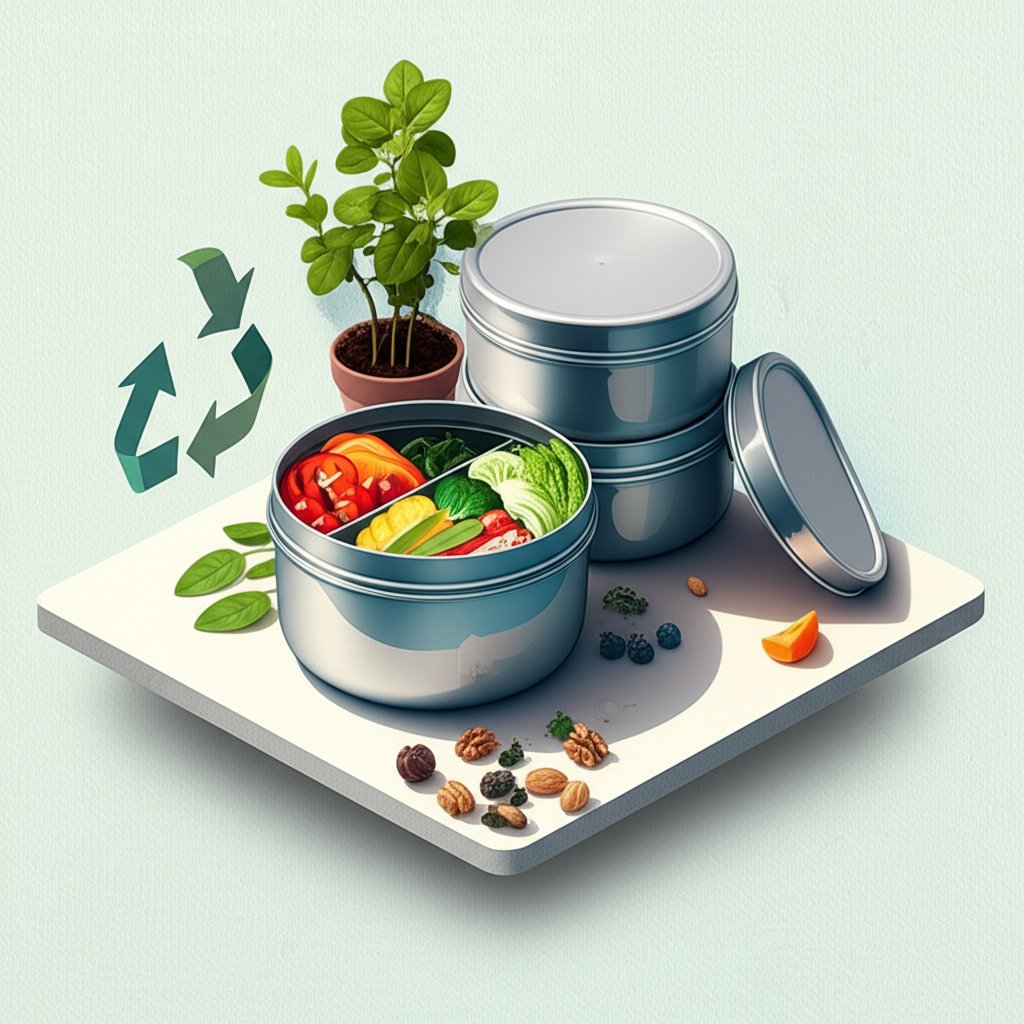
That faint orange stain on your favorite plastic container is a sign of a bigger problem. It’s not just an aesthetic issue; it’s evidence of a material that absorbs odors, degrades with every wash, and can leach unwanted chemicals into your food. This is where high-quality stainless steel food containers change the game entirely, offering a durable, safe, and sustainable alternative for everything from meal prep to packing lunch. They represent a permanent solution in a world of disposable products.
At a Glance: Your Key Takeaways
- Why Steel is Superior: Understand the health, durability, and environmental benefits that make stainless steel a smarter choice than plastic.
- Decoding the Grades: Learn the difference between food-grade (304 or 18/8) steel and lower-quality alternatives to ensure you’re buying a safe, non-toxic product.
- Essential Features: Discover which features actually matter for daily use, from truly leak-proof lids to stackable designs that save precious cabinet space.
- Proper Care for a Lifetime: Get simple, actionable tips for cleaning and maintaining your containers so they last for decades.
- Myth-Busting FAQs: Find clear answers to common questions about using stainless steel in the microwave, freezer, and oven.
Why Your Kitchen Deserves an Upgrade to Stainless Steel
Switching from plastic to stainless steel isn’t just about following a trend. It’s a practical decision with tangible benefits for your health, wallet, and the environment. While glass is a great alternative, steel offers a unique combination of being lightweight and virtually indestructible.
Unmatched Durability: The Last Containers You’ll Need to Buy
Think about the graveyard of cracked plastic lids and warped containers under your sink. Stainless steel food containers are built for the long haul.
- They Don’t Stain or Ghost: That stubborn tomato sauce or curry residue that permanently dyes plastic? It wipes clean from stainless steel without a trace. The material is non-porous, meaning it won’t hang onto the flavors or smells of yesterday’s lunch.
- They Resist Warping and Cracking: Hot dishwashers, drops on the floor, and years of use won’t cause stainless steel to warp, crack, or become brittle. A high-quality container can handle daily abuse and still seal perfectly. A dent might happen with a severe drop, but it won’t shatter like glass.
A Non-Toxic Choice for Your Family’s Health
The primary driver for many people switching to steel is health. Food-grade stainless steel is an inert material, meaning it doesn’t react with food or leach chemicals, even with acidic ingredients like lemon juice or tomato sauce.
This is a stark contrast to many plastics, which can contain compounds like BPA, BPS, and phthalates. The Endocrine Society notes that even BPA-free plastics can release other estrogenic chemicals that may disrupt the body’s hormones. With stainless steel, there is no such risk. You get a clean, pure taste that’s free from any chemical undertones.
Sustainable and Infinitely Recyclable
The lifecycle of a stainless steel container is vastly superior to that of plastic. While plastic is often “downcycled” into a lower-quality product and eventually ends up in a landfill, steel is 100% and infinitely recyclable without any loss of quality.
Choosing a set of steel containers effectively removes hundreds of single-use plastic bags and disposable containers from the waste stream over its lifetime. It’s a purchase you make once that pays dividends for the planet for years to come.
Not All Steel Is Created Equal: A Guide to Grades and Quality
When you start shopping, you’ll see numbers like “18/8” or “304.” These aren’t just marketing terms; they are the key to identifying safe, high-quality stainless steel food containers.
The Gold Standard: Understanding 18/8 and 304 Stainless Steel
For food storage, you should only consider containers made from 304 grade stainless steel. This grade is also commonly referred to as 18/8 stainless steel. The two names refer to the same thing and are often used interchangeably.
- 18% Chromium: This element is the magic ingredient for rust prevention. It forms a passive, invisible layer on the surface of the steel that protects it from corrosion.
- 8% Nickel: Nickel enhances the steel’s durability and corrosion resistance, particularly against acidic foods. It also gives the steel its characteristic luster.
This specific composition is what makes the material stable, non-reactive, and perfectly suited for contact with food. Anything less (like 200-series steel) may rust or impart a metallic taste over time. Once you’ve settled on high-quality 304 stainless steel, the next step is to fit it into your overall storage system. Our comprehensive Guide to stainless food storage covers how to build a versatile collection for every meal.
Signs of Quality vs. Red Flags
Beyond the grade, a few physical clues can tell you if a container is well-made.
| Quality Indicator | Red Flag to Avoid |
|---|---|
| Hefty, Solid Feel: The container has some weight to it and doesn’t bend easily. | Flimsy and Light: The walls feel thin and can be easily flexed with your hands. |
| Smooth, Seamless Interior: Corners are rounded for easy cleaning, with no rough spots. | Sharp Edges or Pitting: Indicates poor manufacturing and can trap bacteria. |
| Clearly Stated Grade: The packaging or product stamp specifies “304” or “18/8.” | Vague “Stainless Steel” Label: If the brand doesn’t specify the grade, assume it’s a lower quality. |
| Reputable Brand: Look for brands with a history of quality kitchenware and positive reviews. | No-Name with Unbelievable Price: Extremely cheap options often cut corners on materials. |
From Lids to Lunchboxes: Essential Features for Daily Use
The best container in the world is useless if the lid leaks or it doesn’t fit in your cabinet. Here are the practical design features that make a real difference.
The Leak-Proof Litmus Test: Silicone Seals vs. Plastic Clasps
A container’s ability to hold liquids comes down to one thing: the lid’s seal.
- Silicone Gaskets are a Must: For anything from soup to salad dressing, look for a lid with a thick, removable silicone gasket. This flexible ring presses into a groove, creating an airtight and watertight seal that plastic-on-steel alone cannot achieve.
- Secure Locking Mechanisms: The most secure lids use sturdy metal clips that clamp the lid down on all sides. Some innovative designs use silicone lids that stretch to create a seal, which are great for solid foods but can be less reliable for liquids on the go.
A Quick Scenario: Imagine packing a hearty lentil soup for lunch. A container with a simple press-on plastic lid is a recipe for a stained backpack. But a stainless steel container with four locking clips and a robust silicone seal means you can toss it in your bag with confidence, knowing it will arrive safely.
Designing for Your Fridge: The Power of Stackability and Nesting
An organized kitchen is an efficient kitchen. A mismatched collection of containers creates chaos. When buying, think about storage.
- Stacking: Containers with flat, indented lids are designed to stack securely on top of one another, maximizing vertical space in your fridge or pantry.
- Nesting: Look for sets where smaller containers fit neatly inside larger ones, like Russian dolls. This is a game-changer for saving precious cabinet space.
Versatility in Action: Oven-Safe, Freezer-Friendly, and Dishwasher-Ready
One of the biggest advantages of stainless steel food containers is their versatility. Most are designed to handle a wide range of temperatures, but always check the manufacturer’s instructions.
- Freezer-Safe: Steel is excellent for freezing leftovers, soups, and meal-prepped ingredients. Unlike glass, there’s no risk of it shattering from thermal shock. Just be sure to leave about an inch of headspace for liquids to expand.
- Dishwasher-Safe: The vast majority of stainless steel containers (and their silicone seals) can go right in the dishwasher, making cleanup effortless.
- Oven-Safe (with a caveat): Many stainless steel container bases are oven-safe, making them perfect for reheating leftovers or even baking small dishes. However, the lids are almost never oven-safe. Plastic or silicone components can melt or warp at high temperatures. Always remove the lid before placing the container in the oven.
Quick Answers to Common Stainless Steel Container Questions
Let’s clear up a few common myths and concerns right away.
Can you put stainless steel food containers in the microwave?
No. With very few niche exceptions from specialized brands, you should never put stainless steel in the microwave. The metal reflects microwaves, which can cause sparks (a phenomenon called “arcing”) and potentially damage your appliance. It’s also an ineffective way to heat food, as the waves can’t penetrate the steel. For reheating, transfer the food to a microwave-safe dish or use a conventional oven or toaster oven.
Are stainless steel containers truly 100% leak-proof?
It entirely depends on the lid. A container is only as leak-proof as its seal. To be confident with liquids, you need a lid that features both a thick silicone gasket and a robust locking mechanism (like side clips) that creates firm, even pressure. Simple press-on lids are fine for solids but should not be trusted with soups or sauces.
Will my food taste like metal?
Not if you’re using high-quality, food-grade 18/8 or 304 stainless steel. This material is non-reactive. If you ever notice a metallic taste, it is a strong indicator that the container is made from a lower-grade, cheaper steel that is reacting with your food. This is a major red flag.
How do I remove stuck-on food or “rainbow” stains?
For tough, baked-on food, a simple paste of baking soda and water works wonders. Let it sit for 15-20 minutes and then scrub gently. You may sometimes notice a “rainbow” sheen on the surface after washing. This is a harmless chromium oxide film caused by heat and minerals in water. It can be easily removed by wiping the inside with a cloth dampened with white vinegar.
Are they heavier than plastic or glass?
They strike a perfect balance. Stainless steel containers are significantly lighter and more durable than glass, making them far better for travel and lunchboxes. While they are heavier than featherlight plastic containers, their durability and longevity more than make up for the slight increase in weight.
Making Your First (or Next) Stainless Steel Purchase
Investing in stainless steel food containers is an investment in a healthier, more organized, and more sustainable kitchen. The upfront cost is higher than plastic, but because they don’t need to be replaced, they are far more economical in the long run.
Start by assessing your primary need. Is it for packing your kids’ lunches, storing bulk grains, or batch-prepping weekly meals?
- For liquids and on-the-go meals: Prioritize a container with locking clips and a thick silicone seal.
- For dry goods and fridge leftovers: A set of nesting, stackable containers with simple press-on lids will serve you well.
Choose a single, high-quality container to start. Pack your lunch in it for a week. Use it to store leftovers. Experience its durability, its non-staining surface, and the simple satisfaction of easy cleaning. You’ll quickly see why building a full set is one of the best upgrades you can make for your kitchen.

- Healthy Meal Prep Bowls For Delicious And Easy Weekday Meals - April 10, 2026
- Healthy Meal Prep Protein Bowls for Quick Weekday Meals - April 9, 2026
- Best Meal Prep Bowls For Quick, Healthy, And Flavorful Meals - April 8, 2026