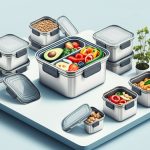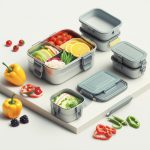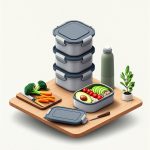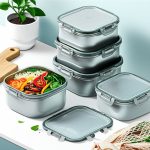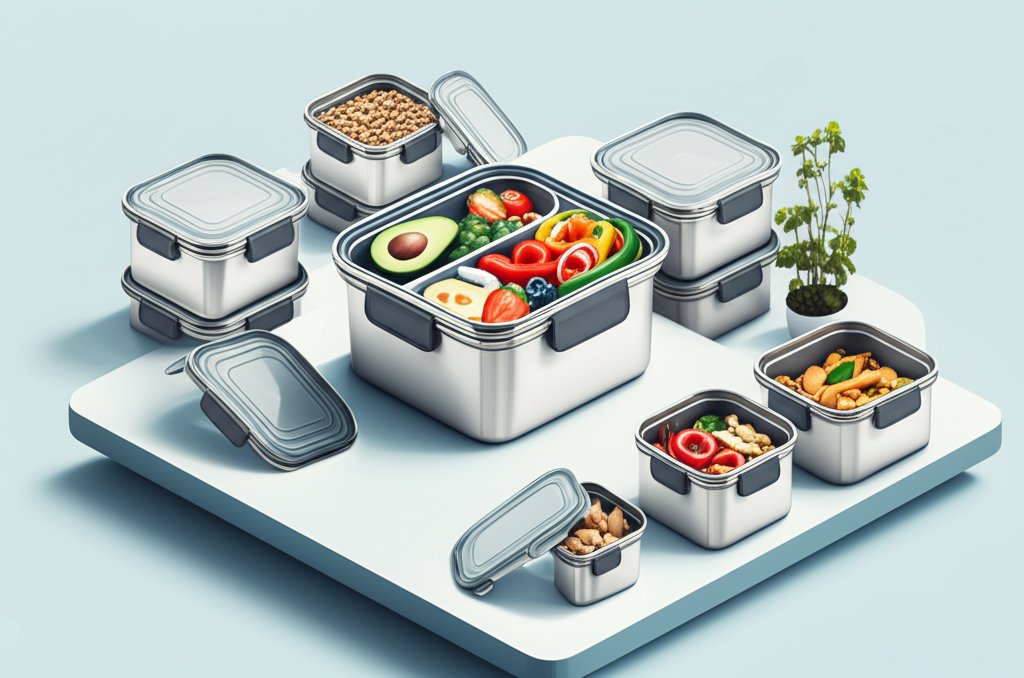
That feeling of opening a cabinet to an avalanche of mismatched plastic lids and stained containers is all too familiar. You just want to pack leftovers or prep a healthy lunch, but instead, you’re faced with clutter that kills your motivation. High-quality stainless food storage changes that dynamic entirely, transforming kitchen chaos into a streamlined system that keeps food fresher and your space beautifully organized. It’s not just about storage; it’s about creating an efficient, calm kitchen environment.
At a Glance: Your Path to an Organized Kitchen
- Why Stainless Steel Excels: Understand the core benefits—durability, non-reactivity, and temperature retention—that make stainless steel a superior choice for food safety and freshness.
- Match the Container to the Task: Learn to select the right type of stainless container for everything from pantry staples and meal prep to packing kids’ lunches and storing leftovers.
- The Art of Stacking & Storing: Discover practical strategies for using nesting and stackable designs to maximize precious cabinet and fridge space.
- Long-Term Care Made Simple: Get clear, actionable tips for cleaning and maintaining your stainless steel containers to ensure they last a lifetime.
- Quick Answers to Common Questions: Find direct answers to frequent concerns about dishwashers, microwaves, and potential staining.
Beyond the Hype: The Real Reasons Stainless Steel Transforms Your Kitchen
When you invest in food storage, you’re looking for more than just a box. You need a reliable tool that protects your food, saves you money by reducing waste, and simplifies your daily routine. Plastic containers often absorb odors and stains, while glass is heavy and prone to chipping. Stainless steel elegantly solves these problems.
Its primary advantage is its non-porous and non-reactive nature. Unlike plastic, stainless steel won’t leach chemicals into your food, nor will it hold onto the ghost of last week’s spaghetti sauce. This means your fresh-cut pineapple will taste like pineapple, not garlic. This inert quality makes it an incredibly safe and clean material for everything from acidic tomato sauces to oily dressings.
Furthermore, its durability is unmatched. A quality set of stainless steel containers can withstand drops, dings, and years of use without warping or cracking. This longevity makes it a sustainable, one-time investment that replaces a constant cycle of buying and discarding cheap plasticware. For a comprehensive look at how different materials stack up, our guide to Stainless containers for fresh meals offers a broader framework for making your choice.
Freshness You Can Actually Taste
The secret to keeping food fresh is controlling air and moisture. Most stainless steel containers come with tight-fitting, often silicone-sealed lids, creating a near-airtight environment.
- Crisp Stays Crisp: A salad prepped in a stainless container on Monday is still vibrant and crunchy on Wednesday. The airtight seal prevents oxygen from wilting delicate greens.
- Moisture Stays In: Leftover roasted chicken or steamed vegetables retain their moisture, preventing them from drying out in the refrigerator’s cold, dry air.
- Odors Stay Contained: That pungent block of blue cheese or leftover salmon won’t permeate your entire fridge, a common issue with ill-fitting plastic lids.
This level of control directly translates to less food waste and more enjoyable meals throughout the week.
A Practical Playbook for Choosing and Using Stainless Containers

Not all stainless containers are created equal. Matching the right design to the right task is the key to unlocking their full organizational potential. Think of your kitchen needs as different zones, each requiring a specific type of container.
For Pantry Perfection: The Canister System
For dry goods like flour, sugar, coffee, and pasta, look for stainless steel canisters with airtight lids and, ideally, a clear window or label-friendly surface.
- Function: Protects contents from pests, moisture, and sunlight, which can degrade quality.
- Pro Tip: Choose canisters with a wide mouth for easy scooping and measuring directly from the container. A uniform set creates a clean, visually appealing pantry that makes it easy to see what you have at a glance.
- Scenario: You replace a hodgepodge of half-empty bags of flour, oats, and rice with a neat row of labeled stainless canisters. Your pantry instantly looks more organized, and you can easily track inventory, preventing you from buying something you already have.
For Meal Prep Dominance: The Modular Set
Meal prepping requires containers that are portion-controlled, stackable, and leakproof. Rectangular or square shapes are your best friends here, as they use fridge space far more efficiently than round containers.
- Function: Allows you to batch-cook meals and stack them neatly in the fridge for grab-and-go access.
- Key Features: Look for silicone-sealed lids that lock on all four sides for a truly leakproof seal. Nesting designs are also a huge plus for saving cabinet space when the containers are not in use.
- Scenario: On Sunday, you prepare five lunches: grilled chicken, quinoa, and roasted broccoli. Each component goes into a compartment of a bento-style stainless container or into separate, small, stackable containers. Your fridge transforms from a chaotic collection of bowls covered in plastic wrap to an orderly library of ready-to-eat meals.
A Quick Guide to Container Types
| Container Type | Best For | Key Feature | Why It Works |
|---|---|---|---|
| Nesting Rounds | Leftovers, dips, snacks | Space-saving storage | When empty, they fit inside one another, occupying the footprint of only the largest container. |
| Stackable Rectangles | Meal prep, pantry, fridge | Maximum space efficiency | No wasted space between containers. Creates stable, block-like stacks in your fridge or cabinet. |
| Bento-Style w/ Dividers | Packed lunches, portion control | Keeping foods separate | Prevents your sandwich from getting soggy from your fruit salad. Perfect for kids and adults alike. |
| Insulated/Thermal | Hot soups, cold yogurt | Temperature retention | A double-wall vacuum design keeps hot food hot and cold food cold for hours, ideal for lunches without a fridge. |
For On-the-Go and Kids’ Lunches: Durability is King
Packing lunches for school or work demands containers that are lightweight, indestructible, and completely leakproof. This is where stainless steel truly shines.
- Function: Provides a safe, durable, and easy-to-clean solution for transporting meals.
- Must-Have Feature: Easy-to-open lids for small hands. Test the latches to ensure a child can open them independently. A bento-style container with built-in dividers is a game-changer, eliminating the need for multiple small containers and plastic bags.
- Scenario: You pack a lunch with yogurt, berries, and a handful of crackers. In a plastic container, the crackers might get soggy. In a stainless bento box, each item stays in its own compartment—crisp, fresh, and ready to eat. Plus, you have peace of mind knowing the container can handle being dropped or jostled in a backpack.
Caring for Your Stainless Food Storage: A Simple Routine for a Lifetime of Use
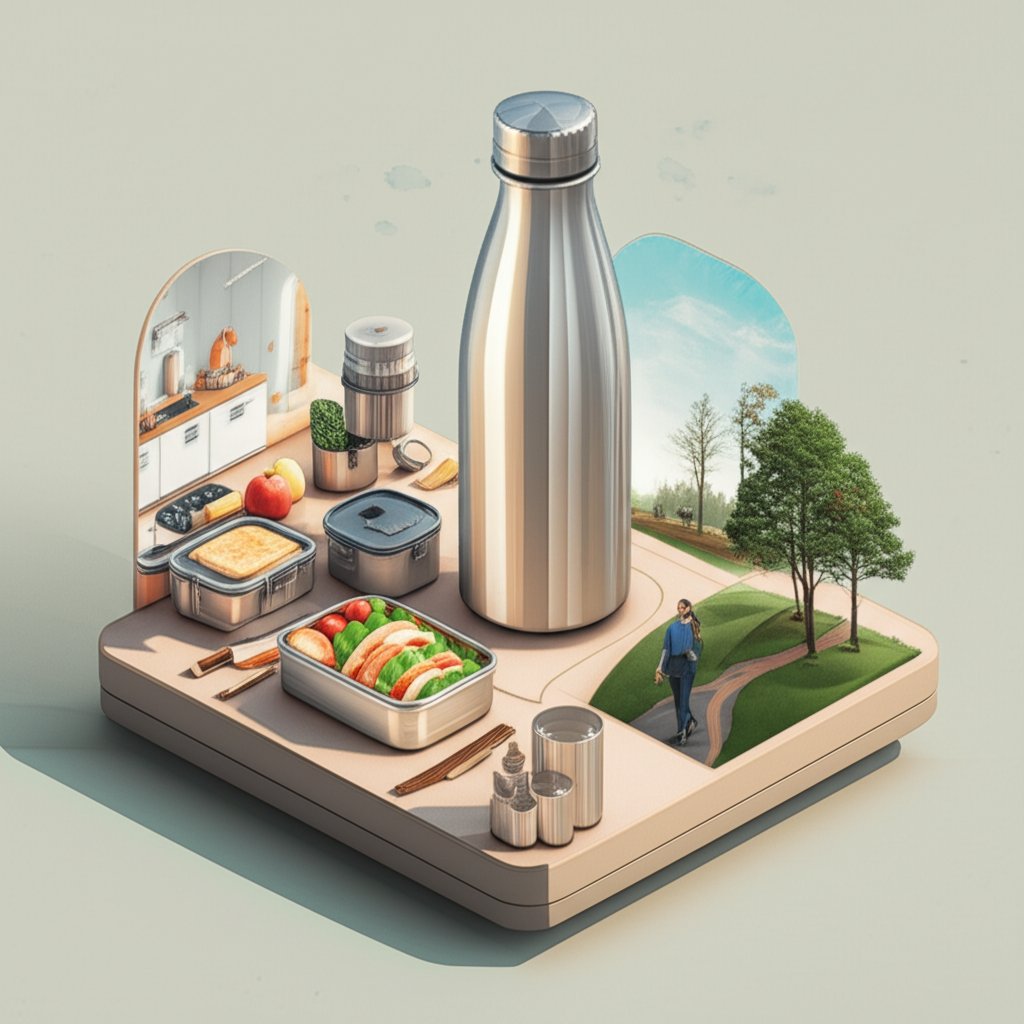
One of the best aspects of stainless food storage is its low-maintenance nature. A few simple practices will keep your containers looking and performing like new for decades.
Cleaning Best Practices
- Dishwasher Safe (Usually): Most high-quality stainless steel bases (like those made from 18/8 or 304-grade steel) are dishwasher safe. However, always place plastic or silicone lids on the top rack to prevent warping from the heating element.
- Hand-Washing: For a quick clean, use warm, soapy water and a non-abrasive sponge or cloth. Avoid steel wool or harsh scouring pads, as they can scratch the surface. While these scratches are only cosmetic, they can dull the finish over time.
- Tackling Stubborn Spots: For any stuck-on food, simply soak the container in warm, soapy water for 10-15 minutes before washing. For tough water spots or discoloration, a paste of baking soda and water or a splash of white vinegar can work wonders. Rub it on, let it sit for a few minutes, and wash as usual.
Storing for Success
The organizational benefits of stainless steel extend to how you store it.
- Nesting: If you have a nesting set, store the smaller containers inside the larger ones. Store the lids separately to allow air to circulate and prevent any musty smells from developing.
- Stacking Lids: One of the best hacks for lid organization is to use a simple plate rack or a file organizer inside your cabinet. Stand the lids up vertically. This prevents the dreaded lid avalanche and makes it easy to find the exact size you need instantly.
Quick Answers: Clearing Up Common Stainless Steel Questions
Navigating the switch to stainless steel can bring up a few questions. Here are direct answers to the most common ones.
Q: Can I put stainless steel food containers in the microwave?
A: No. Never put any metal, including stainless steel, in a microwave. It can cause dangerous arcing and damage your appliance. If you need to reheat food, transfer it to a microwave-safe dish first.
Q: Will stainless steel make my food taste metallic?
A: Not at all. High-quality, food-grade stainless steel (like 18/8 or 304) is non-reactive. This means it doesn’t interact with your food or impart any flavors, which is one of its primary advantages over some plastics and lower-grade metals.
Q: Do stainless steel containers stain or rust?
A: Stainless steel is highly resistant to staining and rust. The name “stainless” comes from this property. While prolonged exposure to highly salty or acidic foods could theoretically cause pitting over many years, with normal use and cleaning, your containers will remain pristine. Rust is extremely rare and usually indicates a lower-quality steel.
Q: Are stainless steel containers heavy?
A: They are heavier than plastic but generally lighter than glass containers of the same volume. This makes them a great middle-ground, offering the durability of glass without the significant weight and risk of shattering.
Your First Step to a More Organized Kitchen
Switching to a coordinated system of stainless food storage is one of the highest-impact changes you can make for a more functional and serene kitchen. It reduces food waste, eliminates clutter, and provides a safe, long-lasting solution for your family’s meals.
Start small. Identify your biggest storage pain point—is it chaotic meal prep, a messy pantry, or wasteful lunch packing? Purchase one or two high-quality containers designed to solve that specific problem. As you experience the benefits of food that stays fresh longer and cabinets that stay organized, you can gradually build out your collection. This simple investment will pay you back every single day in time, money, and peace of mind.

- Stainless Food Storage Keeps Your Kitchen Organized And Meals Fresh - February 28, 2026
- Stainless Steel Food Storage for Healthier, Eco-Friendly Meal Prep - February 27, 2026
- Stainless Food Containers Offer Durable Storage for Everyday Meals - February 26, 2026