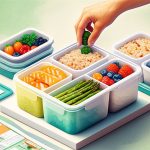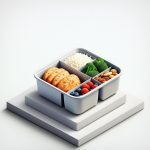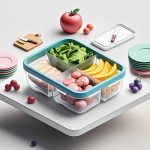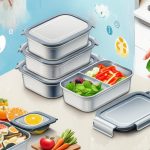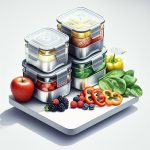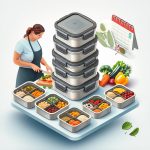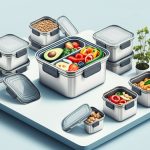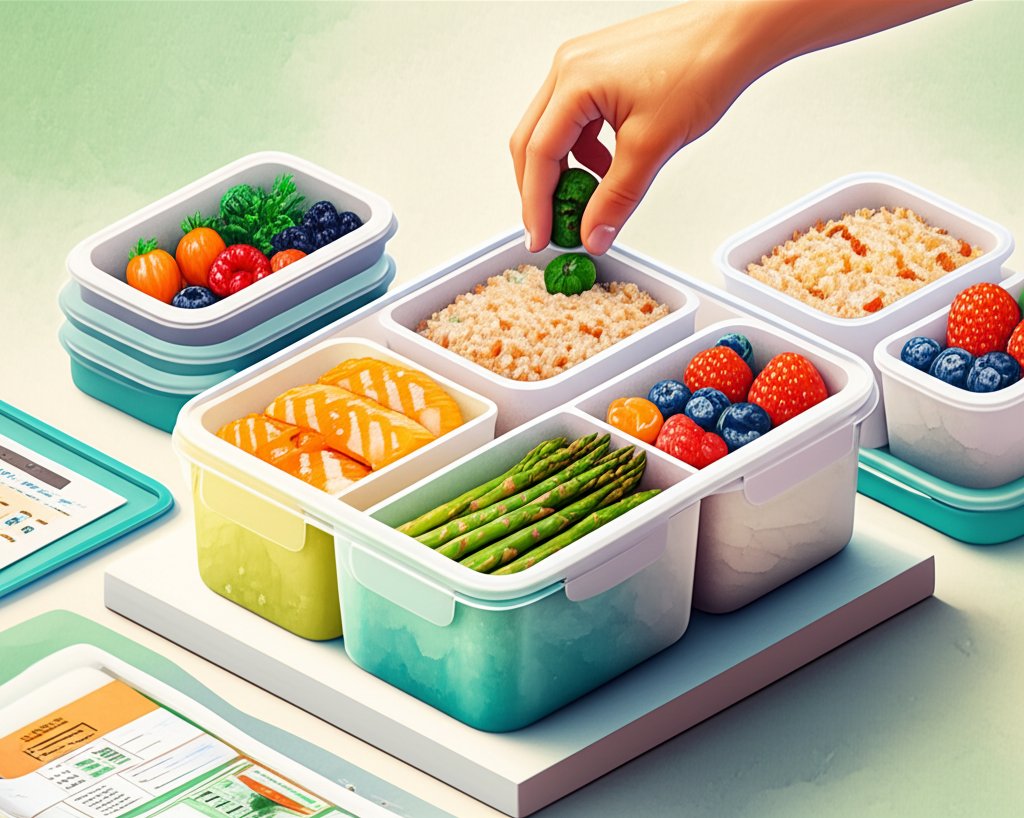
There’s a unique kind of culinary chaos that happens inside a lunch bag. Your carefully prepared salad gets soggy from the dressing, the crackers for your hummus lose their snap, and the fruit slices make everything taste faintly of melon. This is precisely the problem that well-designed sectioned tupperware was created to solve, transforming jumbled messes into perfectly organized, portable meals.
But not all divided containers are created equal. Choosing the right one depends entirely on what you’re trying to accomplish—be it a compact lunch for the office or a sprawling snack platter for a party.
At a Glance: What You’ll Learn
- Choose the Right Tool for the Job: Understand the key differences between compact, on-the-go containers and larger, at-home serving trays.
- Master the Art of Packing: Discover simple strategies to keep wet and dry ingredients separate, preserving texture and flavor.
- Get More from Your Containers: Learn practical, real-world scenarios for both small and large sectioned Tupperware, from toddler snacks to taco bars.
- Care and Maintenance Secrets: Uncover tips to keep your containers stain-free, scratch-resistant, and working perfectly for years.
- Quick Answers: Get clear, direct solutions to common questions about microwave safety, freezer use, and leak prevention.
Why Dividers Are Your Meal Prep Secret Weapon
The genius of a divided container goes far beyond simply keeping foods from touching. It’s a system for culinary control. The internal walls act as guardians of texture and flavor, ensuring your crunchy granola doesn’t turn to mush in your yogurt and your savory chicken doesn’t absorb the taste of your fruit salad.
This principle of strategic separation is fundamental to food enjoyment, both in your personal lunchbox and when you’re hosting a crowd. While we’re focused on mastering personal meals here, the same concepts of separation and presentation are what make for Easy, organized entertaining with dividers at home. For daily use, this means better portion control—the dividers provide a clear, visual cue for balancing proteins, carbs, and veggies.
The Compact Companion: Mastering Your Daily Meal Prep
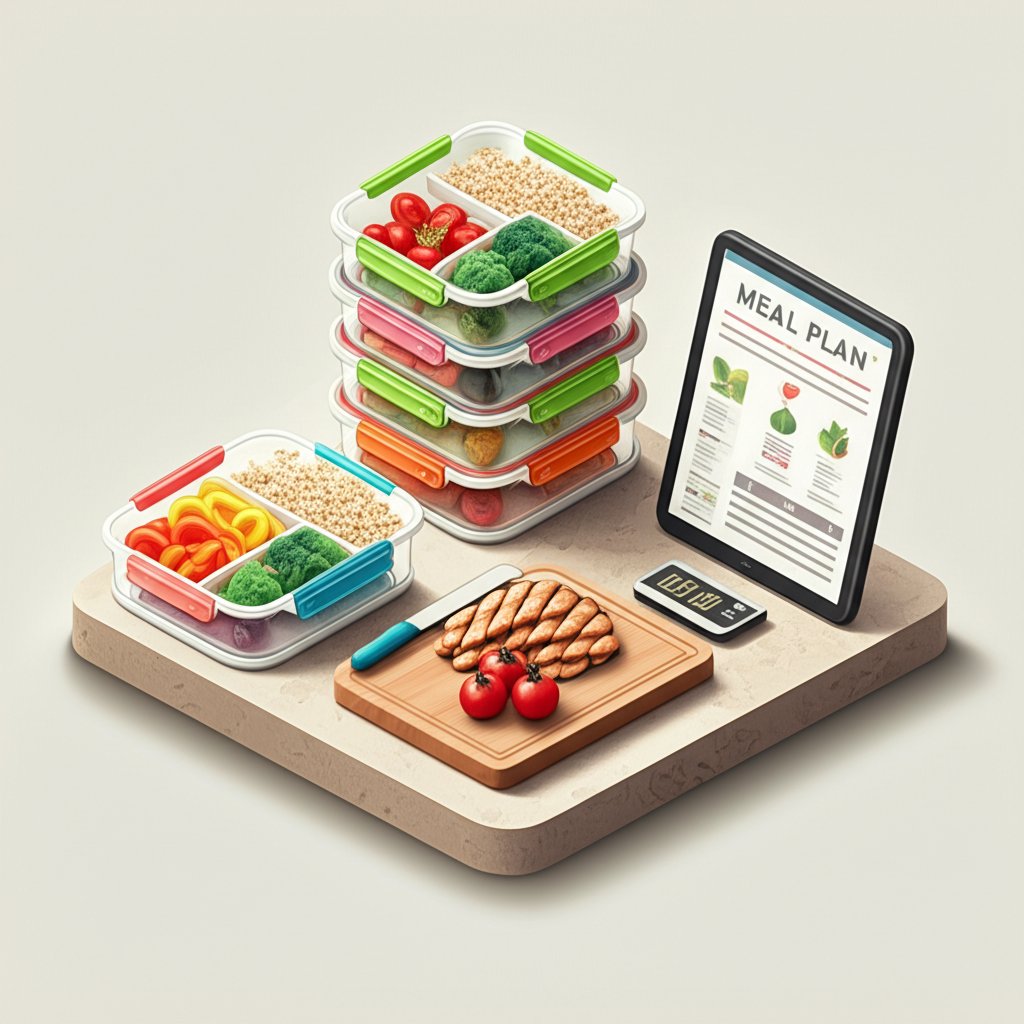
For daily commuters, students, or anyone packing a meal for one, the ideal sectioned container is slim, durable, and utterly reliable. It needs to be compact enough to slip into a backpack or work tote without hogging space, yet robust enough to handle the rigors of daily transport.
This is where a product like the Tupperware® Side-by-Side Set shines. It’s purpose-built for the individual meal on the move.
Anatomy of an On-the-Go Specialist
Let’s break down what makes this type of container so effective:
- Thoughtful Proportions: Each container in the set holds a total of 1 cup (240 mL), neatly split into two compartments. This is ideal for a main and a side—think a scoop of chicken salad and a handful of pretzels, or Greek yogurt and a cluster of berries.
- Slim & Stackable Design: Measuring just over an inch high (1.3″ / 3.2 cm), these containers are exceptionally slim. This low profile means they slide easily into crowded bags and stack neatly in the fridge without creating a leaning tower of leftovers.
- Built for Durability: The design incorporates practical details born from experience. A textured exterior helps mask the inevitable scuffs and scratches of daily use, while a highly polished interior makes it easy to clean and less likely to stain. The airtight, spill-proof lids lock in freshness and prevent dreaded leaks.
Real-World Scenarios: The Side-by-Side in Action
- The Office Power Lunch: You want a healthy, non-soggy lunch. In one section, place your mixed greens and grilled chicken. In the other, pack your crunchy toppings like croutons, seeds, or crispy chickpeas. Add dressing right before you eat for a perfect salad.
- The Post-Gym Refuel: Portion control is key after a workout. Fill one side with a scoop of cottage cheese or Greek yogurt for protein. Use the other for a measured portion of fruit or a small handful of almonds for healthy fats and energy.
- The Toddler Snack Pack: Keep your child’s snacks separate and appealing. In one compartment, place cheese cubes or apple slices. In the other, put Goldfish crackers or mini rice cakes. The separation prevents everything from becoming a single, unappetizing clump.
From Potluck to Patio: The Art of Communal Serving
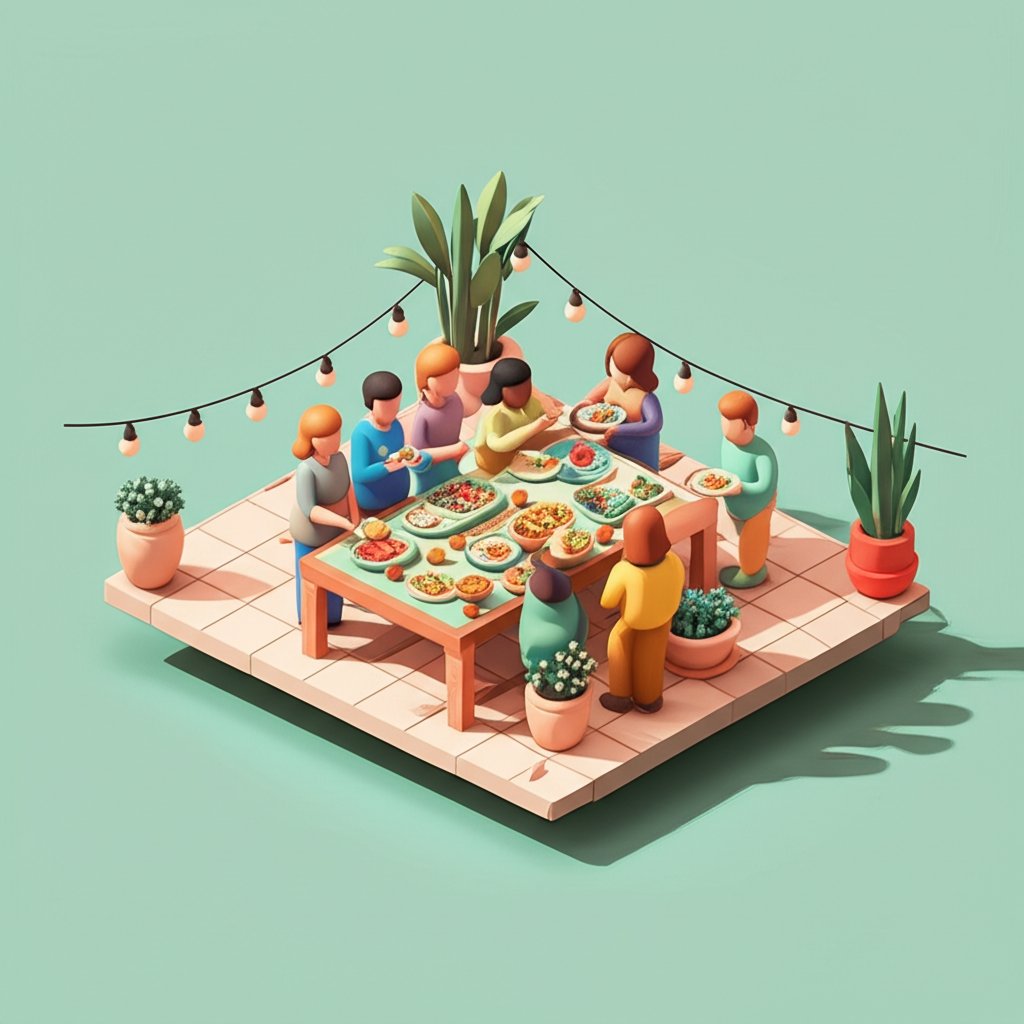
When your audience is a group instead of just yourself, your needs change dramatically. You’re no longer thinking about portability in a backpack, but about presentation, capacity, and versatility for a crowd. This is the domain of large, multi-compartment serving trays.
A prime example is the Serving Center® Set, a classic piece of sectioned Tupperware designed for social gatherings.
Anatomy of a Party-Ready Server
This type of container is less about transport and more about creating an organized, self-serve experience.
- Generous Capacity: It features six compartments, each holding 2 cups (500 mL), surrounding a removable central dip bowl that holds 14 oz. (400 mL). This allows you to offer a wide variety of items in a single, elegant container.
- Multi-Function Cover: The domed cover does more than just protect the food. You can flip it over and fill it with ice, then place the main tray on top to keep veggies, dips, and seafood chilled during a long party. It can also be used as a separate serving tray for bread or crackers.
- Material Nuances Matter: Understanding the materials is crucial for proper care. The dip bowl is made from a material safe for gentle microwave reheating (max 600 watts)—perfect for warming up a queso or spinach dip. However, the larger tray and cover are not microwave-safe. The entire set is dishwasher-safe, but not designed for freezer storage, as the materials can become brittle at low temperatures.
Real-World Scenarios: The Serving Center® in Action
- The Ultimate Taco Bar: Deconstruct your taco night. Fill the compartments with seasoned ground beef (kept warm in a separate dish), shredded lettuce, diced tomatoes, shredded cheese, jalapeños, and onions. The central bowl is perfect for sour cream or guacamole.
- The Ice Cream Sundae Station: A huge hit with kids and adults. Fill the sections with toppings like chocolate chips, sprinkles, gummy bears, crushed cookies, nuts, and cherries. The main event—the ice cream—can be scooped nearby.
- The Mediterranean Mezze Platter: Create a beautiful and healthy spread. Arrange hummus in the center bowl, then fill the surrounding compartments with pita triangles, cucumber slices, cherry tomatoes, Kalamata olives, feta cheese cubes, and dolmades (stuffed grape leaves).
Quick Comparison: Which Style Do You Need?
| Feature | Tupperware® Side-by-Side Set | Serving Center® Set |
|---|---|---|
| Primary Use | Personal meals, snacks on the go | Group serving, parties, buffets |
| Total Capacity | 1 cup / 240 mL per container | ~12 cups + 14 oz. dip bowl |
| Compartments | 2 per container | 6 main + 1 central bowl |
| Key Feature | Slim, compact, leak-proof lids | Domed cover doubles as a chiller |
| Microwave Safe | Yes | Only the removable dip bowl |
| Freezer Safe | Yes (check specific product line) | No |
| Best For | Office lunches, portion control, gym snacks | Taco bars, veggie trays, condiment stations |
Your Sectioned Tupperware Playbook: Pro Tips for Packing and Care
Owning the right container is only half the battle. Using it smartly will elevate your meal prep game and extend the life of your products.
1. Pack for Peak Freshness
- Respect the Wet/Dry Divide: This is the golden rule. Always place wet ingredients (dips, dressings, saucy items) in one compartment and dry, crunchy items (crackers, chips, croutons) in another.
- Cool Before You Seal: Placing hot food directly into an airtight container and sealing it creates condensation. This steam turns into water, which can make food soggy. Let leftovers cool on the counter for 15-20 minutes before sealing and refrigerating.
- Use the Smallest Section for Liquids: If you’re packing a vinaigrette or a thick sauce, use the smallest available compartment to contain it and minimize potential sloshing.
2. Clean and Maintain for Longevity
- Tackle Stains Immediately: Foods with strong pigments like tomato sauce, curry, or turmeric can stain plastic. Rinsing the container immediately after use is the best prevention. For stubborn stains, a paste of baking soda and water can often help.
- Top Rack in the Dishwasher: While most modern Tupperware is dishwasher-safe, the high heat of the bottom rack’s drying element can cause warping over time. Always place containers and lids on the top rack for gentler cleaning.
- Hand-Wash for a Perfect Seal: The silicone gaskets or precision-molded edges of lids are what create the airtight seal. To ensure no food particles get trapped, occasionally give the lids a dedicated hand-washing, paying special attention to the grooves.
3. Stack and Store with a System
- Nest When Possible: Store bases nested inside each other to save cabinet space.
- Keep Lids and Bases Together: The biggest frustration is the “lid avalanche.” Designate one drawer or bin for your containers. Store them with their corresponding lids either snapped on loosely or filed vertically right next to the bases. This saves you from hunting for a match every morning.
Quick Answers to Common Questions
Here are straightforward answers to the most frequent questions about using sectioned tupperware.
Q: Is all sectioned Tupperware microwave-safe?
A: No, and it’s critical to check. Look for the microwave-safe symbol (often wavy lines) on the bottom of the container. As seen with the Serving Center®, some parts of a set may be safe (the dip bowl) while others are not (the tray and lid). When in doubt, don’t microwave it.
Q: Can I put my divided containers in the freezer?
A: It depends entirely on the specific product line. Some Tupperware is designed for the freezer, while others, like the Serving Center®, are not and can become brittle and crack. Always check the bottom of the container for the freezer-safe symbol (usually a snowflake).
Q: How do I prevent liquids from leaking between sections?
A: High-quality sectioned containers have lids engineered to press down firmly on the internal dividers, creating a seal. This works very well for thick items like yogurt, hummus, or applesauce. However, for very thin, watery liquids like a clear soup or a thin vinaigrette, a truly violent shake might cause minor seepage. For best results, keep the container upright.
Q: Are these containers really 100% leak-proof for carrying in a bag?
A: Reputable brands known for their seal technology, like Tupperware®, design their on-the-go products with spill-proof and airtight seals. The key is ensuring the lid is closed properly on all sides. You should hear a distinct click or feel a solid snap as it seals. A correctly sealed, high-quality container can be trusted in your bag.
Start with the Right Sections for Your Life
Ultimately, choosing the right sectioned tupperware is about honestly assessing your primary need. Are you solving for the daily grind of packed lunches and organized snacks, or are you looking to streamline how you serve food to friends and family?
Your Quick-Start Decision Guide
- If your goal is… daily portion control, fresh work lunches, and organized snacks for you or your kids,
- Then start with… a compact, durable, and leak-proof set with two or three compartments, like the Side-by-Side Set.
- If your goal is… hosting gatherings, creating self-serve food bars (tacos, salads, sundaes), or presenting appetizers beautifully,
- Then look for… a large, multi-compartment serving tray with features like a dip bowl and a functional cover, like the Serving Center® Set.
By matching the container’s design to your lifestyle, you move beyond simple food storage and into a world of intentional, organized, and more enjoyable eating—whether at your desk or around your patio table.

- Sectioned Tupperware for Organized Meals and Snacks on the Go - March 7, 2026
- Meal Containers with Dividers Keep Foods Separate and Fresh - March 6, 2026
- Tupperware with Dividers Makes Entertaining Easy and Organized - March 5, 2026