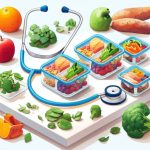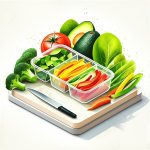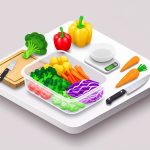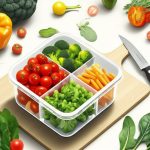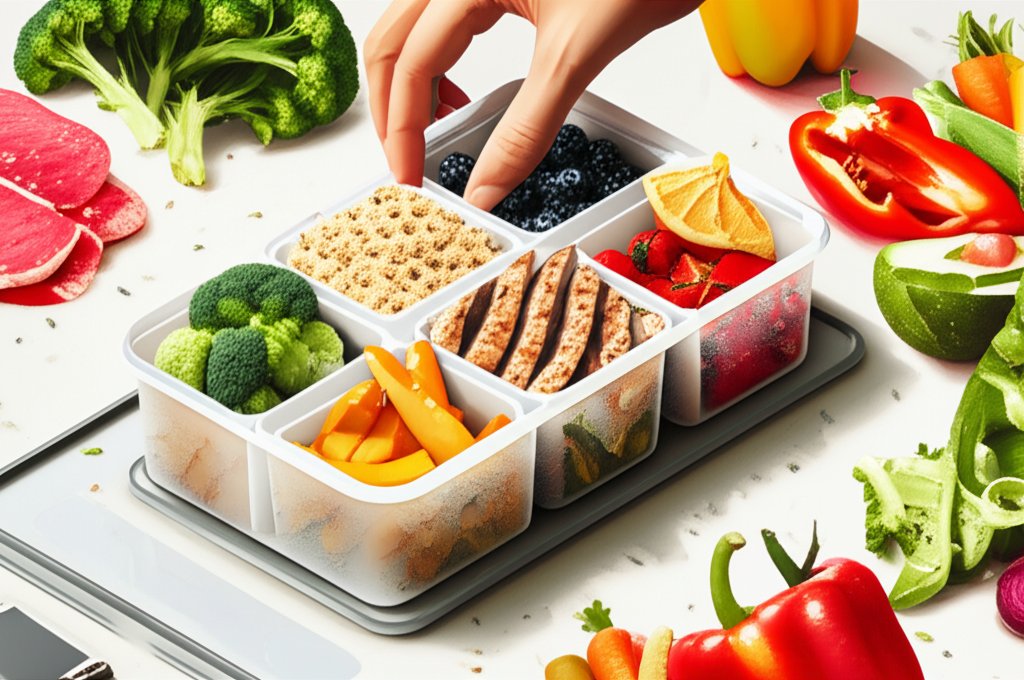
That moment of lunchtime disappointment is all too common. You open your container to find your perfectly crisp salad greens have wilted under the weight of your chicken, and your crunchy croutons are now sad, soggy bread cubes. This is precisely the problem that high-quality sectioned food containers were designed to solve. They aren’t just a tidier way to pack a lunch; they are a strategic tool for preserving the texture, flavor, and integrity of every meal you prepare.
By separating components, you take back control. You ensure that wet ingredients can’t ruin dry ones and that distinct flavors don’t bleed into a single, uninspired taste. This simple division is the key to elevating your meal prep from a mere convenience to a genuinely enjoyable culinary experience.
At a Glance: Your Key Takeaways
- Preserve Food Integrity: Learn why separating food is crucial for maintaining texture and flavor, preventing the dreaded “soggy lunch.”
- Master Portion Control: Discover how compartments act as visual guides, making it effortless to build balanced, healthy meals.
- Match Material to Your Lifestyle: Get a clear breakdown of glass, plastic, and stainless steel to choose the perfect container for your daily routine.
- Identify Non-Negotiable Features: Understand why leak-proof seals, smart compartment layouts, and stackability are more important than the dividers themselves.
- Build a Better Meal: Follow a simple, step-by-step playbook for packing sectioned containers efficiently.
Compartments Do More Than Just Separate—They Preserve
The primary failure of most meal prep is a loss of textural integrity. A single-compartment container essentially forces all your ingredients into a confined space where moisture inevitably migrates. The juices from your grilled chicken seep into your roasted sweet potatoes. The dressing from your pasta salad turns your side of crackers to mush.
Sectioned food containers prevent this by creating intentional barriers. This concept, known as “component integrity,” means each part of your meal remains as the chef (you!) intended until you’re ready to combine them.
Think of it like a deconstructed meal at a restaurant. The chef serves the sauce on the side so the crispy element stays crispy. A sectioned container allows you to be that chef for your future self. It’s a fundamental shift in approach that allows you to prepare a wider variety of meals with confidence. While basic containers are a starting point, to truly level up your meal prep, you need the right tools. When used correctly, you can Unlock meal prep’s secret weapon and transform your weekly routine.
The Unsung Hero: Built-In Portion Control
Beyond preserving food quality, the dividers in sectioned food containers offer a powerful, almost subconscious benefit: automatic portion control. Instead of guessing how much to scoop onto a plate, the compartments provide a clear visual framework.
This makes building a balanced meal incredibly intuitive. Nutritionists often advise filling half your plate with non-starchy vegetables, a quarter with lean protein, and a quarter with complex carbohydrates or healthy fats. A three-compartment container naturally guides you to do just that:
- Largest Compartment: Perfect for your vegetable base—a large salad, roasted broccoli, or sautéed spinach.
- Medium Compartment: Ideally sized for your protein source, like 4-6 ounces of grilled fish, tofu, or a scoop of chickpeas.
- Smallest Compartment: Excellent for an energy-dense carbohydrate like quinoa or a healthy fat source like sliced avocado and nuts.
This visual guide removes the guesswork and mental effort, helping you build healthy eating habits without needing to meticulously weigh every single ingredient.
Glass vs. Plastic vs. Stainless Steel: What’s Right for Your Routine?
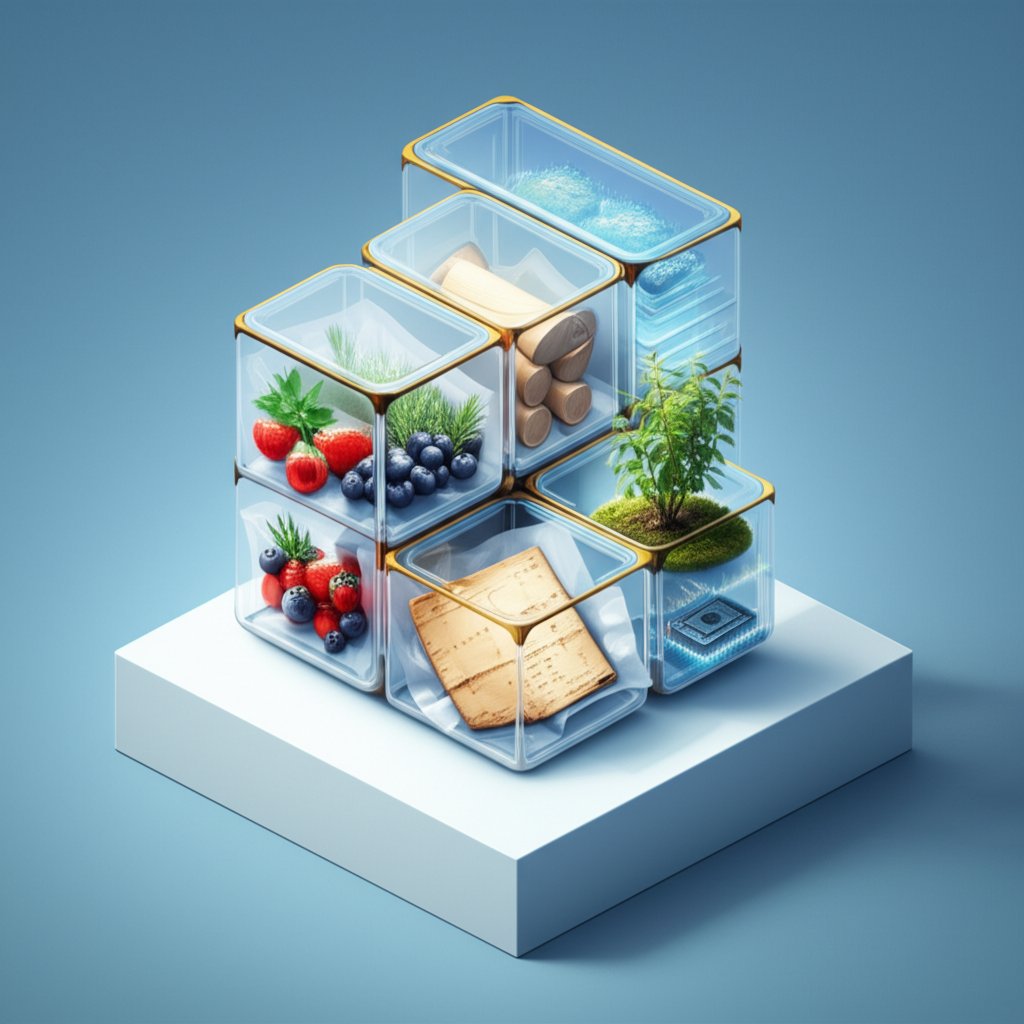
The material of your container is as important as the number of sections it has. Your choice directly impacts convenience, durability, and how you can heat your food. There is no single “best” material—only what’s best for your specific needs.
| Material | Best For | Pros | Cons |
|---|---|---|---|
| Glass | Home-office lunches, reheating in ovens, avoiding plastic. | Won’t stain or absorb odors; Oven, microwave, & dishwasher safe; Feels premium. | Heavy; Can chip or break; Often more expensive. |
| BPA-Free Plastic | Commuting, kids’ lunches, budget-conscious meal preppers. | Lightweight & durable; Very affordable; Highly stackable. | Can stain (e.g., tomato sauce); Can absorb strong odors; Not oven-safe. |
| Stainless Steel | Cold meals (salads, sandwiches), travel, durability. | Virtually indestructible; Lightweight; Won’t stain or absorb odors. | Not microwave-safe; Can be expensive. |
A Few Real-World Scenarios:
- The Office Worker (Team Glass): Sarah works in an office and prefers to heat her lunch in the microwave or toaster oven for a “just-cooked” taste. She chooses borosilicate glass sectioned food containers like those from Prep Naturals. The weight isn’t an issue since she drives to work, and she loves that they never stain, even with her weekly chili.
- The Daily Commuter (Team Plastic): Mark takes the train to work and carries his lunch in a backpack. He needs something light and durable. He opts for a set of Enther 3-compartment plastic containers. They’re light enough not to weigh him down and durable enough to handle being jostled during his commute.
- The “No-Microwave” Adventurer (Team Steel): Chloe is a landscape designer who often eats lunch on-site. Without access to a microwave, she packs vibrant, fresh salads and deconstructed bento-style meals. A stainless steel bento box is her perfect companion. It keeps her food cold, is incredibly easy to clean, and is tough enough to be tossed in her work bag.
It’s Not Just About the Dividers: Essential Features to Demand
A great sectioned container is a sum of its parts. The dividers are the main feature, but a few other details separate a high-performance container from a frustrating one.
Leak-Proof Seals: The Non-Negotiable Feature
There is a huge difference between “leak-resistant” and truly “leak-proof.” A genuinely leak-proof seal will almost always involve two components: a flexible silicone gasket fitted inside the lid and four sturdy, locking clasps.
This combination creates an airtight seal that prevents liquids—like dressings, sauces, or juices—from seeping out of the container or between compartments. Before you buy, inspect the lid. If it just ‘snaps’ on without a visible gasket and robust clips, it’s not designed for anything with moisture.
Compartment Configuration: How Many Sections Do You Really Need?
More isn’t always better. The layout of your sectioned food containers should match the types of meals you eat.
- Two Compartments: Ideal for simple “main and side” pairings. Think chicken and broccoli, salmon and asparagus, or a curry with a separate portion of rice.
- Three Compartments: The undisputed champion of balanced meal prep. This layout perfectly aligns with the protein-carb-vegetable model, making it the most versatile option for most people.
- Four+ Compartments (Bento Style): Best for snack boxes or meals with many small, separate components. Think of a Ploughman’s lunch with cheese, crackers, pickles, and fruit, or a kid’s lunch with nuggets, apple slices, yogurt, and carrots.
Stackability and Storage: The Kitchen Organization Factor
This is a practical detail that has a massive impact on your sanity. A set of identical, stackable containers is a game-changer for fridge and cabinet organization. They create neat, stable towers in your refrigerator, maximizing space and making it easy to grab your meal for the day. When empty, they should nest inside one another to save precious cupboard real estate.
A Practical Playbook for Sectioned Meal Prep
Once you have your containers, it’s time to put them to work. Follow these steps to build better meals and avoid common pitfalls.
Building Your Meal: A Step-by-Step Guide
- The Anchor (Largest Compartment): Start with your non-starchy vegetables. This could be a bed of spinach, a pile of roasted broccoli and cauliflower, or a mix of steamed green beans and bell peppers. This should fill about 40-50% of the container’s volume.
- The Fuel (Medium Compartment): Add your lean protein. This is where your grilled chicken breast, baked salmon fillet, hard-boiled eggs, or portion of lentils goes.
- The Accent (Smallest Compartment): Use this for your complex carbs and healthy fats. A scoop of quinoa, a small baked sweet potato, a handful of almonds, or a container of hummus fits perfectly here. Keep dressings and sauces in a separate mini-container, even if it’s placed inside this section.
Pro Tips for Preventing a Meal Prep Fail
- Cool Food Completely: This is the golden rule. Sealing hot food creates steam, which turns into condensation. That condensation will make everything soggy. Let all cooked components cool to room temperature before lidding and refrigerating.
- Isolate the Sauce: Never add dressing to a salad or sauce to a main until you’re ready to eat. Many bento-style containers, like the Bentgo Fresh, come with a dedicated, leak-proof sauce pot.
- Consider Reheating Logic: When packing, think about what needs to be heated. Don’t put a fresh, crisp salad in a compartment next to chili you need to microwave. If your container has a removable divider, you can pop it out before heating for maximum flexibility.
Your Sectioned Food Container Questions, Answered
Q: Are glass sectioned food containers really better than plastic?
A: “Better” is subjective and depends entirely on your priorities. Glass is superior for purity, taste (it never absorbs flavors), and reheating versatility since it can go in the oven. However, BPA-free plastic is significantly lighter, less prone to breaking, and often more affordable, making it the better choice for anyone commuting or packing lunches for kids.
Q: How do I get stubborn tomato sauce stains out of my plastic container?
A: The most effective, natural method is sunlight. After washing, place the stained plastic container in direct sunlight for several hours; the UV rays will break down the stain. For a quicker fix, a paste made from baking soda and water left to sit for an hour before scrubbing can also lift the discoloration.
Q: Can I freeze meals in sectioned containers?
A: Yes, absolutely! This is a great way to prep for the long term. Just ensure your container is freezer-safe. Borosilicate glass is excellent as it’s designed to withstand extreme temperature changes. If using plastic, check that the manufacturer explicitly states it is freezer-safe to prevent the material from becoming brittle and cracking.
Q: My “leak-proof” container still leaks. What am I doing wrong?
A: First, check the silicone gasket in the lid. Is it properly seated in its groove? Is it perfectly clean? A single grain of rice or fleck of parsley can compromise the seal. Second, make sure all locking tabs are fully clicked into place. Finally, avoid overfilling the compartments, as this can prevent the lid from sealing flush against the container’s edge.
Ready to Commit? Here’s How to Choose Your First Set
Feeling ready to upgrade? Use this simple guide to pick the right starting point for your meal prep journey.
- If you primarily eat at a desk (at home or the office) and value easy, even reheating…
- Your Best Bet: A 3-compartment glass set.
- If you commute, pack for kids, or need something lightweight, durable, and budget-friendly…
- Your Best Bet: A high-quality, BPA-free 3-compartment plastic set.
- If you mostly pack cold lunches (like big salads or bento boxes) and want a long-term, indestructible investment…
- Your Best Bet: A stainless steel bento-style box.
My Expert Recommendation: No matter the material, start with a set of at least five identical, stackable containers. This covers a standard work week, streamlines your packing process, and creates a beautifully organized fridge that will motivate you to stick with your meal prep goals.
Upgrade Your Prep, Upgrade Your Week
Ultimately, sectioned food containers are about respecting the food you took the time to prepare. They are the difference between a sad, homogenous lunch and a vibrant, textured meal that you actually look forward to eating.
They empower you to control portions, maintain quality, and bring variety back to your weekly menu. Stop settling for mediocre, soggy lunches. Invest in a system that works, and discover how simple—and delicious—your meal prep can truly be.

- Nurse Meal Prep for Busy Shifts Offers Quick Healthy and Easy Ideas - March 28, 2026
- Best Meal Prep Vegetables that Keep Well All Week - March 27, 2026
- Good Meal Prep Veggies That Stay Fresh All Week - March 26, 2026