Searching for a “salt food delivery” service can feel like a paradox. You need the convenience of prepared meals or meal kits, but you can’t afford the hidden sodium that often comes with them. It’s a frustrating cycle of scanning nutrition labels and feeling like your health goals are at odds with your busy life.
But getting flavorful, convenient, and genuinely low-sodium meals delivered is not only possible—it’s a game-changer for managing heart health, blood pressure, or kidney conditions. The key is knowing exactly what to look for and which services are built to support your needs, not just market to them.
At a Glance: Your Guide to Low-Sodium Meal Delivery
- Decode the Lingo: Understand the critical difference between a “Sodium Smart” meal (often under 700-800 mg) and a truly “Low Sodium” meal designed for medical diets (under 600 mg, sometimes much less).
- Match the Service to Your Needs: Discover which services cater specifically to heart health, strict cardiac diets, or complex renal requirements that also restrict potassium and phosphorus.
- Meal Kits vs. Prepared Meals: Learn which format gives you more control over salt and which offers the peace of mind of guaranteed sodium levels.
- Vetting Checklist: Get a simple, 4-step framework to evaluate any meal delivery service before you commit, saving you time and money.
- Find Hidden Gems: Identify services like Epicured or Trifecta that offer exceptionally low sodium counts, even if it’s not their primary marketing message.
What “Low Sodium” Really Means on a Menu
Before diving into specific services, it’s crucial to understand the numbers. When your doctor recommends a low-sodium diet, they’re often referring to the American Heart Association’s guideline of 1,500 mg of sodium per day for individuals with high blood pressure or other heart disease risk factors. The standard recommendation for healthy adults is 2,300 mg.
To stick to a 1,500 mg daily limit, each of your three meals should average around 500 mg of sodium. This is where the marketing language of many meal services can be misleading.
- “Sodium-Conscious” or “Sodium Smart”: These terms usually mean the meal is lower in sodium than a standard American meal, but it might still contain 600 mg to 800 mg of sodium. For someone on a 2,300 mg diet, this is fine. For someone on a 1,500 mg diet, one of these meals can consume over half their daily allowance.
- “Low Sodium”: This is a more regulated term. Medically-focused services use this to signify meals that are genuinely low, often containing between 300 mg and 600 mg of sodium.
Navigating these differences is the first step toward finding a service that truly supports your health. For a full breakdown of services rated specifically for cardiac wellness, you can Compare heart-healthy meal delivery in our main guide.
Meal Kits vs. Prepared Meals: Which Gives You More Sodium Control?

Your first major decision is choosing between a meal kit (where you cook using pre-portioned ingredients) and a prepared meal service (heat-and-eat). Each has distinct advantages and disadvantages for managing salt intake.
The Meal Kit Advantage: You Control the Salt Shaker
With a meal kit, you have the final say on what goes into the dish. Services like Green Chef offer a “Sodium Smart” preference, featuring meals with fewer than 600 mg of sodium per serving.
- The Pro: You can simply omit or reduce the salt called for in the recipe card. Even more importantly, you can control how much of a high-sodium sauce, glaze, or spice blend you add.
- The Con: The burden is on you. You must remain vigilant. A seemingly innocent teriyaki glaze or seasoning packet can be loaded with sodium. If you’re not careful, a “healthy” meal can quickly exceed your limits.
Real-World Example: A Green Chef user making a salmon dish with a soy-miso glaze noticed the sauce packet alone contained 350 mg of sodium. By using only half the packet and adding a squeeze of fresh lemon juice for flavor, they easily brought the meal’s total sodium well below the 600 mg target.
The Prepared Meal Promise: Guaranteed Sodium Levels
Prepared meal services offer the ultimate convenience and, for those on strict medical diets, peace of mind. Companies like BistroMD, Mom’s Meals, and Magic Kitchen design their meals with specific sodium thresholds that are clearly labeled and guaranteed.
- The Pro: There is zero guesswork. If the label on a BistroMD “Heart Healthy” meal says 480 mg of sodium, that’s what you get. This is essential for managing conditions like congestive heart failure or kidney disease where every milligram counts.
- The Con: You lose control. If a meal tastes bland to you, you can’t just “fix” it with your own salty additions. You have to rely on salt-free seasonings, herbs, or hot sauce to enhance flavor.
Real-World Example: A patient managing kidney disease uses Magic Kitchen’s renal-friendly menu. They know every meal is not only low in sodium (under 700 mg) but also controlled for potassium and phosphorus—a complex trifecta that would be nearly impossible to manage with a standard meal kit.
Not All Low-Sodium Diets Are the Same: Find Your Fit
A “salt food delivery” plan for general wellness is very different from one designed for a specific medical condition. Here’s how to match a service to your precise needs.
For General Heart Health & Blood Pressure Management
(Target: <600-800 mg sodium per meal)
If your goal is to follow a heart-healthy diet without a strict medical limit, you have more flexibility. You need meals that are flavorful and satisfying to ensure you stick with it long-term.
- Top Choices: BistroMD (Heart Healthy plan), CookUnity, Mom’s Meals (Heart-Friendly plan).
- Why They Work: These services explicitly cap sodium in their heart-health plans (typically under 600 mg for BistroMD and 800 mg for Mom’s Meals). They focus on balanced nutrition and good flavor, making them sustainable choices.
For Strict Medical Diets (e.g., CHF, <1,500 mg/day)
(Target: <200-500 mg sodium per meal)
When your daily sodium limit is 1,500 mg or less, every meal has to be significantly low in sodium. This requires a service where low sodium is the default, not an afterthought.
- Top Choices: Epicured, Sprinly, Trifecta Nutrition.
- Why They Work: These services are exceptionally low in sodium. Epicured is a standout, with all meals under 500 mg and a filter to find options under 140 mg. Sprinly’s vegan meals are naturally low (200-500 mg), and Trifecta Nutrition averages 300-500 mg per meal.
For Kidney Disease (Renal & Dialysis Diets)
(Target: Controlled sodium, potassium, and phosphorus)
This is the most complex dietary need. A standard low-sodium meal won’t work because potassium and phosphorus must also be restricted. You must choose a service designed for renal health.
- Top Choices: Magic Kitchen (Renal and Dialysis-Friendly menus), Mom’s Meals (Renal-Friendly plan).
- Why They Work: They are the few services that formulate and test their meals specifically for the nutritional requirements of patients with stage 3-4 kidney disease. They do the hard work of balancing all three critical minerals.
Your 4-Step Checklist Before You Subscribe
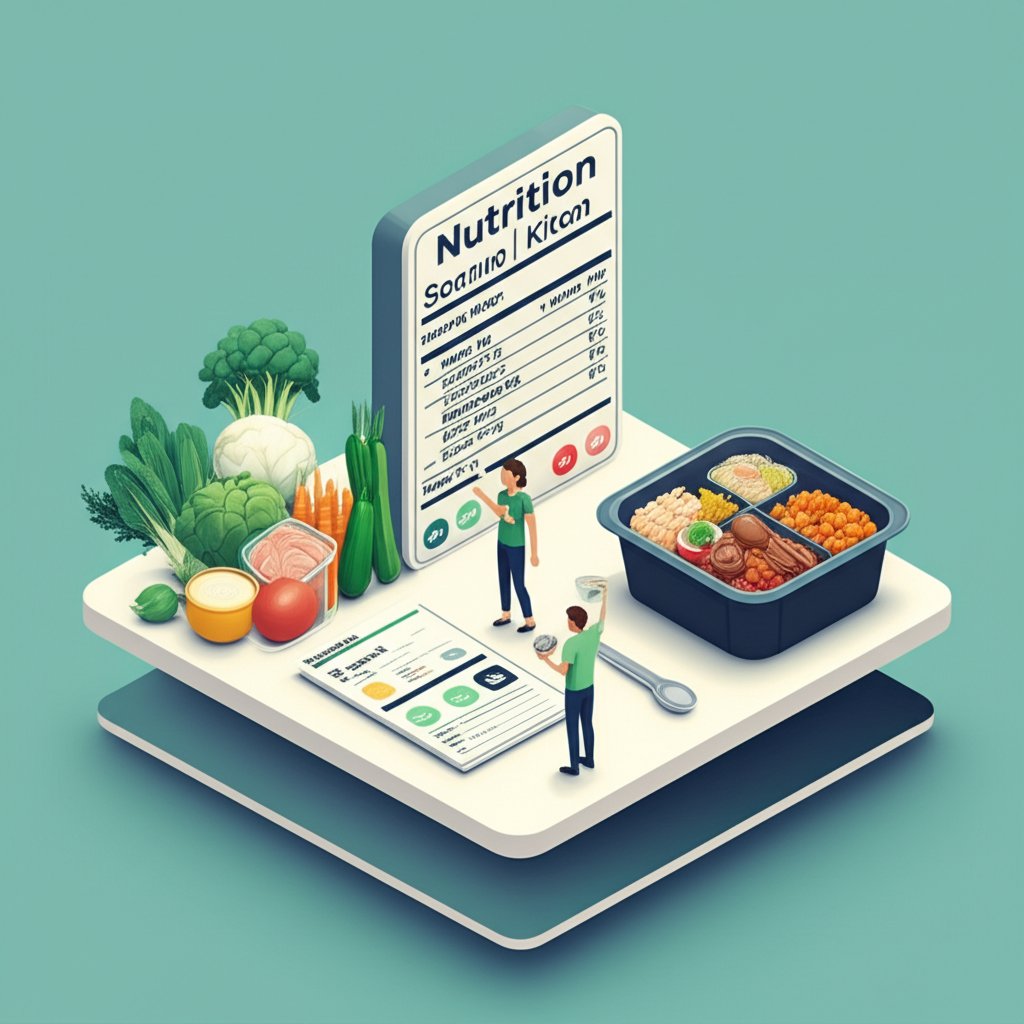
Don’t be swayed by marketing claims. Use this practical playbook to vet any salt food delivery service yourself.
- Find the Filter (or Lack Thereof). A great low-sodium service makes it easy to find what you need. Veestro has an excellent website function that allows you to filter meals by specific sodium ranges. In contrast, services like Hungryroot lack a low-sodium filter, forcing you to click on every recipe to check its nutritional info—a major red flag for anyone serious about sodium tracking.
- Scrutinize 5 Sample Meals. Don’t just look at the one meal they advertise on the front page. Go into the current week’s menu and check the nutrition facts for at least five meals that appeal to you. This will give you a realistic idea of the average sodium content. You might find that a service like Sunbasket has some meals around 700 mg, but many others are closer to 900 mg, making it a poor fit for a strict diet.
- Account for Your Entire Day. A 500 mg prepared lunch from Splendid Spoon is fantastic. But what will you eat for breakfast and dinner? Ensure the service either provides options for a full day of eating within your budget or that you have a solid plan for your other meals.
- Read Reviews Specifically for Flavor. The biggest fear with low-sodium food is that it will be tasteless. See what other customers say. Do they mention the creative use of herbs, spices, and citrus? Or do they complain that meals are bland? For example, reviews for Magic Kitchen sometimes note that adding your own salt-free spices is a good idea, which is helpful information to have upfront.
Frequently Asked Questions About Low-Sodium Meal Delivery
Q: Can I use a popular service like HelloFresh or Factor for a low-sodium diet?
A: It’s very difficult. Neither service offers a low-sodium plan or filter. With HelloFresh, you have to manually vet every single recipe, and while some may be as low as 350 mg of sodium, many are well over 1,000 mg. Factor meals are generally too high in sodium (most are 700-1,000 mg) to be suitable for a salt-restricted diet.
Q: Are vegan meal services automatically low in sodium?
A: Not always. While plant-based diets centered on whole foods are naturally low in sodium, many vegan products rely on salt for flavor and preservation. A service like Sprinly, which uses fresh, organic vegetables, is an excellent low-sodium choice. However, always check the nutrition labels, as some vegan services may use salty sauces or processed meat alternatives.
Q: How do these services add flavor without salt?
A: The best services employ smart culinary techniques. They build flavor through layers of aromatics (garlic, onion, celery), acids (lemon juice, high-quality vinegars), herbs (basil, cilantro, rosemary), and umami-rich ingredients like mushrooms and tomatoes. Roasting or grilling vegetables also caramelizes their natural sugars, adding depth that reduces the need for salt.
Q: Is low-sodium meal delivery expensive?
A: Costs vary widely. A premium, organic, vegan service like Sprinly can cost over $18 per meal. A service focused on health conditions like Mom’s Meals is much more affordable ($8-$9 per meal) and may even be partially or fully covered for eligible recipients of Medicare and Medicaid plans.
From Information to Action: Choosing Your First Meal
You’re now equipped to move past the confusing marketing and find a salt food delivery service that truly works for you. To make your first choice easier, here’s a simple guide:
- If you need medically-guaranteed sodium levels for a condition like CHF or kidney disease, your best bets are BistroMD, Magic Kitchen, or Mom’s Meals. Start there.
- If you enjoy cooking and want to control the salt yourself, try Green Chef’s “Sodium Smart” plan but be prepared to modify sauces and seasoning packets.
- If you prioritize organic, plant-based foods that are naturally low in sodium, explore Sprinly or Trifecta Nutrition.
- If you’re managing multiple dietary needs, such as a low-FODMAP and low-sodium diet for IBS, then Epicured is specifically designed for you.
Taking control of your sodium intake doesn’t have to mean spending hours in the kitchen every day. By choosing the right service, you can reclaim your time and enjoy delicious food with the confidence that you are supporting your long-term health.

- Stainless Food Storage Keeps Your Kitchen Organized And Meals Fresh - February 28, 2026
- Stainless Steel Food Storage for Healthier, Eco-Friendly Meal Prep - February 27, 2026
- Stainless Food Containers Offer Durable Storage for Everyday Meals - February 26, 2026