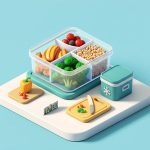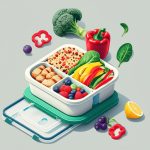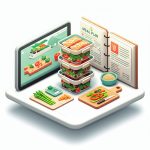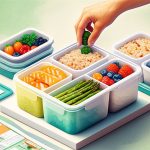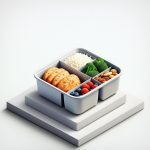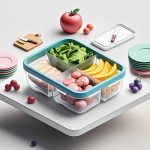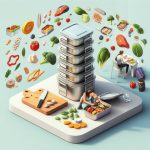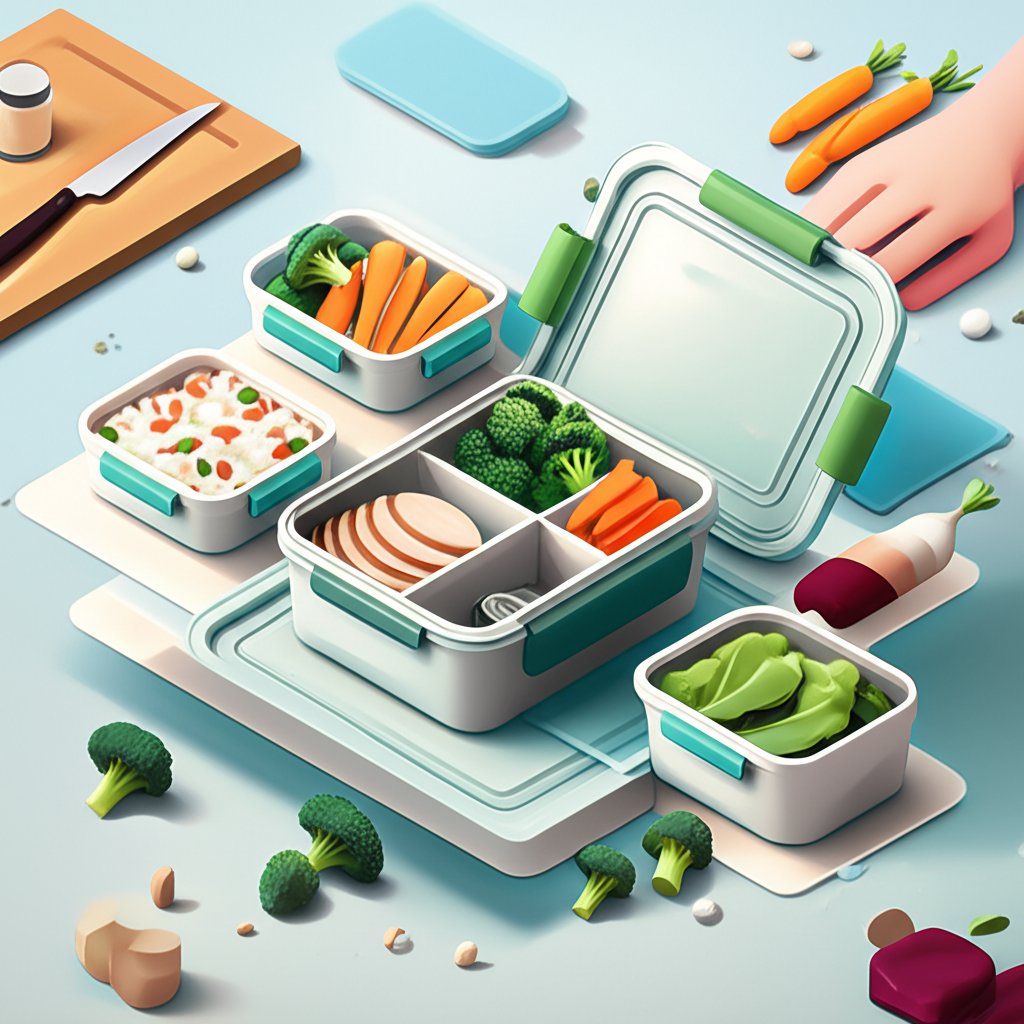
Of all the grand ambitions of meal prepping—perfectly balanced macros, a week of diverse meals, a fridge worthy of a magazine shoot—it’s often the small things that bring it all crashing down. Specifically, the mountain of dishes. This is where the humble but mighty plastic bento box becomes a game-changer, turning the chore of portioning and cleanup into a streamlined, almost effortless process.
But not all plastic containers are created equal. Choosing the right one means the difference between a convenient system and a cabinet full of stained, warped boxes with missing lids.
At a Glance: Your Plastic Bento Box Cheat Sheet
This guide will give you the practical knowledge to choose and use your plastic bento box like a pro. Here’s what you’ll be able to do:
- Decode the Material: Understand the difference between safe, durable plastics (like PP #5) and what “BPA-free” truly means for your peace of mind.
- Match Layout to Lifestyle: Learn to select the right number of compartments for your specific meals, from complex multi-part lunches to simple grain bowls.
- Choose Your Commitment: Decide between the convenience of high-quality disposable boxes and the long-term economy of reusable ones.
- Master the Workflow: Get a step-by-step plan for using your bento boxes for efficient batch meal prepping, from freezer to microwave.
- Avoid Common Pitfalls: Learn how to prevent stains, warping, and lingering odors to extend the life of your containers.
Decoding the Plastic: Your Guide to Safe and Durable Materials
The word “plastic” covers a huge range of materials. When it comes to your food, knowing what you’re buying is non-negotiable. Fortunately, the world of food-grade plastic bento boxes has largely standardized around safe, high-performance options.
The Workhorse: Polypropylene (PP #5)
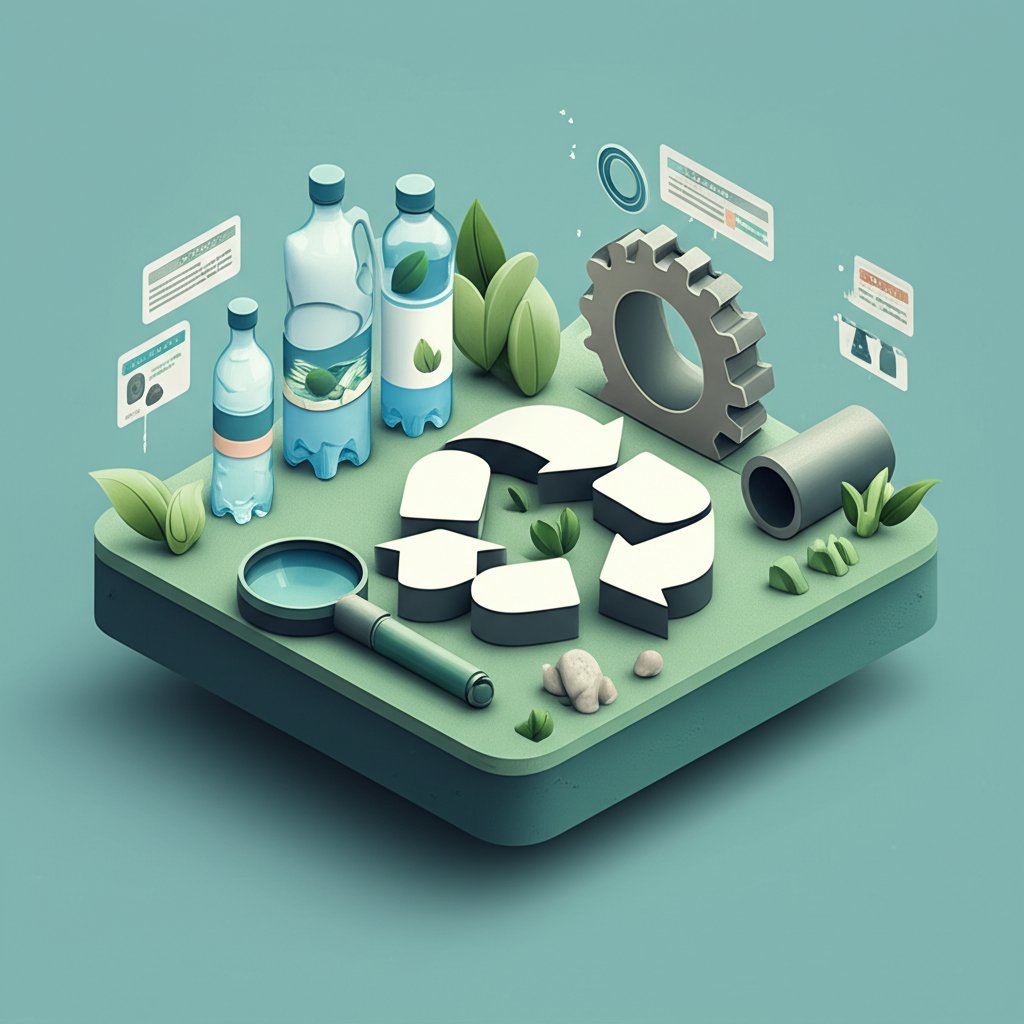
If you flip over a high-quality plastic food container, you’ll likely see a small recycling symbol with a number 5 inside. This indicates it’s made from Polypropylene (PP), the undisputed champion for food storage.
Why is it so popular? PP is a thermoplastic polymer that hits the sweet spot for meal prep. It’s durable enough to resist cracks, has a high heat tolerance (making it microwave-safe), and won’t leach chemicals into your food. This stability is why it’s trusted for everything from yogurt cups to medical equipment. When a brand specifies their box is for hot and cold foods, they are almost always using PP #5.
The “BPA-Free” Promise: What It Really Means
For years, Bisphenol-A (BPA) was a major concern in plastics. It’s a chemical that was used to harden certain plastics but was found to be an endocrine disruptor. Today, the “BPA-free” label is a standard feature on virtually all food containers from reputable manufacturers.
While it’s a crucial feature, you can generally assume that any modern plastic bento box designed for food, especially one made from PP #5, is BPA-free. It’s less of a premium feature now and more of a baseline expectation for safety.
Reusable vs. Disposable: Choosing Your Commitment Level
The biggest decision you’ll make is whether to go with a thick-walled reusable bento or a lighter, recyclable one. There’s no single right answer—it depends entirely on your needs.
| Feature | Reusable Plastic Bento | High-Quality Disposable Bento |
|---|---|---|
| Best For | Daily personal lunches, long-term savings | Large batch prepping, catering, events, grab-and-go |
| Material | Thicker, more rigid PP or Tritan | Thinner, flexible, recyclable PP |
| Upfront Cost | Higher per box | Lower per box (sold in bulk packs) |
| Longevity | Months to years with proper care | Single-use or a few uses with gentle handwashing |
| Cleanup | Dishwasher (top-rack) or hand wash | Rinse and recycle; no deep cleaning required |
| A great example of the disposable category is the Bento Tek 40-ounce Square Black Plastic Bento Box. It’s a professional-grade container sold in packs of 100. While labeled “disposable,” its durable PP construction means it can handle the freezer, microwave, and even a gentle hand wash. For a serious meal prepper making 10-15 meals at a time, or someone hosting a party, this model eliminates the daunting task of washing dozens of containers. |
The Art of the Compartment: Tailoring Your Bento to Your Appetite
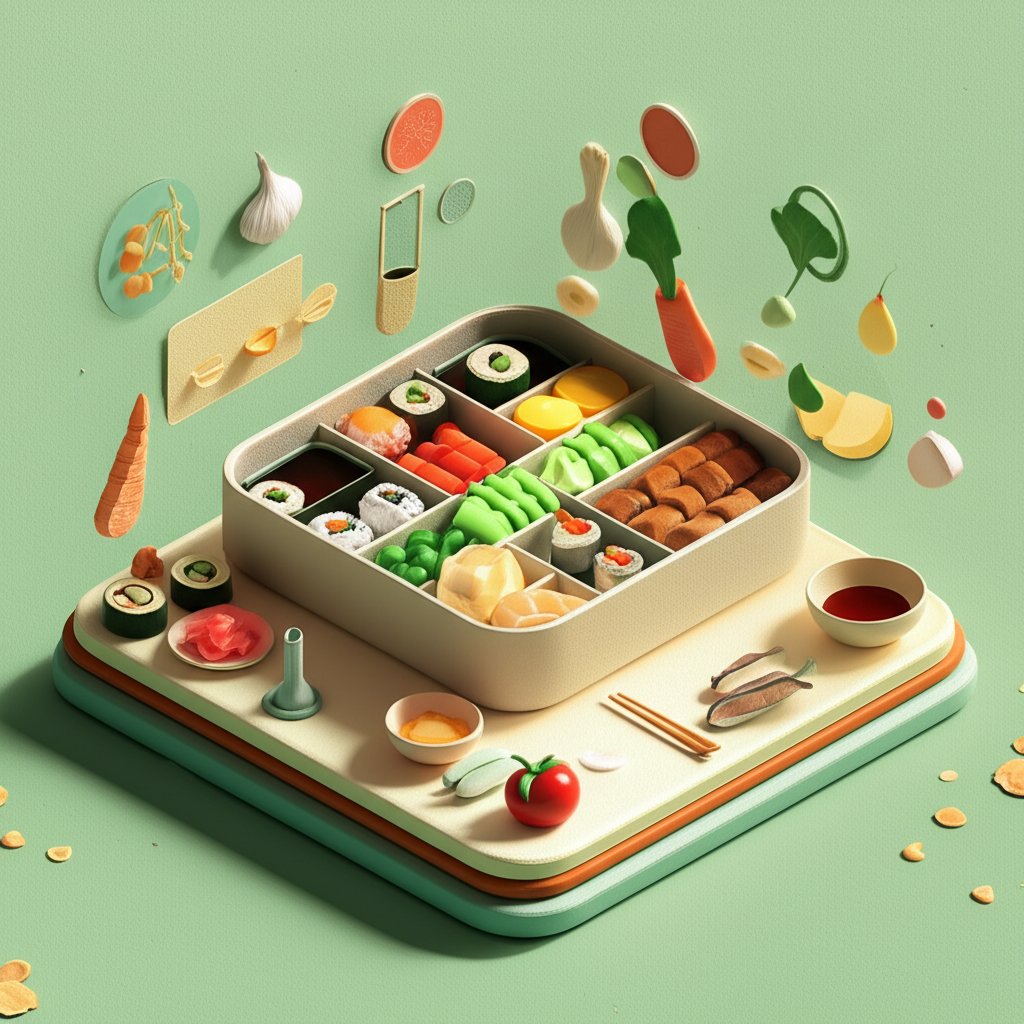
The soul of a bento is its compartments. They aren’t just for organization; they’re a tool for portion control and preserving food texture. While the aesthetic of a traditional wooden bento is undeniable, the modern plastic bento box offers a level of practicality and variety that’s hard to beat. Understanding your options is the first step, a concept we explore more broadly when you’re ready to Shop for your ideal bento.
The Classic 3- to 5-Compartment Layout
This is the quintessential meal prep layout. It’s designed for a balanced meal: a main protein, a carbohydrate source, and one or more vegetable sides.
- 3-Compartment: Perfect for a simple lunch, like grilled chicken (large section), quinoa (medium section), and roasted asparagus (small section).
- 5-Compartment: Ideal for more variety and separating textures. The Bento Tek model, with its five compartments, allows for a main dish plus multiple small sides—think nuts, fruit, a dipping sauce, and a veggie—all without touching.
Case Snippet: A fitness enthusiast preps five days of lunches. They use 5-compartment boxes to pack grilled salmon, a scoop of brown rice, steamed broccoli, a handful of almonds, and some cherry tomatoes. Everything stays separate, fresh, and perfectly portioned until lunchtime.
The Single-Compartment Hero
Don’t overlook the humble single-compartment plastic box. While it doesn’t offer separation, it’s the ideal choice for “mixed” dishes. Think big salads, hearty grain bowls, chili, or pasta. For these meals, compartments can be more of a hindrance than a help. Having a few of these on hand adds versatility to your meal prep system.
Stackable Systems: Building Your Meal Vertically
Two-tier, or stackable, plastic bento boxes offer another dimension of meal separation. They are fantastic for keeping certain foods completely isolated until you’re ready to eat.
- Hot vs. Cold: Keep a curry or soup in the microwave-safe bottom layer and a fresh salad or bread in the top layer.
- Wet vs. Dry: Pack a sandwich or crackers in one layer and a fruit salad or yogurt in the other to prevent sogginess.
This design is particularly popular with students and office workers who want to pack a more complex, multi-course lunch without carrying multiple containers.
From Freezer to Microwave: A Meal Prepper’s Best Friend
The true power of a plastic bento box is its ability to smooth out your entire meal prep workflow, from storage to reheating. Their lightweight, stackable nature is just the beginning.
Step-by-Step: Batch Prepping with Plastic Bentos
- Plan Your Menu: Choose 2-3 recipes for the week that share some common ingredients to simplify your cooking process.
- Cook in Bulk: Prepare all your proteins, grains, and vegetables at once. Let hot items cool for 10-15 minutes to reduce condensation.
- Set Up Your Assembly Line: Lay out your clean, dry plastic bento boxes on the counter.
- Portion and Pack: Use measuring cups to distribute your main components evenly. Fill the smallest compartments first with sauces, nuts, or garnishes.
- Seal and Stack: Secure the lids firmly. A good bento box should have a lid that snaps on securely (some, like the Bento Tek, have compatible lids sold separately for a perfect seal). Stack them neatly in the fridge or freezer. Thanks to their uniform shape, they use space far more efficiently than a collection of mismatched round containers.
Essential Features That Make a Real Difference
When you’re comparing models, look past the color and focus on these functional details:
- Airtight & Leak-Resistant Lids: A flimsy lid is a dealbreaker. Look for lids that snap into place or, for reusable models, have a silicone gasket for a truly leak-proof seal. This is critical for preventing spills and keeping food fresh.
- True Freezer-to-Microwave Capability: Don’t just assume—verify. The packaging or product description must explicitly state “freezer-safe” and “microwave-safe.” A freezer-safe box won’t become brittle and crack when frozen, while a microwave-safe one won’t warp or leach chemicals when heated.
- Stackability: Look for designs with indented lids or raised bottoms that allow the boxes to nestle securely on top of one another. This is a massive space-saver in both your fridge and your cupboard.
- Appropriate Capacity: Capacity is usually measured in ounces or milliliters. A 25-30 oz (750-900ml) box is great for a standard lunch. A larger 40 oz (1200ml) box is better for those with bigger appetites or for dinner-sized portions.
Your Plastic Bento Box Questions, Answered
Navigating the options can bring up some common questions. Here are clear, straightforward answers.
Q: Are all plastic bento boxes microwave-safe?
A: No, and it’s dangerous to assume they are. Always look for the microwave-safe symbol (often three wavy lines) or text confirmation on the bottom of the container. High-quality bento boxes made from food-grade Polypropylene (PP #5) are designed for reheating. Never microwave a plastic container that isn’t explicitly marked as safe.
Q: Can I put hot food directly into a plastic bento box?
A: If the box is made from a heat-resistant material like PP #5, yes. Containers like those in the Bento Tek line are specifically designed to handle both hot and cold foods, making them suitable for restaurants and caterers. For meal prep, however, it’s often best practice to let food cool for a few minutes before sealing. This prevents steam from getting trapped, which can make crunchy foods soggy.
Q: How do I prevent “soggy lunch syndrome”?
A: Use the compartments to your advantage. This is the core principle of bento. Keep wet ingredients (like dressings, sauces, or juicy fruits) separate from dry, crisp ingredients (like crackers, nuts, or breaded chicken). If your bento doesn’t have a small, dedicated section for liquids, use a mini silicone cup or a tiny separate container that fits inside.
Q: Are disposable plastic bento boxes bad for the environment?
A: This involves a trade-off between convenience and environmental impact. The key is responsible usage. Many “disposable” bento boxes are made from PP #5, which is widely recyclable. Unlike single-use plastics with no secondary value, these can be rinsed and placed in your recycling bin. For large-scale needs where washing dozens of containers is impractical, a recyclable option is a far better choice than sending containers to a landfill.
Your Quick Start Guide to the Perfect Plastic Bento
Ready to choose? Answer these three questions to find the right plastic bento box for you.
1. What is your primary use case?
- Daily Lunches for Work/School? → Invest in a small set (3-5 boxes) of durable, reusable bento boxes with leak-proof seals and locking clips.
- Serious Weekly Meal Prep (5+ meals)? → A 10-pack of stackable, reusable, microwave-safe boxes is your workhorse.
- Catering, Events, or Grab-and-Go Business? → A bulk pack (50-100 count) of high-quality, recyclable disposable boxes is the most efficient and hygienic solution.
2. What kind of food do you pack most often? - “Mixed” Meals (Salads, Pasta, Bowls): A single-compartment or two-compartment box is perfect.
- Separated Meals (Protein + Sides): A 3- to 5-compartment box is essential to keep ingredients distinct and fresh.
- Hot Main with a Cold Side: A two-tier stackable bento box is the ideal design.
3. Which features are your “must-haves”? - Leak-Proof: Prioritize models with silicone gaskets and four-sided locking lids.
- Freezer-Safe: Double-check the product specs to ensure the plastic can handle deep cold without cracking.
- Effortless Cleanup: Confirm it’s dishwasher-safe (top rack only!) or opt for a recyclable model to eliminate cleanup entirely.
Ultimately, a plastic bento box is more than just a container. It’s a system designed to bring order, efficiency, and ease to your food routine, helping you stick to your goals one perfectly portioned meal at a time.

- Easy Cold Meal Prep Ideas for No-Microwave Lunches on the Go - March 11, 2026
- Delicious Meal Prep Cold Meals Ready to Grab and Go - March 10, 2026
- Cold Meal Prep Makes Healthy, Stress-Free Lunches Easy - March 9, 2026