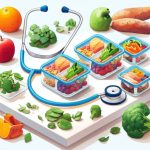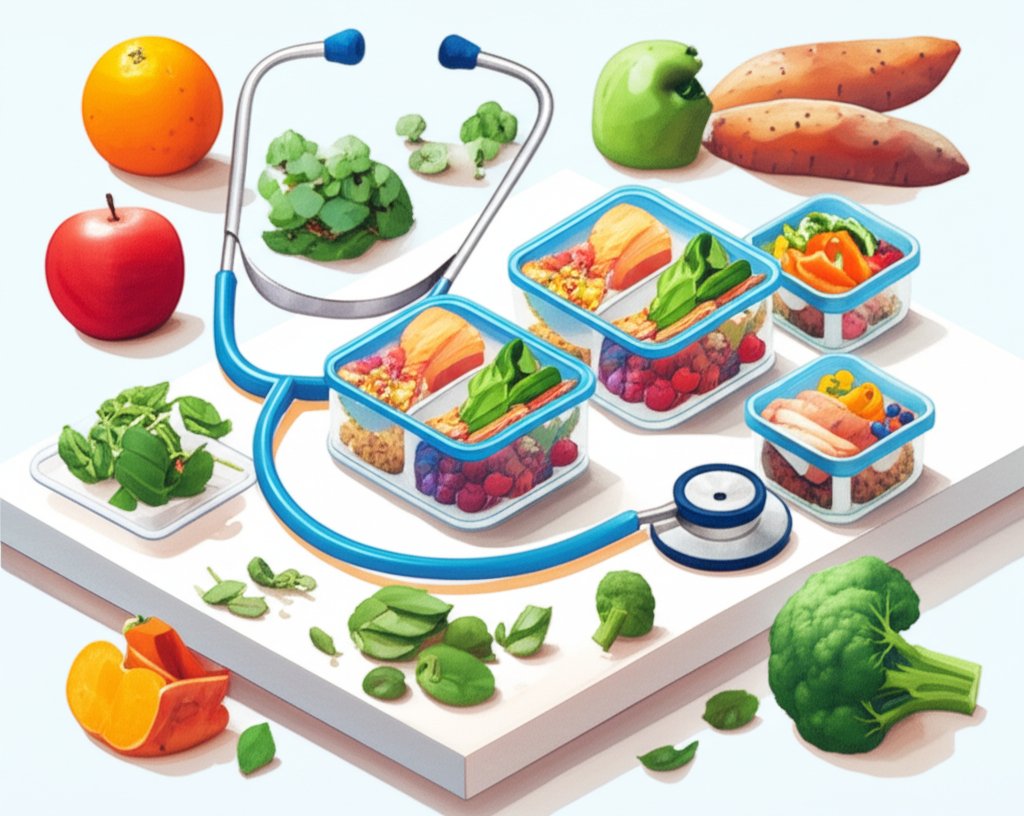
The alert dings. You glance at the clock—three hours left in a 12-hour shift that already feels like 24. Your stomach growls, a hollow reminder of the stale crackers you grabbed on your way out the door this morning. The vending machine whispers sweet, sugary nothings, but you know that path leads to a crash. This is the moment where effective nurse meal prep isn’t just a nice idea; it’s a lifeline for your energy, focus, and sanity.
Forget complicated recipes and hours chained to the stove. This is about reclaiming your breaks and fueling your body to meet the intense demands of the job. It’s about having a delicious, nourishing meal ready to go, so you can spend your precious downtime actually recharging instead of scrambling for food.
At a Glance: Your Meal Prep Game Plan
Short on time? Here’s what you need to know to win the week:
- Build Your Plate for Endurance: Focus on meals balanced with low-glycemic index (GI) carbs for sustained energy, lean protein to keep you full, and healthy fats for brainpower.
- Embrace Batch Cooking: Cook staples like quinoa, grilled chicken, or roasted vegetables in large quantities. Use them to build different meals throughout the week.
- The Right Tools Save Hours: A slow cooker, air fryer, and quality storage containers are your best friends. They do the work while you rest.
- Plan for Every Scenario: Prep easy-to-grab breakfasts, no-microwave-needed lunches, and smart snacks to avoid energy slumps and post-shift fast-food runs.
- Start Small: Don’t try to prep every meal for seven days. Begin by prepping lunches for your next two or three shifts. Small wins build lasting habits.
Why Smart Fueling is Non-Negotiable for Nurses
Working long hours, often through the night, does more than just make you tired. Research shows that shift work, especially in high-stress fields like nursing, can take a significant toll on your health. It’s linked to a higher risk of cardiovascular disease, digestive issues, mood swings, and metabolic problems like obesity.
Think of food as the most fundamental tool in your professional toolkit. The right fuel at the right time doesn’t just prevent hunger—it sharpens your clinical judgment, stabilizes your mood during patient interactions, and gives you the physical stamina to make it through a code or a long transport.
Relying on caffeine and convenience-store snacks is like putting low-grade fuel in a high-performance engine. You might get by for a while, but eventually, performance suffers. A strategic meal prep plan is your high-octane fuel solution, designed to combat fatigue and keep you at the top of your game.
The Nurse’s Meal Prep Blueprint: Fueling for a 12-Hour Shift
Building a meal that can power you through a demanding shift isn’t about counting every calorie. It’s about a simple, repeatable formula: Protein + Smart Carb + Healthy Fat + Fiber. This combination provides a steady release of energy, keeping you full, focused, and away from the vending machine.
Prioritize Low-Glycemic Carbs for Lasting Energy
Carbohydrates are your body’s primary energy source. But not all carbs are created equal. The Glycemic Index (GI) measures how quickly a food raises your blood sugar.
High-GI foods (like white bread, sugary drinks, and pastries) cause a rapid spike in energy followed by a hard crash—the last thing you need mid-shift. Low-GI foods, however, break down slowly, providing a steady, reliable stream of fuel.
- Excellent Choices: Brown rice, quinoa, whole-wheat pasta, sweet potatoes, rolled oats, beans, and lentils.
- Quick Tip: Cook a big batch of quinoa or brown rice on your day off. Store it in the fridge and add it as a base for bowls and salads all week.
Lean on Protein to Stay Full and Focused
Protein is the building block for muscle, skin, and bone, but its superpower for nurses is satiety. A protein-rich meal keeps you feeling full and satisfied far longer than one based on simple carbs, preventing the distracting hunger pangs that pull your focus from patient care.
- Power Proteins: Grilled chicken breast, turkey, fish, tofu, eggs, Greek yogurt, and legumes like chickpeas and black beans.
- Quick Tip: Hard-boil a dozen eggs at the start of the week. They’re a perfect grab-and-go snack or a quick protein boost for any meal.
Don’t Fear Healthy Fats
Healthy fats are crucial for brain function, reducing inflammation, and absorbing vitamins. Including them in your meals adds flavor and contributes to that long-lasting feeling of fullness.
- Smart Sources: Avocado, nuts, seeds (chia, flax, pumpkin), olive oil, and small amounts of feta or goat cheese.
- Quick Tip: Make a simple vinaigrette with olive oil and lemon juice to have on hand. It’s healthier than store-bought dressings and adds a dose of healthy fat to salads and grain bowls.
Your Sunday Reset: A Step-by-Step Guide to a Week of Good Meals
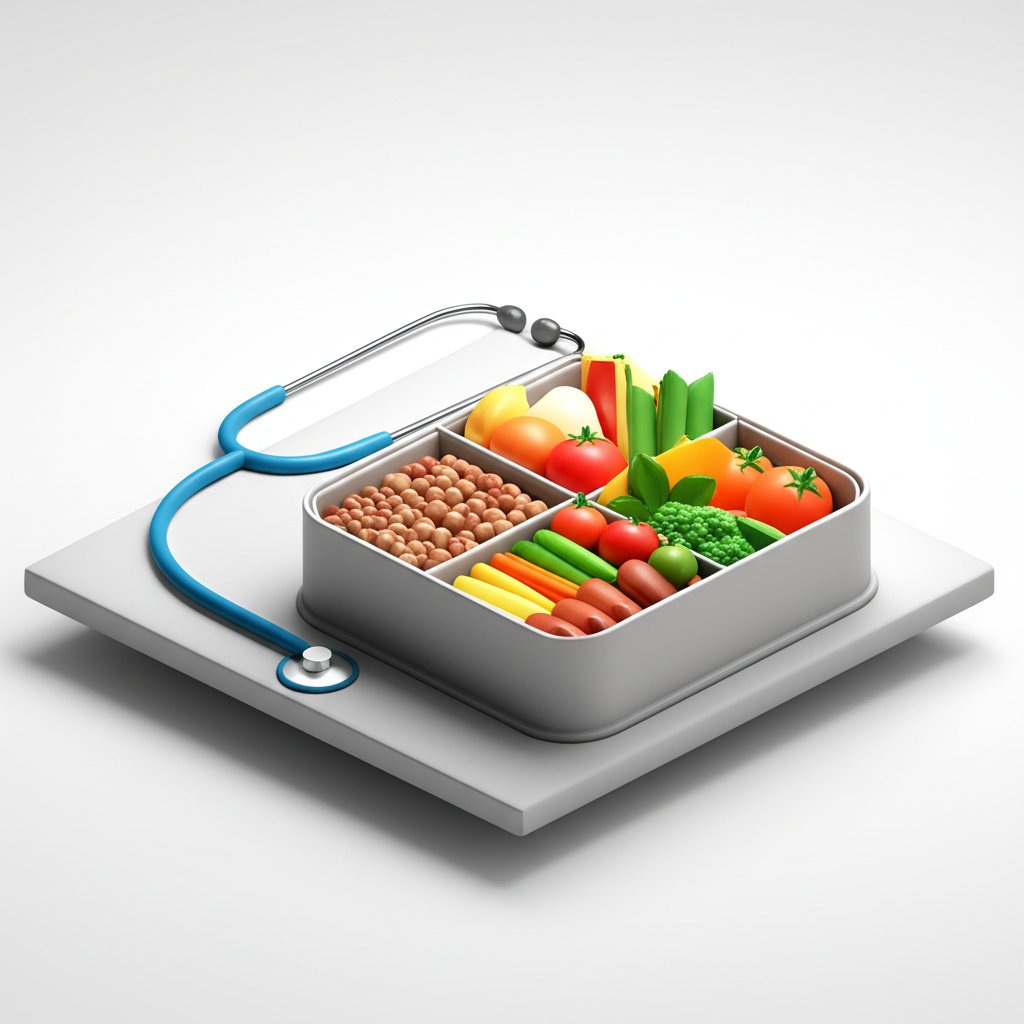
“Sunday” is a state of mind here—pick whichever day off works for you. Dedicate just 90 minutes to this routine, and you’ll thank yourself on every shift that follows.
1. Plan Your Menu (The “Cook Once, Eat Thrice” Method)
The secret to efficient prep is using overlapping ingredients. Don’t plan five completely different meals. Instead, pick a protein, a carb, and a few vegetables, and think of different ways to combine them.
- Example:
- Core Ingredients: Grilled Chicken, Quinoa, Roasted Broccoli, Black Beans, Spinach.
- Shift 1: Quinoa bowl with chicken, broccoli, and black beans.
- Shift 2: Big salad with spinach, leftover chicken, and a sprinkle of quinoa.
- Shift 3: Whole-wheat wrap filled with mashed black beans, chopped chicken, and spinach.
2. Make Your Grocery List
Before you shop, do a quick inventory of your pantry, fridge, and freezer. You might already have half of what you need. A focused list saves you time in the store and prevents impulse buys that don’t fit your plan.
3. Gear Up for Success
You don’t need a kitchen full of gadgets, but a few key items make nurse meal prep infinitely easier.
- Essential Tools: A sharp chef’s knife, mixing bowls, and a good cutting board.
- Time-Savers: A slow cooker (for set-and-forget meals), an air fryer (for crispy veggies and protein with minimal oil), or a food processor (for chopping veggies in seconds).
- Storage Stars: Glass meal prep containers (they don’t stain or hold odors), Mason jars (perfect for salads), and a high-quality insulated lunch bag.
4. Batch Cook Your Staples
This is the most important step. While you’re listening to a podcast or catching up on a show, get your core components ready.
- Cook a grain: Make a large pot of quinoa, brown rice, or whole-wheat pasta.
- Prep a protein: Bake a tray of chicken breasts, grill some tofu, or make a big batch of turkey chili in the slow cooker.
- Roast your vegetables: Toss broccoli, bell peppers, sweet potatoes, and onions with a little olive oil and seasoning, and roast until tender.
- Wash and chop fresh stuff: Wash and dry lettuce and spinach. Chop raw veggies like cucumbers and carrots for snacks.
5. Assemble and Store
Once your components are cooked and cooled, it’s time to assemble. You can create full “grab-and-go” meals in your containers or store each component separately to mix and match right before your shift. This “component prep” method is great for avoiding soggy salads and offers more variety.
Meal & Snack Ideas That Actually Work for 12-Hour Shifts
Theory is great, but you need practical ideas that fit into a hectic day. Here are some tried-and-true favorites that nurses swear by.
Breakfasts to Grab and Go
Your pre-shift meal sets the tone for your energy levels. Make it count.
- Overnight Oats: Combine rolled oats, milk (or a dairy-free alternative), a scoop of protein powder, and some chia seeds in a jar. Let it sit overnight in the fridge. In the morning, top with berries and nuts.
- Egg Muffins: Whisk eggs with chopped spinach, peppers, and a little cheese. Pour into a muffin tin and bake. These are like portable mini-omelets you can eat cold or warm.
- Power Smoothie: Blend Greek yogurt, a handful of spinach, frozen berries, a tablespoon of almond butter, and milk. It’s a complete meal you can drink on your commute.
Lunches That Won’t Put You to Sleep
Your mid-shift meal needs to re-energize you without causing a slump. These options are balanced, easy to eat, and delicious.
- The Un-Soggifiable Mason Jar Salad: The trick is layering. Put your dressing on the very bottom, followed by hard ingredients like chickpeas or carrots, then your grains, protein, and finally, your leafy greens at the top. When you’re ready to eat, just shake and pour.
- Satisfying Grain Bowls: Use your batch-cooked quinoa or brown rice as a base. Top with your prepped protein, roasted veggies, and a dollop of hummus or a sprinkle of feta. These are endlessly customizable.
- High-Protein Wraps: A whole-wheat tortilla is a perfect vehicle for leftovers. Spread it with hummus, add sliced turkey or chicken, and stuff with as much spinach as you can fit. For even more Quick nurse lunch ideas, consider deconstructed versions that you can assemble in minutes.
Smart Snacking for Energy Slumps
Around hour eight, you’ll need a boost. A smart snack can bridge the gap to your next meal or the end of your shift. Aim for a mix of protein and fiber.
- DIY Snack Packs: Create your own “bento boxes” with a hard-boiled egg, a handful of almonds, and some baby carrots.
- Greek Yogurt: A single-serving cup is packed with protein. Choose plain varieties and add your own fruit to control the sugar.
- Apple Slices with Peanut Butter: The classic combination of fiber and healthy fat is a winner for a reason.
Nurse Meal Prep Q&A: Your Top Questions, Answered
Even with a plan, challenges pop up. Here are solutions to some of the most common meal prep hurdles nurses face.
“I work the night shift. How should my eating schedule change?”
The principles are the same, but the timing is flipped. Aim to have your main “dinner-like” meal before you go into your shift to start with a full energy tank. Pack a smaller, easily digestible “lunch-like” meal (like a grain bowl or soup) to eat around 2 or 3 a.m. to fight fatigue. Avoid heavy, greasy foods mid-shift, as they can disrupt your digestion and sleep later. A small, protein-rich snack before you head home can prevent overeating before bed.
“My unit doesn’t have a reliable microwave. What are some no-heat options?”
You have plenty of great choices! Mason jar salads, hearty wraps, and cold pasta salads are all designed to be eaten chilled. A high-quality thermos is also a fantastic investment. You can fill it with hot soup, chili, or even leftover pasta in the morning, and it will still be perfectly warm hours later.
“I get so bored eating the same thing. How can I add variety?”
This is where “component prep” shines. You might have the same base of chicken and quinoa, but you can completely change the flavor profile with sauces, spices, and toppings. One day, give it a Tex-Mex feel with salsa, corn, and avocado. The next, go for an Asian-inspired vibe with a splash of soy-ginger dressing and edamame. Keeping a variety of sauces and seasonings on hand is the key to beating food boredom.
“Honestly, I’m just too exhausted to prep on my days off. Any tips?”
Start smaller. You don’t have to go from zero to prepping 21 meals a week. The goal is progress, not perfection.
- Start with one thing. Just prep your lunches for your shifts. Or just make a big batch of overnight oats.
- Try the “10-minute prep.” While dinner is cooking, take just 10 minutes to chop veggies for the next day or throw together a Mason jar salad.
- Involve your family. If you have a partner or older kids, make it a team effort. Someone can chop while another person assembles.
Your First Step to a Less Stressful, Healthier Week
Looking at all this advice can feel overwhelming, but building a nurse meal prep habit starts with a single, simple action. You don’t need to buy a hundred new containers or cook a week’s worth of food this afternoon.
Here’s your mission for this week: Just prep one thing.
That’s it. Cook a batch of brown rice. Hard-boil six eggs. Make three jars of overnight oats. Choose one small, manageable task that will make your next shift just a little bit easier.
By taking control of your fuel, you’re not just packing a lunch. You’re investing in your health, your career, and your well-being. You’re giving yourself the gift of time, energy, and peace of mind—and every nurse deserves that.

- Nurse Meal Prep for Busy Shifts Offers Quick Healthy and Easy Ideas - March 28, 2026
- Best Meal Prep Vegetables that Keep Well All Week - March 27, 2026
- Good Meal Prep Veggies That Stay Fresh All Week - March 26, 2026