Here is the comprehensive pillar article on meal prep vegetables, crafted according to your detailed instructions.
Meal Prep Vegetables: Simple Steps for Effortless Weekly Meals
It’s 5:30 PM on a Tuesday. You’re tired, you’re hungry, and the idea of washing, peeling, and chopping a pile of vegetables feels like a monumental task. So, you order takeout—again. This cycle is familiar to many, but breaking it is simpler than you think. The secret weapon for healthier, stress-free weeknight dinners is mastering meal prep vegetables. By dedicating a little time on the weekend, you transform your fridge into a ready-to-use arsenal of color, flavor, and nutrition, making delicious meals an easy, everyday reality.
This isn’t about spending your entire Sunday chained to the kitchen. It’s about a smart, strategic approach that pays you back in time, money, and peace of mind all week long.
At a Glance: Your Quick Guide to Vegetable Meal Prep
- The “Why”: Prepping veggies saves you significant time and money during the week, reduces food waste, and makes healthy eating the default, easy choice.
- Getting Started: Begin with a simple plan. Decide on your meals, make a list, and set aside just one hour on a weekend to wash, chop, and store.
- The Best Veggies: Hardy vegetables like bell peppers, carrots, broccoli, cauliflower, sweet potatoes, and onions are ideal for prepping raw or cooked.
- The Ones to Skip: Delicate vegetables with high water content, like cucumbers, lettuce, and tomatoes, are best prepared right before you eat.
- Storage is Key: Use airtight containers (glass is great), line leafy green containers with a paper towel, and store chopped carrots in water to keep them crisp.
- The 3-5 Day Rule: Most prepped vegetables will stay fresh in the fridge for 3 to 5 days, perfect for getting you through the workweek.
Why Bother Prepping Vegetables? (It’s More Than Just Saving Time)
Let’s be honest: the biggest hurdle to eating well is often the prep work. Dicing an onion, mincing garlic, and chopping a bell pepper can take 10-15 minutes—time you don’t always have when you’re starving. Prepping your vegetables in one go removes that daily friction.
But the benefits run much deeper.
- You’ll Save Money and Reduce Waste: When you buy vegetables with a plan, you use what you buy. No more finding a shriveled zucchini in the back of your crisper drawer. This targeted approach means less food—and money—in the trash.
- You’ll Lower Your Stress: Imagine opening your fridge and seeing neatly organized containers of ready-to-go ingredients. This “future you” will be incredibly grateful. Decision fatigue is real, and having prepped veggies eliminates a dozen tiny choices you’d otherwise have to make every evening.
- You’ll Actually Eat Healthier: Research consistently shows that a diet rich in a variety of vegetables can lower the risk of chronic diseases like heart disease, stroke, and certain types of cancer. When colorful, chopped vegetables are the most accessible thing in your fridge, you’re far more likely to toss them into every meal, from omelets to pasta. Exploring different types of top veggies for meal prep also introduces a wider range of vitamins and minerals into your diet.
Your 5-Step Weekend Game Plan to Get Started
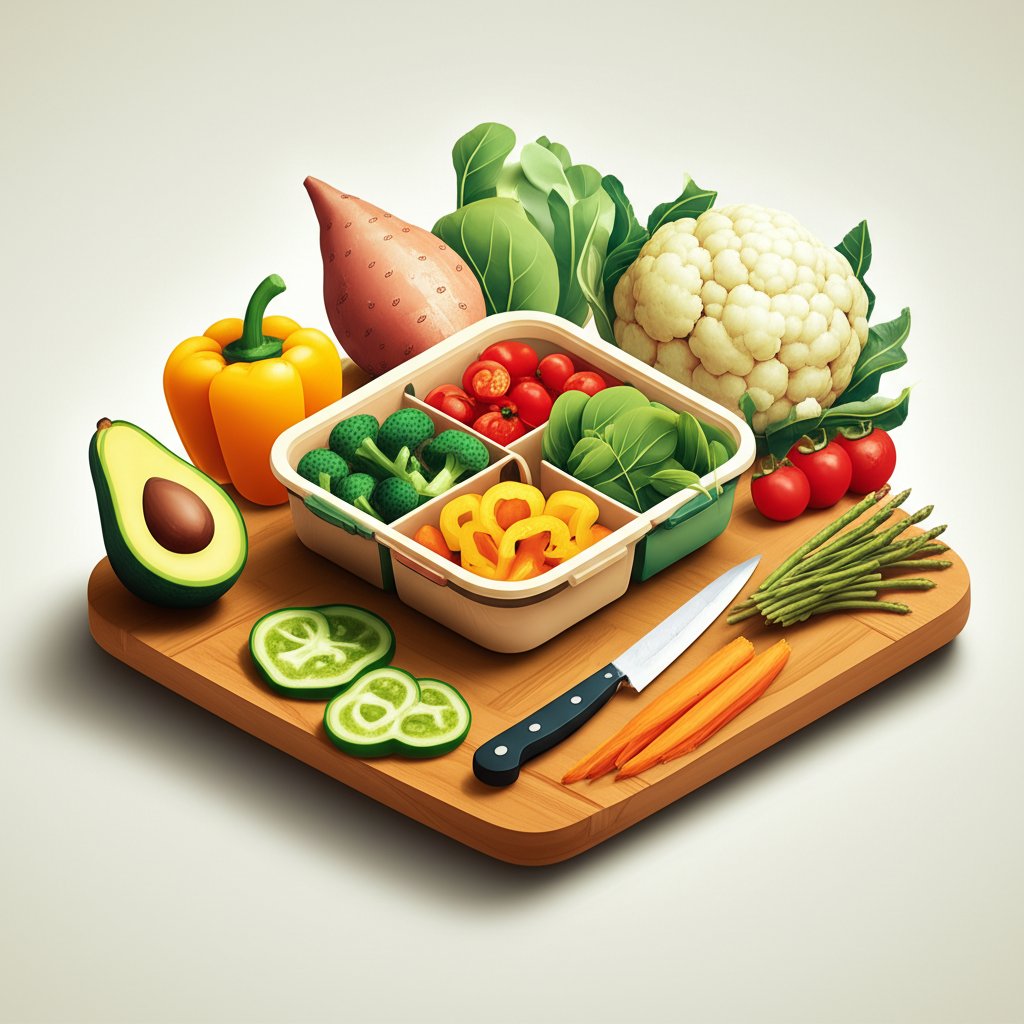
Getting into a routine is the hardest part. Follow these five steps this weekend, and you’ll set the foundation for a new habit. It doesn’t need to take hours—start with 60 minutes and see how much you can accomplish.
1. Plan Your Meals (Loosely): You don’t need a rigid, minute-by-minute menu. Just jot down a few ideas. For example:
- Monday: Chicken stir-fry
- Tuesday: Taco bowls
- Wednesday: Sheet-pan sausage and veggies
- Thursday: Big salad with grilled salmon
2. Make a Smart Shopping List: Based on your meal ideas, list the vegetables you’ll need. For the plan above, you might buy bell peppers, broccoli, onions, sweet potatoes, and mixed greens. Buy only what’s on the list to stay focused and avoid waste.
3. Block Out the Time: Find an hour or two on Sunday afternoon. Put on some music or a podcast. This isn’t a chore; it’s an investment in a smoother, healthier week ahead.
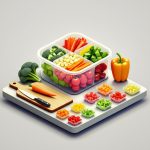
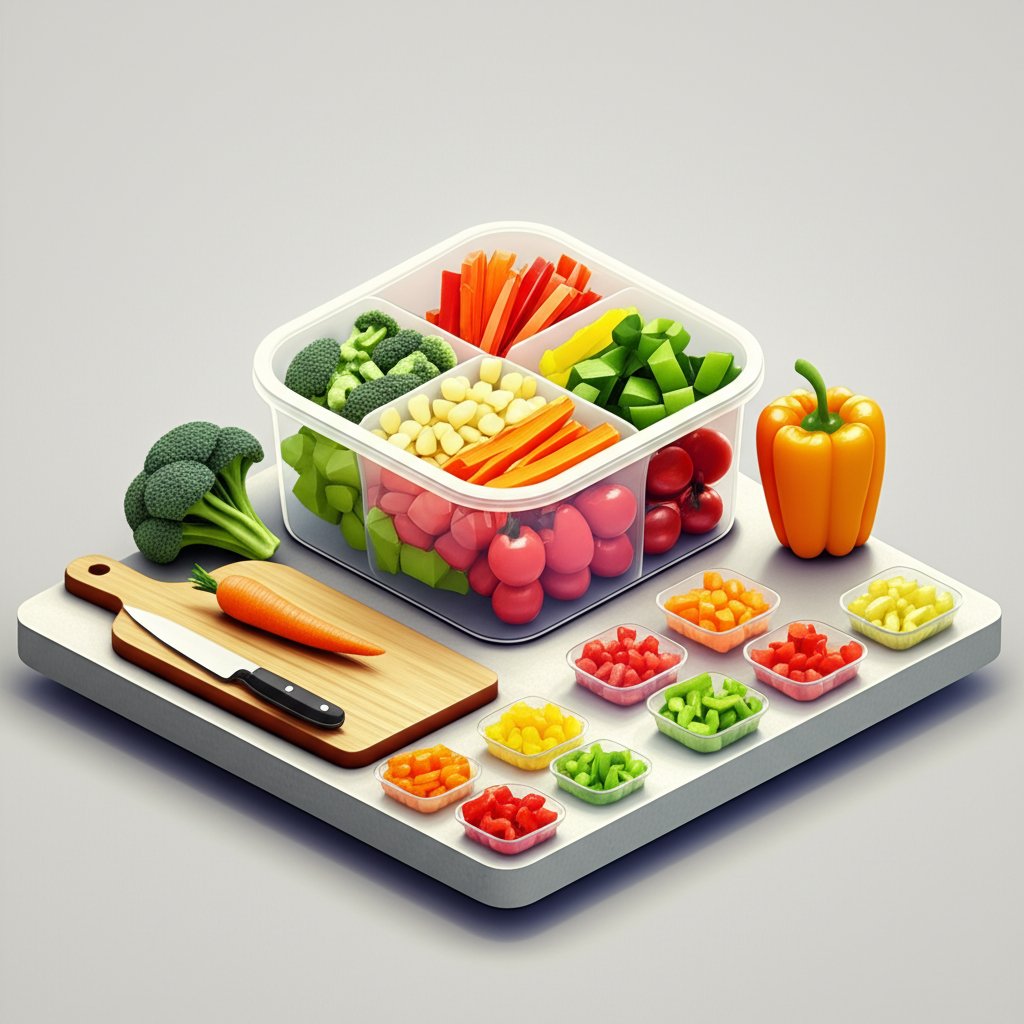
4. Set Up Your Station (Mise en Place): Before you touch a single vegetable, get organized. Clear your counters. Grab your cutting board, a sharp knife, a vegetable peeler, a large bowl for scraps (for compost or trash), and your storage containers.
5. Execute: Wash, Chop, and Store: Work through your vegetables one type at a time. Wash and dry everything first. Then, chop the onions, dice the peppers, and cut the broccoli into florets. As you finish each vegetable, place it in its designated airtight container and move it to the fridge.
The Five Core Strategies for Prepping Veggies
Not all vegetables are created equal, and your prep method can make all the difference in freshness and texture. Here are the five most effective strategies to have in your toolkit.
Method 1: The Raw Chop
This is the most common method: simply wash, peel (if needed), and chop your vegetables into the desired shapes. It’s perfect for hardy vegetables that will be cooked later in the week or used raw in salads.
- Best for: Bell peppers (sliced or diced), carrots (sticks or coins), celery (sticks or diced), onions (diced or sliced), radishes (sliced), broccoli, and cauliflower (florets).
- Pro Tip: To keep carrot and celery sticks extra crisp, store them submerged in a container of water in the fridge.
Method 2: The Pre-Cook (Roast, Steam, or Blanch)
Cooking vegetables ahead of time is a game-changer for quick meals. Roasted or steamed veggies can be instantly added to bowls, salads, or served as a side dish.
- Roasting: Toss vegetables like sweet potato cubes, broccoli florets, and asparagus spears with a little olive oil and seasoning. Roast at 400°F (200°C) until tender-crisp. Let them cool completely before storing.
- Steaming: A gentler method that works well for broccoli, green beans, and cauliflower. Steam until just tender, then cool before refrigerating.
- Blanching: This technique is fantastic for preserving the color and texture of green vegetables. Submerge veggies like green beans or asparagus in boiling water for 1-2 minutes, then immediately transfer them to a bowl of ice water to stop the cooking process. Dry them thoroughly before storing.
Method 3: The Deep Freeze
The freezer is your best friend for long-term storage. If you bought too much broccoli or found a great sale on bell peppers, you can prep and freeze them for months.
- How to do it: For most vegetables, it’s best to blanch them first (see above). This deactivates enzymes that cause loss of flavor, color, and texture. After blanching and cooling, pat them completely dry and spread them on a baking sheet in a single layer. Freeze for an hour, then transfer the frozen veggies to a freezer-safe bag or container. This prevents them from clumping together.
- Best for: Broccoli, cauliflower, green beans, peas, corn, and chopped spinach.
Method 4: The Tool-Assisted Takedown
Don’t be afraid to use modern kitchen gadgets to speed things up.
- Food Processor: Use the shredding disc for carrots (for salads or slaws), zucchini (for fritters), or cabbage. Use the S-blade to finely chop onions, garlic, and celery for a soup base (a mirepoix).
- Mandoline Slicer: For perfectly uniform slices of onions, radishes, or potatoes, a mandoline is unbeatable. Always use the safety guard.
Method 5: The All-in-One Pack
Assemble grab-and-go kits to make meals truly effortless. These can be customized for different dishes.
- Stir-Fry Packs: In a container or bag, combine sliced bell peppers, broccoli florets, snow peas, and sliced carrots. When you’re ready to cook, just dump the whole thing into a hot wok.
- Salad Jars: Layer your salad ingredients in a mason jar with the dressing on the bottom, followed by hard veggies, grains, protein, and leafy greens on top. This keeps everything separate and fresh until you’re ready to shake it up.
- Snack Packs: Portion out carrot sticks, celery sticks, and sliced bell peppers into small containers with a side of hummus or dip.
The Veggie Hall of Fame: What to Prep and What to Skip
Knowing which vegetables can handle being prepped is crucial for avoiding sad, soggy results. Choosing the Best meal prep veggies is the first step toward a successful week.
The All-Stars: Veggies That Hold Up Beautifully
These are the reliable workhorses of the meal prep world. They have a firm texture and low water content, which helps them stay fresh after being cut.
| Vegetable | Best Prep Method(s) | Storage Tip |
|---|---|---|
| Bell Peppers | Raw: Slice or dice. | Store in an airtight container. |
| Broccoli & Cauliflower | Raw: Cut into florets. Cooked: Roast or steam. | Store raw florets with a paper towel. Cool completely before storing cooked. |
| Carrots & Celery | Raw: Slice into coins or sticks. | Store submerged in water in the fridge to maintain crispness. |
| Onions & Garlic | Raw: Dice, slice, or mince. | Store in a well-sealed container to prevent odors from spreading. |
| Sweet Potatoes | Raw: Cube or slice. Cooked: Roast. | For raw cubes, store in water to prevent browning or use immediately. |
| Cabbage | Raw: Shred or slice. | Stores exceptionally well in an airtight container or bag. |
| Kale & Collards | Raw: De-stem and chop. | Wash, dry thoroughly, and store in a bag with a paper towel. |
| Butternut Squash | Raw: Peel and cube. Cooked: Roast. | Raw cubes store well for up to a week. |
| Green Beans | Cooked: Blanch or steam until al dente. | Dry completely after cooking/blanching before storing. |
The Benchwarmers: Veggies to Prep Just-in-Time
These vegetables have a high water content or delicate structure, causing them to become mushy, brown, or limp soon after being cut.
- Cucumbers: They release water and become soggy. Slice them right before serving.
- Lettuce & Delicate Greens: Romaine, butter lettuce, and spring mix will wilt. It’s better to wash and spin-dry them whole, then tear or chop just before making your salad.
- Tomatoes: Diced tomatoes become mealy and watery. Cherry tomatoes can be washed ahead of time, but slice them just before eating.
- Avocado: Oxidizes and turns brown almost immediately. A squeeze of lemon or lime juice can help, but it’s best cut fresh.
- Mushrooms: They can become slimy once sliced. If you must prep them, wait until the day before you plan to use them.
Mastering Storage: How to Keep Your Prepped Veggies Fresh
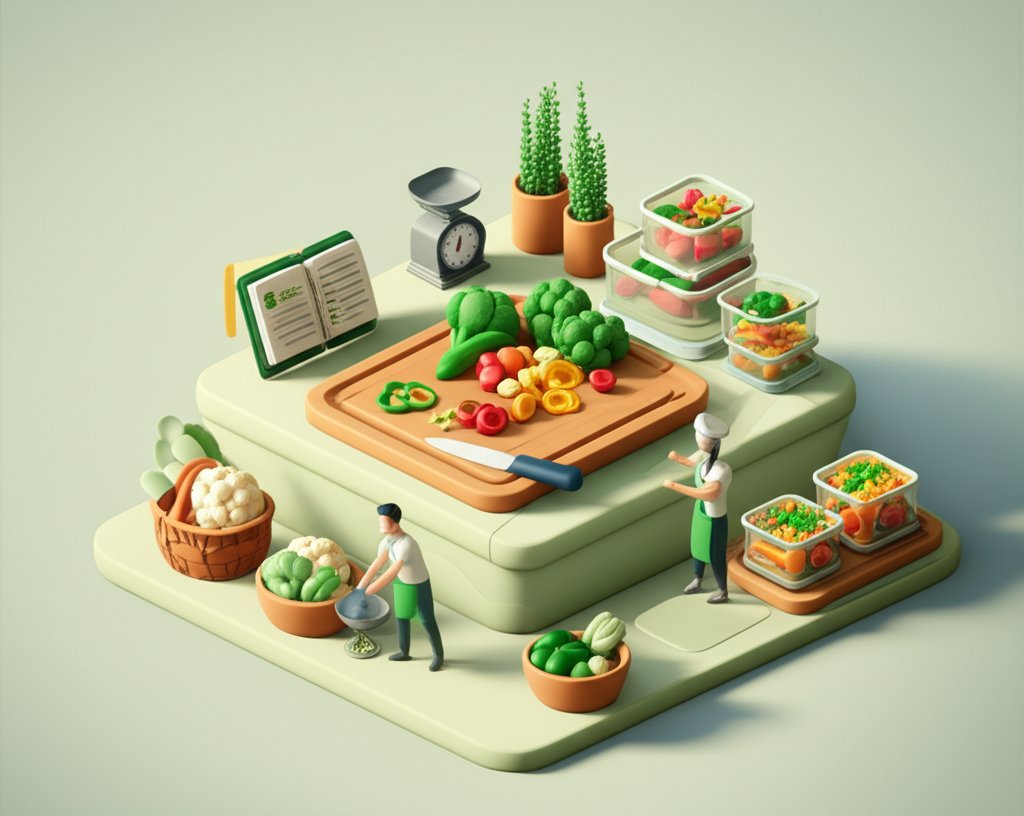
Your hard work deserves to be protected. Proper storage is the final, critical step to ensure your vegetables stay crisp and delicious.
Choose the Right Containers
Airtight containers are non-negotiable. They prevent oxygen from getting in and wilting your veggies, and they stop odors (like from onions) from taking over your fridge.
- Glass Containers: They are a fantastic investment. They don’t stain or retain odors, are easy to clean, and you can see exactly what’s inside.
- BPA-Free Plastic: A more lightweight and budget-friendly option. Just be sure they seal tightly.
The Paper Towel Trick for Leafy Greens
For washed kale, spinach, or even heartier lettuces like romaine, place a dry paper towel in the bottom of your airtight container or storage bag. Add the greens, then top with another paper towel. The towel absorbs excess moisture, which is the primary enemy of fresh greens. When weighing the Best vegetables for meal prep, don’t forget that proper storage can make even semi-delicate greens last longer.
Label Everything (Seriously)
Use a piece of masking tape and a marker or a dedicated label maker. Label each container with two things: what it is and the date you prepped it. This takes the guesswork out of “How old is this?” and helps you follow the golden rule of kitchen organization: FIFO (First-In, First-Out). Place newer items in the back of the fridge and move older items to the front so you use them up first.
Putting It All Together: From Prepped Veggies to Delicious Meals
Now for the best part: using your beautifully prepped produce! With a fridge full of ready-to-go ingredients, weeknight meals come together in minutes.
- Speedy Stir-Fries: Grab your pre-chopped bell peppers, broccoli, and onions. Sauté with a protein and your favorite sauce for a 10-minute dinner.
- Effortless Omelets and Frittatas: Toss a handful of diced onions, peppers, and chopped spinach into your eggs for a nutrient-packed breakfast.
- Hearty Salads and Bowls: Start with a grain or green base, then pile on your pre-roasted sweet potatoes, raw chopped carrots, and radishes. For some excellent recipes, check out these ideas for Healthy Veggie Meal Prep.
- Quick Sheet-Pan Dinners: Spread your pre-cut broccoli, cauliflower, and onions on a baking sheet. Add some chicken sausage or chickpeas, drizzle with oil and spices, and roast until everything is golden.
- Flavorful Soups and Stews: Your pre-diced mirepoix (onions, carrots, celery) gives you a head start on nearly any soup recipe.
Your Meal Prep Questions, Answered
Q: How long do prepped vegetables really last in the fridge?
Most prepped raw vegetables will stay fresh for 3-5 days when stored correctly in an airtight container. Cooked vegetables also last for about the same amount of time. Listen to your senses—if it looks, smells, or feels off, it’s best to toss it.
Q: Do chopped vegetables lose nutrients?
Yes, there is some minor nutrient loss when vegetables are cut and exposed to air and light, particularly for water-soluble vitamins like Vitamin C. However, this loss is minimal over a few days. The nutritional benefit of eating a prepped vegetable is infinitely greater than that of not eating one at all because you didn’t have time to prep it from scratch.
Q: Can I use pre-cut vegetables from the grocery store?
Absolutely. Buying pre-cut veggies is a fantastic shortcut if you’re very short on time or have mobility issues that make chopping difficult. It costs more, but sometimes the convenience is worth the price.
Q: What are the absolute essential tools for getting started?
You don’t need a kitchen full of gadgets. Start with these three basics:
- A good, sharp chef’s knife.
- A large, stable cutting board.
- A set of quality airtight storage containers.
Your First Step to a Simpler Week
The idea of a full-scale meal prep can feel intimidating. So don’t start there.
This week, make a small, manageable commitment. Choose just two vegetables you eat regularly—perhaps onions and bell peppers. On Sunday, spend 15 minutes chopping them and putting them in containers. Then, see how it feels to reach for them on a busy Tuesday.
That small moment of ease is what this is all about. It’s a simple act of kindness to your future self. By prepping your vegetables, you’re not just organizing your fridge; you’re designing a week with less stress, more joy, and more delicious, healthy food on your plate.

- Meal Prep Vegetables Simple Steps for Effortless Weekly Meals - March 23, 2026
- Potato Meal Prep Ideas Make Weeknight Dinners Simple - March 22, 2026
- Mastering Meal Prep Potatoes For Easy Weekday Dinners - March 21, 2026