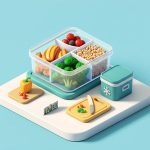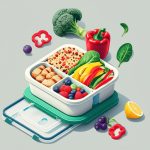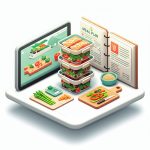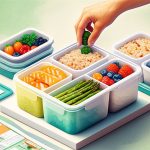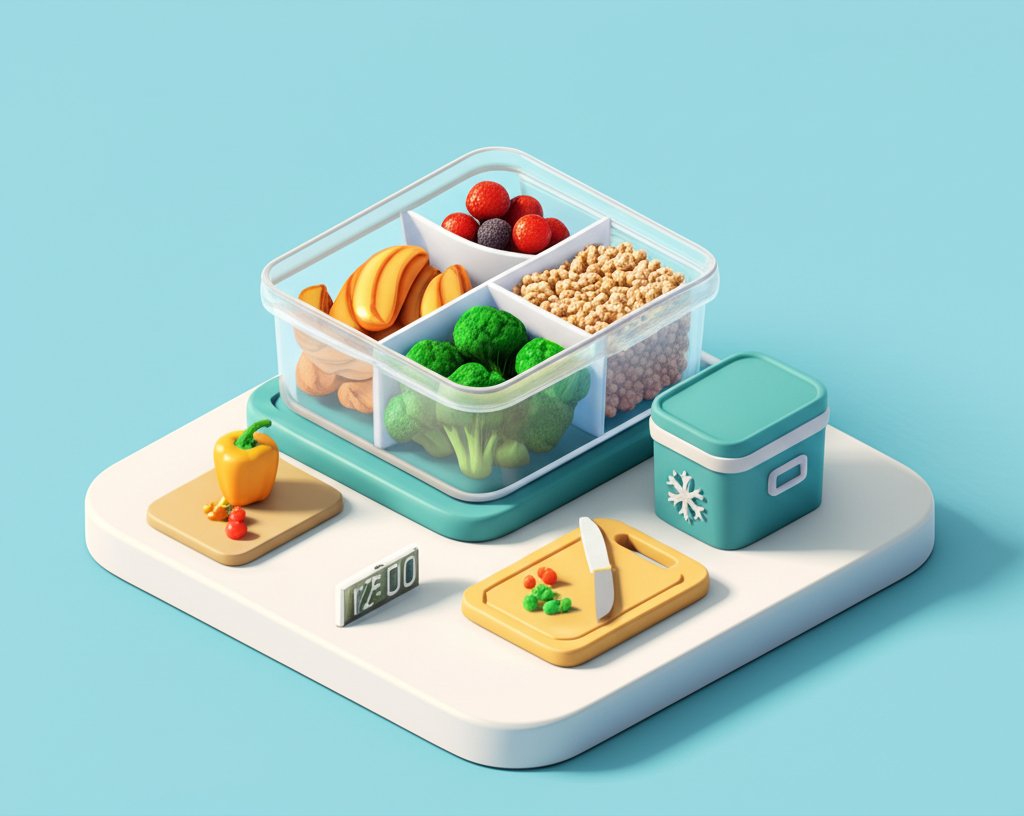
That moment of lunchtime dread is all too familiar: you’re hungry, short on time, and staring down the choice between another expensive takeout order or a sad, uninspired desk lunch. But what if your fridge held the key to a delicious, stress-free midday meal? This is the power of meal prep cold meals—a strategy that transforms your lunch routine from a daily chore into a simple grab-and-go victory. It’s about front-loading the work so your future self can enjoy flavorful, nourishing food without ever touching a microwave.
At a Glance: What You’ll Master
- The Core Components: Learn the simple framework for building balanced and satisfying cold meals that never get boring.
- Beyond the Basics: Discover creative meal ideas, from hearty grain salads to clever no-soggy sandwiches and bento-style snack boxes.
- Storage Secrets: Get pro tips on the best containers and layering techniques to keep your food fresh, crisp, and delicious for days.
- A Practical Workflow: Follow a clear, step-by-step process for planning, prepping, and assembling your weekly lunches efficiently.
- Food Safety First: Understand the simple rules to ensure your prepped meals are always safe and ready to eat.
The “No-Heat” Advantage: Why Cold Prep Is a Game-Changer
Preparing meals you don’t have to heat up isn’t just about avoiding the office microwave queue. It’s a deliberate strategy that unlocks unique benefits. Many meal prep cold meals, especially pasta salads and marinated grain bowls, actually taste better after a day or two in the fridge as the flavors meld and deepen. This approach saves you precious time on busy mornings and gives you complete control over your ingredients, making it easier to stick to your health and budget goals.
The core idea is to shift from assembling a full meal each day to prepping versatile components once or twice a week. If you’re just starting to explore this method, our comprehensive Easy cold meal prep guide covers the foundational principles of planning and shopping for a successful week. This article dives deeper into the specific recipes and techniques that make cold lunches a highlight of your day.
A Framework for Building the Perfect Cold Meal
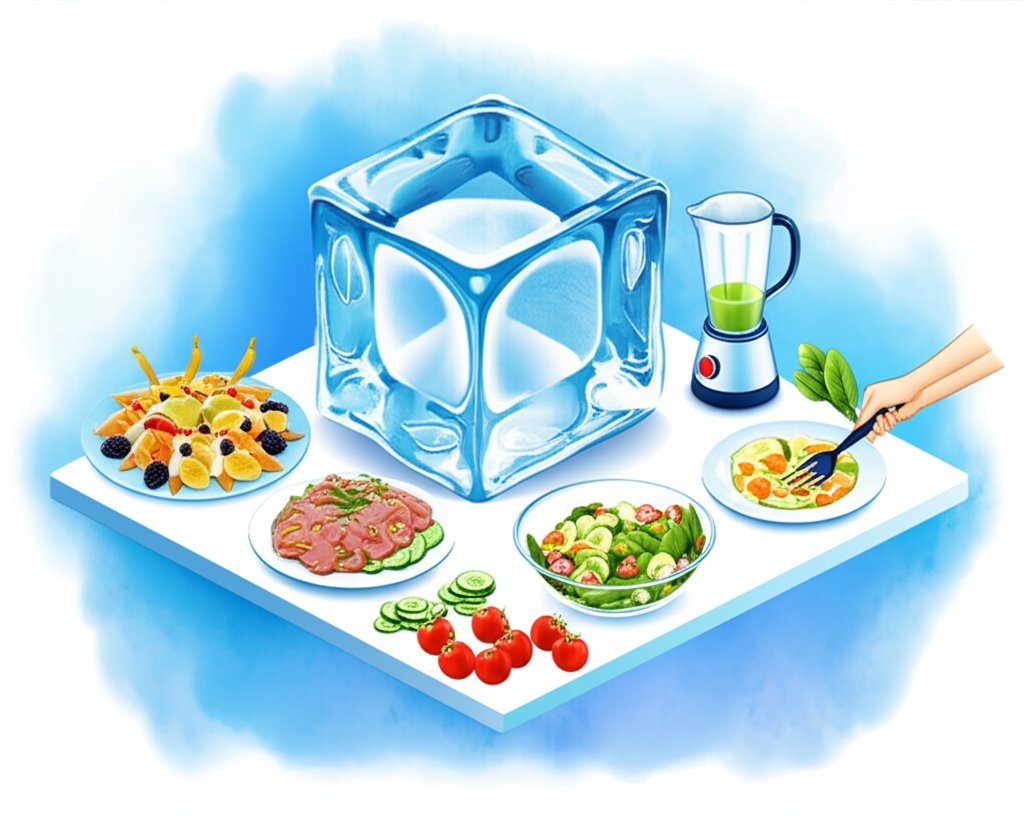
Instead of getting stuck on specific recipes, think in terms of components. This flexible approach allows you to mix and match what you have on hand, preventing flavor fatigue and reducing food waste.
1. Start with a Sturdy Base
This is the foundation of your meal, providing substance and energy. Your choice here dictates the direction of the entire dish.
- Leafy Greens: For salads, choose hearty greens like kale, romaine, or spinach that won’t wilt easily.
- Whole Grains: Quinoa, farro, brown rice, and barley are fantastic cold. They absorb dressings without getting mushy and add a satisfying chew.
- Pasta & Noodles: Tortellini, orzo, rotini, and even udon or soba noodles make for excellent cold salads.
- Legumes: Chickpeas, black beans, and lentils can serve as a base themselves or be added for extra fiber and protein.
2. Add a Powerhouse Protein
Protein is key to making your lunch satisfying enough to carry you through the afternoon.
- Cooked & Chilled Meats: Grilled chicken breast, shredded rotisserie chicken, turkey slices, and lean ham are all easy options.
- Seafood: Canned tuna or salmon (packed in water or oil), and cooked shrimp work beautifully.
- Plant-Based Proteins: Firm tofu, tempeh, edamame, and lentils or chickpeas are excellent choices.
- Other Staples: Hard-boiled eggs and quality cheeses like feta, goat cheese, or sharp cheddar add flavor and protein.
3. Layer in Colorful Vegetables
This is where you add nutrients, texture, and visual appeal. The key is to choose vegetables that hold up well.
- Crunchy & Hardy: Carrots, bell peppers, celery, broccoli, red onion, and corn add a satisfying crunch that lasts for days.
- Softer Veggies: Tomatoes and cucumbers have high water content. To prevent sogginess, add them just before serving or pack them in a separate container.
4. Finish with Flavor Boosters and Healthy Fats
These are the finishing touches that elevate your meal from good to great.
- For Crunch: Toasted nuts (almonds, walnuts) or seeds (sunflower, pumpkin). Pack these separately to maintain their texture.
- For a Savory Kick: Olives, capers, sun-dried tomatoes, or pickled jalapeños.
- For Freshness: Chopped fresh herbs like parsley, cilantro, dill, or mint.
- For Creaminess: Cubed or sliced avocado (add right before eating to prevent browning) or a dollop of hummus.
Your Playbook of Cold Meal Ideas
Ready to put the framework into action? Here are specific ideas, categorized by type, that are proven winners for cold meal prep.
Sandwiches and Wraps That Don’t Get Soggy
The dreaded soggy sandwich is the downfall of many lunch preppers. The secret is creating a moisture barrier.
- Turkey Ranch Club Wraps: Spread a thin layer of cream cheese or ranch dressing on a tortilla, leaving a border. Layer with crisp romaine lettuce leaves first—these act as a shield. Top with sliced turkey, cooked bacon, and cheddar cheese before rolling tightly.
- Pesto Chicken Sandwich: Toast your bread slightly to help it resist moisture. Spread a layer of pesto on each slice. Use thick-cut bread. Place a large piece of lettuce on the bottom slice, then add your chicken salad, and top with another lettuce leaf before closing.
- Sandwich Kabobs: A fun, bread-free alternative. Skewer cubes of bread, folded deli meat, cheese cubes, cherry tomatoes, and pickles onto a stick. Pack any dipping sauce separately.
Hearty Grain and Pasta Salads
These are the ultimate prep-ahead heroes. They’re built to last and often taste even better on day two or three.
- Mediterranean Orzo Salad: Combine cooked orzo with chopped cucumber, cherry tomatoes, Kalamata olives, red onion, and feta cheese. Toss with a simple lemon-dill vinaigrette. Pro Tip: Keep the tomatoes separate until the morning you pack your lunch to maintain the best texture.
- Italian Tortellini Salad: Mix cheese tortellini with mini pepperoni, mozzarella pearls, black olives, and bell peppers. A robust Italian dressing ties it all together.
- Bacon Ranch Pasta Salad: A crowd-pleaser for a reason. Combine rotini pasta with cooked, crumbled bacon, shredded cheddar, and peas. Mix with a creamy ranch dressing.
Protein-Packed Power Bowls and Salads
These are nutrient-dense, endlessly customizable, and perfect for keeping in a Mason jar or bento box.
- Mexican Black Bean & Corn Salad: A vibrant mix of black beans, corn, chopped bell pepper, red onion, and cilantro. The dressing is simple: lime juice, olive oil, and a pinch of cumin. It’s fantastic on its own or scooped up with whole-grain crackers.
- Classic Chicken Salad with Grapes: Combine shredded chicken with celery, red onion, and halved grapes. Mix with a dressing of Greek yogurt or mayonnaise, a little Dijon mustard, and fresh dill. Serve with crackers or in a lettuce wrap.
- Elote-Inspired Corn Salad: A deconstructed version of Mexican street corn. Mix corn kernels with crumbled cotija cheese, a dollop of Greek yogurt or crema, lime juice, and a sprinkle of chili powder.
The Art of Assembly and Storage
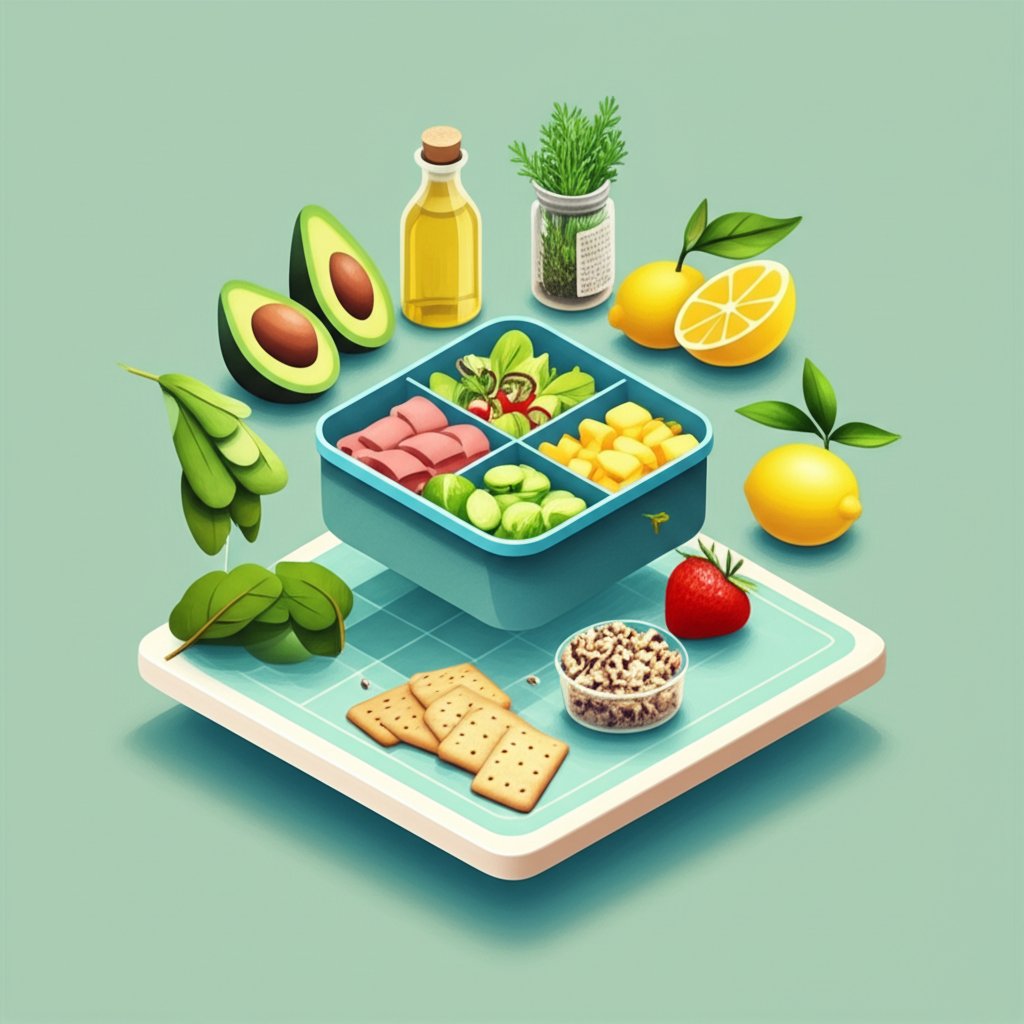
How you pack and store your meal prep cold meals is just as important as the recipe itself. Proper storage ensures your food stays fresh, safe, and delicious.
Your Weekly Cold Meal Prep Workflow
- Plan (Friday/Saturday): Decide on 2-3 different lunch recipes for the week. Make your grocery list.
- Shop (Saturday/Sunday): Get all your ingredients.
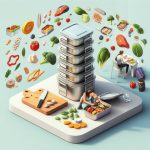
- Component Prep (Sunday): This is the most crucial step. Cook your grains (quinoa, rice). Roast or grill your protein (chicken, tofu). Wash and chop all your hardy vegetables. Mix your dressings. Hard-boil eggs.
- Assemble (Night Before or Sunday): Either fully assemble your meals for the next 2-3 days or keep components in separate large containers to quickly assemble each morning.
Essential Storage Gear
| Container Type | Best For | Pro Tip |
|---|---|---|
| Mason Jars | Layered Salads | Pour dressing in first, followed by hardiest ingredients (grains, beans), then proteins and veggies, and top with leafy greens. |
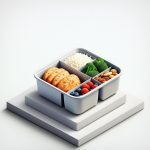
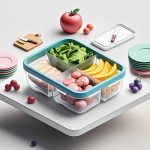
| Bento Boxes | Snack-style meals, meals with wet/dry components | The dividers are perfect for keeping crackers crunchy, dips contained, and fruits away from your main dish. |
| Airtight Glass Containers | Grain bowls, pasta salads, protein salads | Glass doesn’t stain or retain odors, making it ideal for flavorful dishes. They are also easy to clean. |
Food Safety is Non-Negotiable
According to the USDA, perishable food should not be left at room temperature for more than two hours. To keep your lunch safe:
- Keep it Cold: Your refrigerator should be set to 40°F (4°C) or below.
- Use an Ice Pack: Always pack an ice pack in your insulated lunch bag to keep the meal at a safe temperature until you’re ready to eat.
- Know the Lifespan: Most prepped cold meals last for 3-4 days. Sandwiches or meals with delicate ingredients are best eaten within 1-2 days.
Your Cold Meal Prep Questions, Answered
Q: How long do meal prep cold meals last in the fridge?
A: Most cold meals, like grain bowls, pasta salads, and jar salads, will stay fresh and delicious for 3-4 days when stored in an airtight container. Sandwiches with wet ingredients or salads with very delicate greens are best consumed within 1-2 days.
Q: What are the best cold meals for beginners to meal prep?
A: Start with a quinoa or pasta salad. These are incredibly forgiving, hold up well for several days, and don’t require complex layering techniques. A simple formula is cooked grain/pasta + canned beans or cooked chicken + chopped veggies + a vinaigrette.
Q: How do I really keep my salad from getting soggy?
A: The Mason jar method is your best friend. The golden rule is dressing on the bottom, greens on the top. Layer your ingredients from wettest/hardiest to driest/most delicate. If you’re using a regular container, always pack your dressing in a separate small container to add right before eating.
Q: Can I freeze my meal prep cold lunches?
A: It depends on the components. You can freeze cooked chicken, grains, and beans. However, do not freeze assembled salads, sandwiches, or meals with fresh vegetables like cucumbers, lettuce, or tomatoes, as they will become watery and limp upon thawing. It’s better to freeze the individual prepped components and assemble your lunch after they’ve thawed in the fridge.
Your First Week of Grab-and-Go Lunches
Feeling inspired but not sure where to start? Here’s a simple plan. On Sunday, spend about an hour prepping three core components:
- Cook a big batch of quinoa.
- Grill or bake 3-4 chicken breasts, then dice.
- Chop a container of hardy veggies: bell peppers, carrots, and red onion.
With these ready, your week looks like this:
- Monday & Tuesday: Assemble a Mediterranean Quinoa Bowl. Combine quinoa, chicken, and veggies with some store-bought chickpeas and feta cheese. Pack a lemon vinaigrette on the side.
- Wednesday & Thursday: Make a Chicken Salad Wrap. Mix your remaining diced chicken with a little Greek yogurt and seasonings. Use large lettuce leaves as a barrier inside a whole-wheat tortilla.
That’s it. You’ve just reclaimed your lunch hour. By investing a little time upfront, you’ve set yourself up for a week of delicious, healthy, and completely stress-free meals that are ready the moment you are.

- Delicious Meal Prep Cold Meals Ready to Grab and Go - March 10, 2026
- Cold Meal Prep Makes Healthy, Stress-Free Lunches Easy - March 9, 2026
- Meal Prep Ideas for Healthy Eating Throughout Your Busy Week - March 8, 2026