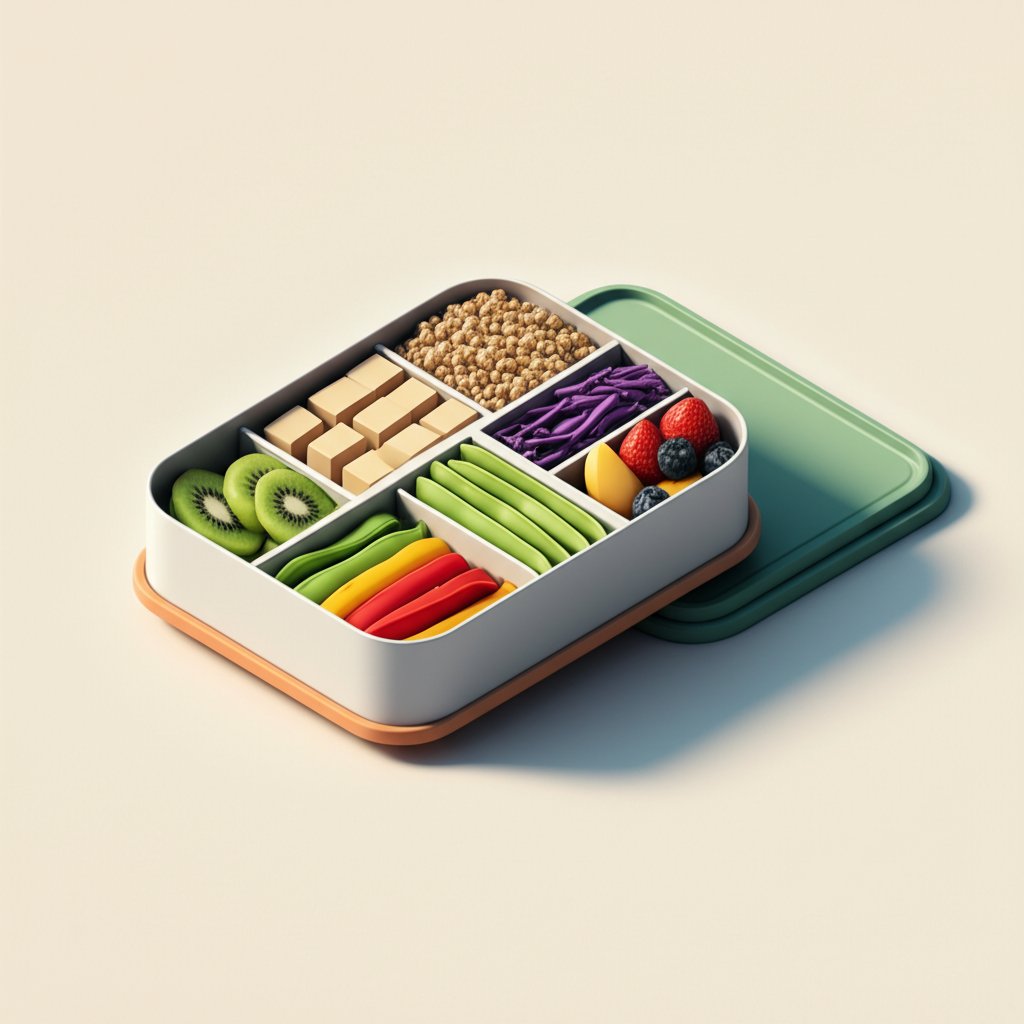
You’ve mastered the art of crafting the perfect meal, neatly compartmentalized in your favorite bento box. But the victory is short-lived when you discover your existing lunch bag is a poor match. Finding a lunch box that fits bento box containers properly isn’t just about size—it’s about protecting your carefully packed food from becoming a jumbled, leaky mess by midday. That awkward tilt, the tight squeeze, or the excessive rattling are all signs of a bad pairing.
The right combination transforms your daily lunch routine from a game of Tetris into a seamless, satisfying experience. It keeps your bento flat, your food fresh, and your day tidy.
At a Glance: Your Quick Guide to the Perfect Fit
- Measure First, Buy Once: Learn the simple “plus-one-inch” rule for measuring your bento box to find the ideal lunch box dimensions.
- Orientation is Everything: Understand why a lunch box that forces your bento to sit sideways is a recipe for disaster, especially with sauces or dressings.
- Beyond the Box: Discover essential features like structured bases, dedicated ice pack pockets, and easy-to-clean liners that make a real difference.
- Style vs. Substance: Compare tote-style bags, structured coolers, and sleeve-style carriers to see which best protects your bento type.
- Common Pitfalls to Avoid: Sidestep frequent mistakes like forgetting space for a drink, snacks, or utensils.
Why Your Standard Lunch Box Fails the Bento Test
Most generic lunch bags are designed for a loose collection of items: a sandwich in a baggie, a piece of fruit, a yogurt cup. They are often soft-sided and vertically oriented, which is the exact opposite of what most bento boxes need.
A bento box is a structured meal system. Its compartments are designed to keep food separate and appealing when kept flat. When you try to cram a flat, rectangular bento into a tall, narrow lunch bag, several problems arise:
- The dreaded sideways tilt: This is the number one cause of leaks and jumbled food. Even with a “leak-proof” bento, the internal seals are designed to work against gravity when the box is horizontal. Tilting it can cause oils, dressings, and sauces to seep between compartments.
- The compression crush: Forcing a rigid bento into a soft bag that’s too small puts pressure on the lid and latches. This can lead to cracks over time or cause the seal to pop open during transit.
- The rattling room: A lunch box that’s too large allows the bento to slide and bang around. This not only makes a racket but can also damage the bento and jostle delicate foods like berries or crackers.
The goal is a snug, secure fit that respects the bento’s orientation. For a complete overview of different bag styles and what they offer, you can always Find Your Perfect Bento Bag. The right carrier is less of an accessory and more of an essential part of the system.
Measure for a Perfect Fit: The Simple Framework
Don’t just eyeball it. Guessing dimensions online or in a store is a recipe for returns and frustration. Grab a tape measure and follow this simple process to find your ideal lunch box size.
Step 1: Measure Your Bento Box
Lay your bento box on a flat surface. Make sure to include any latches, handles, or straps that stick out.
- Length (L): Measure the longest side.
- Width (W): Measure the shorter side.
- Height (H): Measure from the base to the top of the lid.
Example Scenario:
Let’s say you have a popular Bentgo Fresh box. Its dimensions are roughly 9.2 inches (L) x 7 inches (W) x 2.4 inches (H).
Step 2: Apply the “Plus-One-Inch” Rule
You need a little wiggle room, but not too much. A good rule of thumb is to add about one inch to your bento’s length and width measurements. For height, you need to consider what else you’ll be packing.
- Ideal Lunch Box Length: Bento Length + 1 inch
- Ideal Lunch Box Width: Bento Width + 1 inch
- Ideal Lunch Box Height: Bento Height + Room for Extras (ice pack, fruit, drink)
Continuing our example:
- Required Length: 9.2″ + 1″ = 10.2″
- Required Width: 7″ + 1″ = 8″
- Required Height: 2.4″ + 2″ (for a thin ice pack and an apple) = ~4.5″
Your target is a lunch box with internal dimensions of at least 10.2″ x 8″ x 4.5″. This ensures your bento slides in easily, lies flat, and has just enough space for a slim ice pack on top or bottom.
Pro-Tip: Always check for internal dimensions. Manufacturers often list external measurements, which can be misleading due to the thickness of insulation.
The Anatomy of a Great Lunch Box for Bento
Beyond the right dimensions, several key features separate a mediocre lunch box from a great one. Look for these design elements to ensure your meals stay fresh, organized, and secure.
A Structured, Flat Base
A rigid or semi-rigid bottom is non-negotiable. It provides a stable platform that prevents the bag from sagging and forcing your bento into a tilt. This is especially crucial for tote-style bags that can otherwise lose their shape.
Insulation That Actually Works
Look for bags with thick, high-quality insulation (like PEVA or closed-cell foam) that promises at least 4-6 hours of temperature control. A well-insulated lunch box, combined with a good ice pack, keeps food safely out of the “danger zone” (40°F – 140°F) where bacteria multiply. According to the USDA, perishable food should not be left at room temperature for more than two hours.
Smart Pockets and Compartments
The best lunch boxes offer organization that keeps your bento separate from other items.
| Feature | What It’s For | Why It’s Helpful |
|---|---|---|
| Main Compartment | Your bento box and a slim ice pack. | A dedicated, flat space protects your meal. |
| Interior Mesh Pocket | Utensils, napkins, or a thin ice pack. | Keeps smaller items secure and prevents them from scratching your bento. |
| Exterior Pockets | Drink bottle, keys, phone, or dry snacks. | Prevents condensation from your drink bottle from making your meal soggy. |
| Expandable Top | A whole piece of fruit, a yogurt cup, or a bag of chips. | Allows you to pack extra items without crushing your main meal. |
Easy-to-Clean Interior
Spills are inevitable. A seamless, waterproof, and wipeable interior liner is a must. Liners made from PEVA are a popular, BPA-free choice that makes cleanup as simple as wiping with a damp cloth. Avoid bags with stitched seams on the inside floor, as they can trap food and bacteria.
Matching Your Lunch Box Style to Your Bento Type
Not all bento boxes are created equal, and neither are their carriers. The style of lunch box you choose should complement the bento you use most often.
For Flat, Single-Layer Bentos (e.g., Bentgo Kids, Yumbox)
These wide, slim bento boxes need a carrier with a generous footprint.
- Best Match: Horizontal, briefcase-style lunch boxes or structured cooler bags. These have a wide, flat base and a zippered opening across the top, allowing you to lower the bento in perfectly flat.
- Avoid: Tall, narrow “tote” bags that would force the bento on its side.
Case Snippet: The Parent’s Dilemma
A parent was packing a Yumbox Panino for their child. They bought a cute, tall lunch bag with their child’s favorite character on it. The problem? The Yumbox only fit if turned sideways. The result was applesauce all over the sandwich by lunchtime. Switching to a flat, zippered Bentgo Bag solved the problem instantly because it was designed to hold the box horizontally.
For Stackable, Multi-Tier Bentos (e.g., Bentgo Classic, Monbento)
These bento boxes are taller and have a smaller footprint. They offer a bit more flexibility.
- Best Match: Lunch totes or cube-shaped cooler bags. Because these bento boxes are secured with a strap, they are more stable when upright. You can often place them at the bottom of a tote and stack a drink or snacks on top.
- Good to Know: While they can be transported upright, many still benefit from lying flat to prevent contents from shifting between tiers. The Bentgo Deluxe Bag, for example, is designed to accommodate their Classic stackable model lying down.
For Stainless Steel Bentos (e.g., LunchBots, PlanetBox)
These are durable but can be heavy. They also lack built-in insulation.
- Best Match: Highly insulated, structured cooler bags. The robust insulation is key to keeping food at the right temperature. A sturdy handle and padded shoulder strap are also important for carrying the extra weight comfortably.
- Look for: A bag with a snug fit to prevent the heavy steel box from sliding around.
Quick Answers to Common Questions
Q: Can’t I just use any insulated grocery tote?
A: You can, but it’s not ideal. Most grocery totes lack a structured base, meaning your bento might tip over as other items shift. They also lack dedicated compartments, so your drink bottle could crush your food or condensate all over your bento. A purpose-built lunch box that fits bento box containers offers superior protection and organization.
Q: My bento says it’s leak-proof. Do I still need to keep it flat?
A: Yes, absolutely. “Leak-proof” typically refers to the external seal preventing liquids from getting out of the box. It doesn’t always guarantee the internal compartment seals are 100% watertight against things like oily vinaigrette or fruit juices, especially when tilted for hours. Keeping it flat is the best practice for maintaining meal integrity.
Q: Where does the ice pack go?
A: The best placement is directly on top of or underneath your bento box. Cold air is dense and sinks, so placing a slim ice pack on top is often most effective. Look for a lunch box with a large internal mesh pocket on the lid, which is a perfect spot for a thin gel pack.
Q: I found a bag that fits my bento perfectly, but there’s no room for a drink. What should I do?
A: This is a common issue. Prioritize the safety of your food. Choose the bag that fits your bento perfectly flat and look for one with an exterior side pocket for a water bottle. This is the safest and most practical configuration.
Your Final Fit Check
Before you commit, run through this quick checklist. The right lunch box that fits bento box containers shouldn’t be a compromise.
- The Flat Test: Can you place your bento inside so it lies completely flat on the bottom?
- The Snug Test: Is there about a half-inch of space around the sides? (Not so much that it slides, but not so little that you have to force it in).
- The Extras Test: Is there enough vertical space for a slim ice pack and maybe a small, whole piece of fruit or a yogurt cup?
- The Drink Test: Is there a dedicated spot for your water bottle, preferably on the outside?
- The Clean Test: Is the interior liner seamless and easy to wipe clean?
Answering “yes” to these five questions means you’ve likely found a winner. You’re no longer just carrying lunch; you’re protecting the effort, nutrition, and care you put into preparing it.

- Cold Meal Prep Makes Healthy, Stress-Free Lunches Easy - March 9, 2026
- Meal Prep Ideas for Healthy Eating Throughout Your Busy Week - March 8, 2026
- Sectioned Tupperware for Organized Meals and Snacks on the Go - March 7, 2026