You pull last night’s delicious marinara out of the fridge, only to find the clear plastic lid of your food container is now permanently stained a faint orange. Or perhaps you notice that faint, lingering smell of garlic in a container you plan to use for fresh fruit. These small annoyances point to a bigger issue: porous materials absorbing odors and colors. This is precisely where glass storage bowls with glass lids change the game, creating a pure, non-reactive environment that keeps your food exactly as you intended it to be.
This isn’t just about avoiding stains; it’s about preserving the integrity of your meal’s flavor and ensuring a completely inert storage surface from top to bottom. It’s the ultimate solution for anyone who prioritizes purity and longevity in their kitchen.
At a Glance: What You’ll Learn
- The Purity Advantage: Why an all-glass environment is superior for preventing flavor transfer and chemical leaching.
- Lid Mechanics Matter: A breakdown of different glass lid designs and their impact on airtightness.
- The Oven-to-Freezer Workflow: How a single all-glass bowl can streamline your cooking, serving, and storing process.
- Practical Realities: A clear-eyed look at the pros and cons, including weight, stacking, and chip prevention.
- Choosing Your Set: Actionable criteria to select the right glass bowls with glass lids for your kitchen needs.
The All-Glass Advantage: A Truly Inert Environment
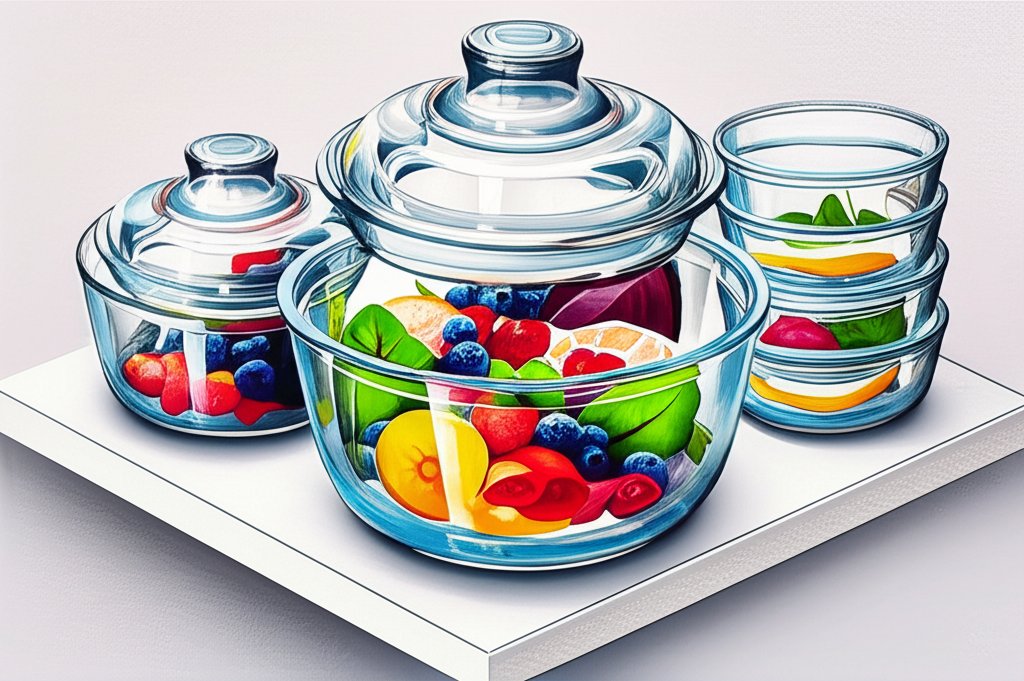
The primary reason to choose glass storage bowls with glass lids is to eliminate any contact between your food and plastic. While many glass containers come with plastic or silicone lids, an all-glass design creates a hermetically pure vessel.
Glass is non-porous and non-reactive. This means:
- No Flavor or Odor Transfer: The lingering aroma of last week’s curry won’t infuse today’s delicate quinoa salad. The glass and its lid remain neutral, preserving the intended taste of your food.
- No Staining: Acidic foods like tomato sauce, turmeric-rich curries, or vibrant beet salads can permanently discolor plastic. A glass surface, including the lid, wipes clean every time, looking brand new for years.
- Zero Chemical Leaching: While many modern plastics are BPA-free, concerns about other potential endocrine disruptors remain. An all-glass environment completely removes this variable, offering total peace of mind, especially when reheating food.
Think of it as the difference between storing wine in a glass bottle versus a plastic pouch. The glass preserves the vintner’s intended flavor profile perfectly, while other materials can subtly alter it over time. The same principle applies to your leftovers.
Understanding the Lid: Not All Glass Lids Are Created Equal

The most critical—and often misunderstood—feature of these bowls is the lid itself. The design of the lid and its fit determines the container’s primary function. There are two main categories you’ll encounter.
Type 1: The Simple, Tight-Fitting Glass Lid
This is the classic design, often seen in casserole dishes and baking ware. The lid is simply a molded piece of glass that rests on the rim of the bowl, using its own weight to create a seal.
- Best For: Reheating, baking, and general refrigerator storage where a perfect airtight seal isn’t critical. They are excellent for preventing splatters in the microwave or oven.
- Reality Check: These are not leak-proof. If you tilt the container, liquids will escape. The seal is good for maintaining humidity and freshness in the fridge for a few days, but it won’t prevent air exchange as effectively as a gasketed lid.
- Example Scenario: You bake a small chicken pot pie directly in the bowl. You serve from it at the table, and then place the glass lid on top to store leftovers in the fridge. The next day, you can microwave it—lid and all—for a quick lunch.
Type 2: The Glass Lid with a Silicone Seal
To address the airtightness gap, some manufacturers offer a hybrid solution: a glass lid that incorporates a removable silicone gasket or rim.
- Best For: Longer-term storage, transporting food (cautiously), and keeping moisture-sensitive items like salads crisp. The silicone seal creates a much more robust barrier against air and moisture.
- Reality Check: While vastly more airtight than a simple glass-on-glass seal, they may not be as completely leak-proof as a four-sided locking plastic lid. The seal also introduces another material that needs to be removed and cleaned separately to prevent mold growth.
- Example Scenario: You’ve made a large batch of bean salad for a picnic. A bowl with a silicone-sealed glass lid will keep it fresh and prevent the dressing from leaking, provided the container is kept relatively level during transport.
Here’s a simple breakdown:
| Feature | Simple Glass Lid | Glass Lid with Silicone Seal |
| :— | :— | :— |
| Airtightness | Low | High |
| Leak-Proof | No | Moderately (Not for liquids) |
| Purity | 100% Glass Contact | 99% Glass (Silicone gasket) |
| Cleaning | Easiest (One piece) | Requires removing/cleaning seal |
| Best Use Case | Baking, serving, short-term fridge | Meal prep, longer-term fridge |
The Ultimate Workflow: From Hot Oven to Cold Storage
This is where glass storage bowls with glass lids truly shine. Their ability to handle extreme temperature changes—a key property of the borosilicate glass they are typically made from—unlocks a seamless kitchen workflow. The material’s resilience is a core topic we cover in our comprehensive Borosilicate glass storage guide.
Imagine this streamlined process for making a shepherd’s pie:
- Prep & Bake: You assemble the pie directly in the glass bowl. The entire unit—bowl and lid—can go into a preheated oven. Using the lid during the initial baking phase helps steam the contents and prevents the top from burning.
- Serve: The bowl is attractive enough to go directly from the oven to the dinner table, functioning as a serving dish. No need to transfer to a separate platter.
- Store: Once it cools, you simply place the same glass lid back on and move the entire container into the refrigerator. There are no extra dishes to wash and no need for plastic wrap.
- Reheat: The next day, the bowl goes straight from the fridge into the microwave or oven for reheating. The glass lid can be placed on top to prevent splatters and ensure even heating.
This single-vessel approach not only saves time and reduces dishwashing but also minimizes food waste by making leftovers incredibly easy to manage.
Practical Considerations for Everyday Use
While the benefits are significant, it’s important to have a realistic understanding of what it’s like to use these bowls day-to-day.
Weight and Durability
There’s no getting around it: glass is heavier than plastic. A set of nested glass bowls has a satisfying heft but can be cumbersome, especially for those with mobility or strength limitations. However, that weight comes with immense durability. Unlike plastic that scratches and warps, a quality borosilicate glass bowl can last a lifetime if cared for properly. The primary risk is chipping or shattering from a direct impact, so handle them with the same care you would any other glass cookware.
Stacking and Cabinet Space
The stackability of glass storage bowls with glass lids varies by brand. Some designs feature lids with a raised rim, allowing bowls of the same size to stack securely. Others have domed lids that make stacking impossible. Before investing in a large set, consider your cabinet space. Look for designs where the lids can be inverted for nesting or where the bowls themselves nest tightly to maximize storage efficiency.
The Thermal Expansion “Stuck Lid” Phenomenon
A common user frustration is a glass lid getting “stuck” after refrigeration. This happens due to thermal contraction. When you place hot food in the bowl and immediately seal it with the lid, the air inside cools and contracts, creating a powerful vacuum.
How to Prevent It: Always let food cool down to at least room temperature before placing the lid on for refrigeration or freezing.
How to Fix It: If a lid is stuck, do not pry it off with a knife. Instead, run warm water over the lid for a minute. This will cause the lid to expand slightly, releasing the vacuum seal.
Quick Answers to Common Questions
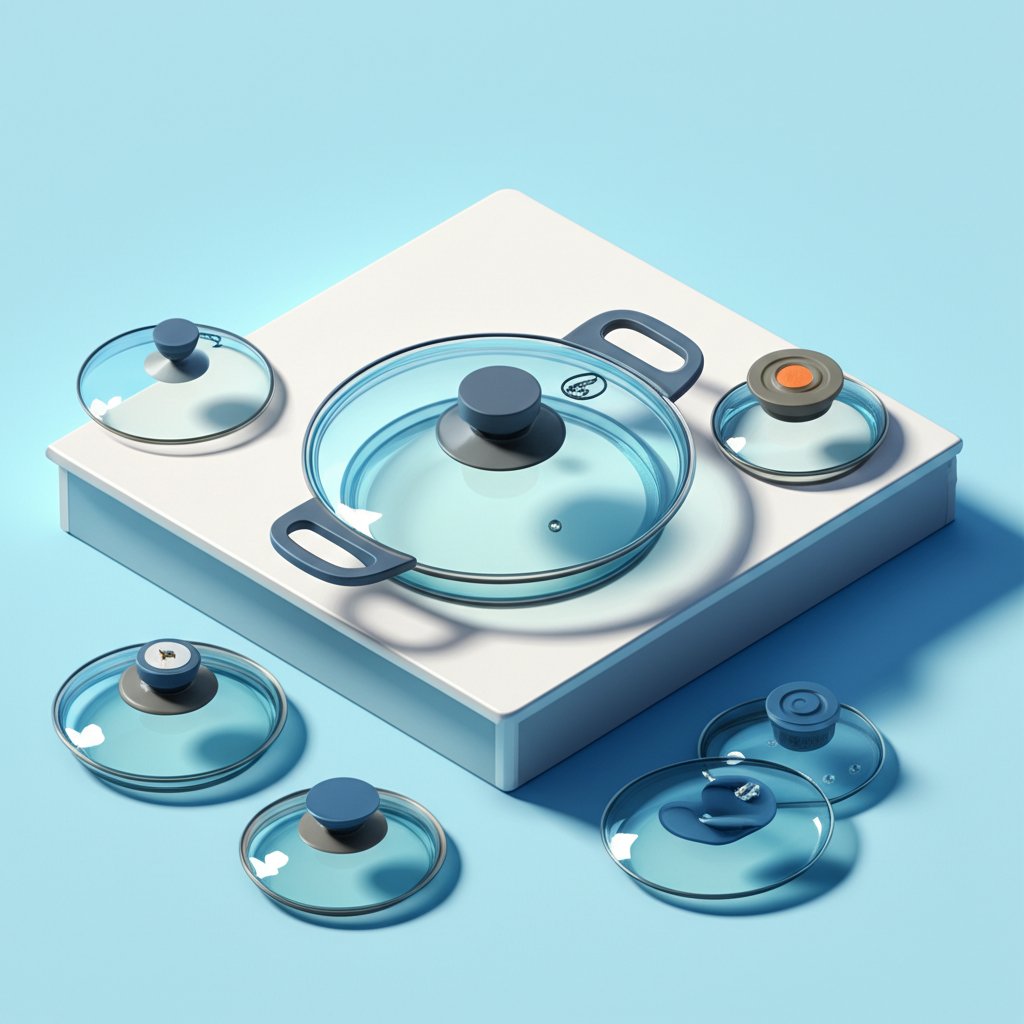
Here are some rapid-fire answers to the most frequent questions about glass storage bowls with glass lids.
Q: Are glass storage bowls with glass lids truly leak-proof?
A: Generally, no. A simple glass-on-glass seal is not designed to be leak-proof and should not be used for transporting soups or liquids. Models with a silicone gasket offer much better resistance to leaks but may not be as secure as a four-point locking lid system. It’s best to think of them as highly airtight, not fully waterproof.
Q: Can both the bowl and the lid go in the oven and microwave?
A: Yes, for most models made of borosilicate glass. This is one of their biggest selling points. You can bake, store, and reheat in the same container. However, always check the manufacturer’s instructions. Avoid moving a bowl directly from the freezer to a hot oven, as even borosilicate glass has its limits for extreme thermal shock.
Q: What’s the main difference between borosilicate and soda-lime glass?
A: Borosilicate glass contains boric oxide, which gives it superior thermal shock resistance. It can handle rapid temperature changes without cracking. Soda-lime glass is the standard glass used for drinking glasses and jars; it’s less expensive but more prone to shattering when exposed to sudden temperature shifts. For any container you plan to use in the oven or move between the fridge and microwave, borosilicate is the far safer and more durable choice.
Q: How do I prevent the rims from chipping?
A: Chipping is the most common form of damage. To prevent it, avoid clanking the bowls against other hard objects in the sink or dishwasher. When storing them, consider placing a thin cloth or paper towel between nested bowls if they don’t have a protective rim. Handle them with care, and they will last for decades.
Your Decision Checklist Before You Buy
Ready to make the switch? Use this simple framework to choose the perfect set of glass storage bowls with glass lids for your home.
- Confirm the Material: Look explicitly for “borosilicate glass” in the product description. This ensures maximum thermal durability for oven and microwave use.
- Assess Your Primary Need—Airtightness vs. Purity:
- If your main goal is baking and reheating, and you value the absolute purity of a 100% glass environment, a simple, tight-fitting lid is perfect.
- If you prioritize meal prepping and keeping food fresh for longer, a glass lid with a silicone seal is the better choice, offering superior airtightness.
- Evaluate the Shape and Size:
- Rectangular bowls are more space-efficient for stacking and organizing in the fridge.
- Round bowls are great for mixing, serving, and even heating, as microwaves cook more evenly in a circular shape.
- Ensure the set includes a variety of sizes that match your typical portion needs.
- Check for Stacking Design: Look at product photos to see how the bowls and lids nest or stack. A well-designed set will save you precious cabinet real estate.
The Clear Choice for a Cleaner Kitchen
Switching to glass storage bowls with glass lids is more than just an organizational upgrade; it’s a commitment to food purity, flavor integrity, and long-term sustainability. You’re investing in a tool that simplifies your cooking workflow, eliminates concerns about material safety, and keeps your food tasting precisely as it should. By understanding the nuances of lid design and handling them with care, you’ll have a reliable kitchen partner that will serve you well for countless meals to come.

- Easy College Student Meal Prep Ideas for Healthy Budget-Friendly Meals - March 14, 2026
- Meal Prep Ideas for College Students for Easy, Healthy Meals - March 12, 2026
- Easy Cold Meal Prep Ideas for No-Microwave Lunches on the Go - March 11, 2026