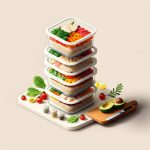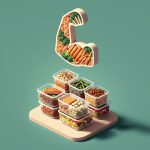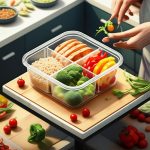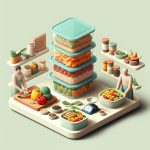
The dreaded midday lunch slump. It’s 12:30 PM, your stomach is rumbling, and your options are a sad, expensive salad or a greasy takeout order that will leave you feeling sluggish. This daily dilemma is exactly why easy meal prep bowls have become a secret weapon for busy, health-conscious people. They aren’t just a trend; they are a simple, sustainable system for eating well without dedicating your life to the kitchen.
Imagine opening your fridge on a hectic Wednesday to find a vibrant, delicious, and perfectly portioned lunch ready to go. No decisions, no cooking, no cleanup. Just a satisfying meal that aligns with your goals. That’s the power of a well-planned bowl.
At a Glance: Your Quick Guide to Mastering Meal Prep Bowls
This guide will walk you through the practical steps to make meal prep bowls a staple in your routine. Here’s what you’ll learn:
- The 4-Part Formula: Master the simple “Base + Protein + Veggies + Sauce” framework for building endless balanced bowl combinations.
- Freshness Secrets: Discover the simple techniques pros use to keep ingredients crisp and appealing for up to four days.
- Three Fail-Proof Templates: Get starter blueprints for chicken, vegan, and low-carb bowls that you can customize immediately.
- The Common Pitfalls (and How to Avoid Them): Learn to dodge the mistakes that lead to soggy salads and boring meals.
- Smart Storage Strategies: Understand why the way you layer your bowl is just as important as the ingredients you choose.
The Simple Anatomy of a Perfect Meal Prep Bowl
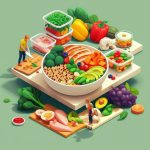
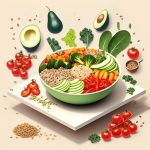
The beauty of a meal prep bowl lies in its structure. It’s less of a rigid recipe and more of a flexible formula. By understanding the four core components, you can mix and match ingredients based on what’s in season, on sale, or simply what you’re craving.
1. Start with a Solid Foundation (Your Base)
The base provides sustained energy and makes your bowl feel like a complete meal. It absorbs the flavors from your other ingredients and sauce, creating a satisfying foundation.
- Whole Grains: Brown rice, quinoa, and farro are fantastic choices. They are packed with fiber, hold up well in the fridge, and can be cooked in large batches. A cup of dry quinoa, for example, yields about three cups cooked—enough for several bowls.
- Complex Carbs: Roasted sweet potatoes (diced) or couscous (which cooks in just 5 minutes) offer different textures and flavor profiles.
- Low-Carb Options: For a lighter, low-carb approach, use a bed of fresh spinach or kale, spaghetti squash, or cauliflower rice.
2. Pick Your Protein Powerhouse
Protein is crucial for satiety, helping you stay full and focused throughout the afternoon. Cook your protein with simple seasonings, as the sauce will add the main flavor punch later.
- Poultry: Diced or shredded chicken breast is a lean, versatile classic. Bake a few breasts seasoned with salt, pepper, and garlic powder at 400°F (200°C) for 20–25 minutes.
- Plant-Based: Roasted chickpeas, marinated baked tofu, or tempeh are excellent vegan options. For a super-fast choice, simply drain and rinse a can of black beans or chickpeas.
- Beef & Pork: Lean ground beef, turkey, or pork can be quickly browned in a skillet with your favorite spices. Flank steak, sliced thin, also works beautifully.
3. Add Color and Nutrients with Vegetables
This is where you load up on vitamins, minerals, and texture. A mix of cooked and raw veggies keeps things interesting.
- Roasted & Hardy: Broccoli florets, bell pepper strips, diced sweet potatoes, and Brussels sprouts become sweet and tender when roasted. They hold their texture well for days.
- Fresh & Crunchy: Shredded carrots, diced cucumbers, cherry tomatoes, and thinly sliced red onions add a bright, crisp contrast. It’s often best to add these just before serving if you can, but they’ll hold up for a day or two in the bowl.
4. Tie It All Together with a Flavorful Sauce
The sauce is the magic ingredient that transforms your bowl from a collection of components into a cohesive, crave-worthy meal. Always store your sauce separately in a small container to prevent everything from getting soggy.
- Creamy: Greek yogurt-based tzatziki, hummus, or a simple sriracha mayo.
- Vinaigrettes: A classic balsamic, lemon-tahini, or a zesty cilantro-lime dressing.
- Global Flavors: Thai peanut sauce, teriyaki glaze, or a simple salsa.
This basic formula is the foundation for creating countless easy meal prep bowls. Once you’ve mastered it, you can explore more specific combinations. Get simple weight loss recipes that put this framework into delicious action.
Your Weekly Bowl Rotation: Three Easy Meal Prep Bowl Ideas to Start
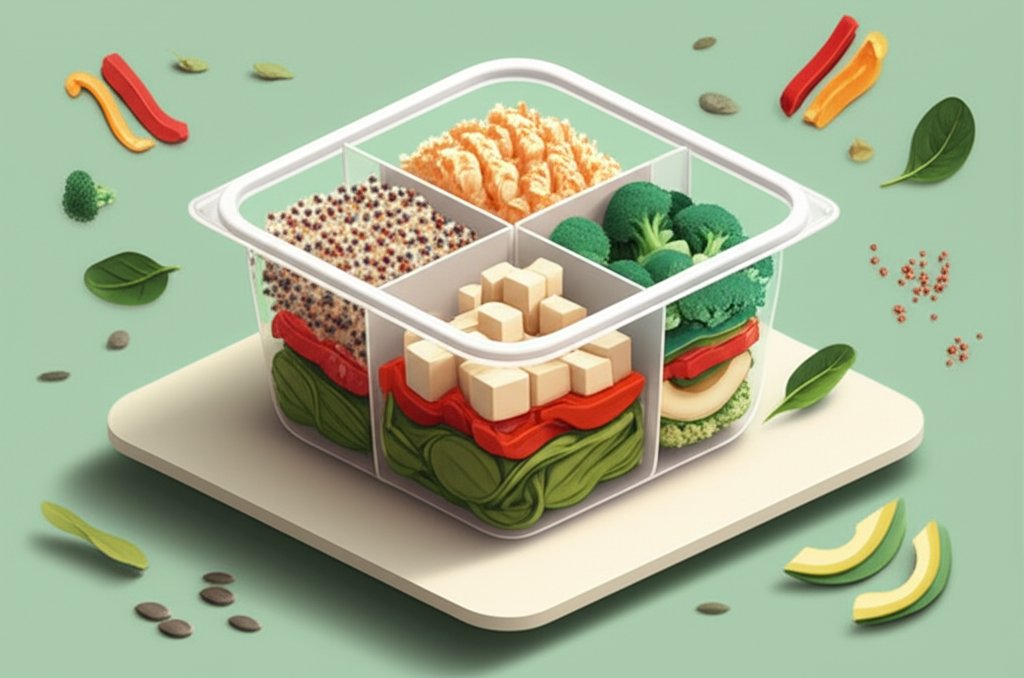
Theory is great, but seeing it in action is better. Here are three distinct bowl templates—one chicken, one vegan, one low-carb—that demonstrate the framework. Use these as-is or as inspiration for your own creations.
For a Taste of the Mediterranean: The Greek Chicken Bowl
This bowl is light, refreshing, and packed with classic flavors. It’s fantastic eaten cold, making it perfect for lunches where you don’t have access to a microwave.
- Base: 1/2 cup cooked quinoa or farro.
- Protein: 4 oz grilled chicken breast, diced and seasoned with oregano, garlic, and lemon.
- Veggies: A handful of cherry tomatoes (halved), sliced cucumber, and a sprinkle of red onion.
- Sauce (on the side): 2 tablespoons of tzatziki sauce.
- Finisher (add day-of): A few kalamata olives and a crumble of feta cheese.
For a Plant-Based Power Lunch: The Deconstructed Vegan Sushi Bowl
Get all the flavor of your favorite sushi roll without the hassle of rolling. This bowl is vibrant, nutrient-dense, and incredibly satisfying.
- Base: 1/2 cup cooked brown rice, seasoned with a splash of rice vinegar.
- Protein: 1/2 cup of shelled edamame and 3 oz of marinated baked tofu (try a sriracha or teriyaki marinade).
- Veggies: Shredded carrots, sliced cucumber, and a few slices of fresh avocado (add this in the morning).
- Sauce (on the side): A mix of soy sauce (or tamari), a dot of wasabi, and a drizzle of sriracha mayo.
- Finisher (add day-of): A sprinkle of sesame seeds.
For a Low-Carb, High-Flavor Meal: The “Egg Roll in a Bowl”
This recipe delivers all the savory goodness of an egg roll without the wrapper. It’s a one-pan wonder that comes together in under 20 minutes and is perfect for a low-carb or keto approach.
- Base: 1 cup of coleslaw mix (shredded cabbage and carrots).
- Protein: 4 oz ground pork or turkey, cooked with minced garlic, ginger, and a tablespoon of soy sauce.
- Veggies: The coleslaw mix is cooked directly with the protein until just tender-crisp.
- Sauce (on the side): A drizzle of hoisin sauce or spicy mayo.
- Finisher (add day-of): Toasted sesame oil and freshly sliced green onions.
The Meal Prep Pro’s Playbook: Keeping It Fresh and Fast
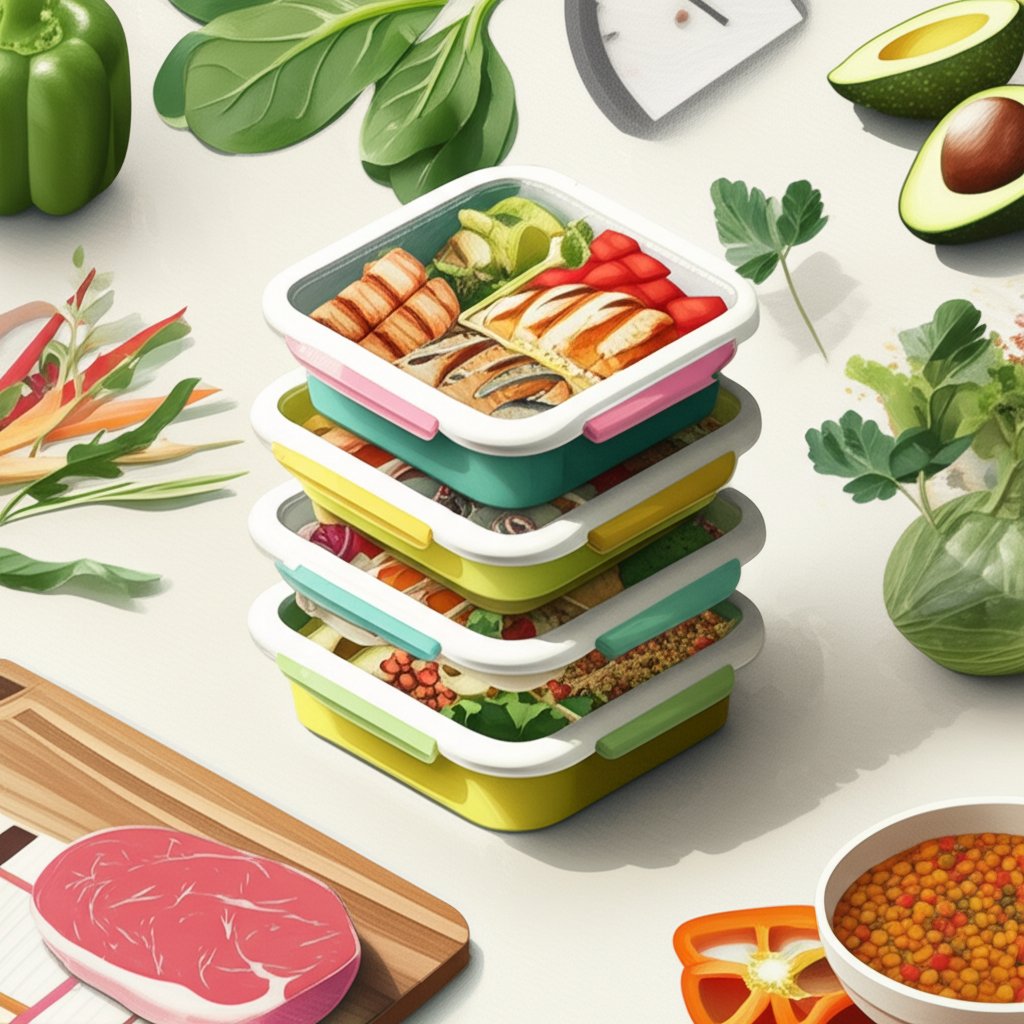
The success of your easy meal prep bowls hinges on a few key techniques. Nailing the prep and storage process ensures your Thursday lunch is just as delicious as your Monday one.
The Golden Rule: Keep Wet and Dry Ingredients Separate
This is the single most important principle. Soggy food is unappealing. The enemy of a crisp, fresh bowl is premature moisture.
- Sauce on the Side: Always pack dressings and sauces in a separate, leak-proof container. You can find tiny reusable condiment cups online or at most grocery stores.
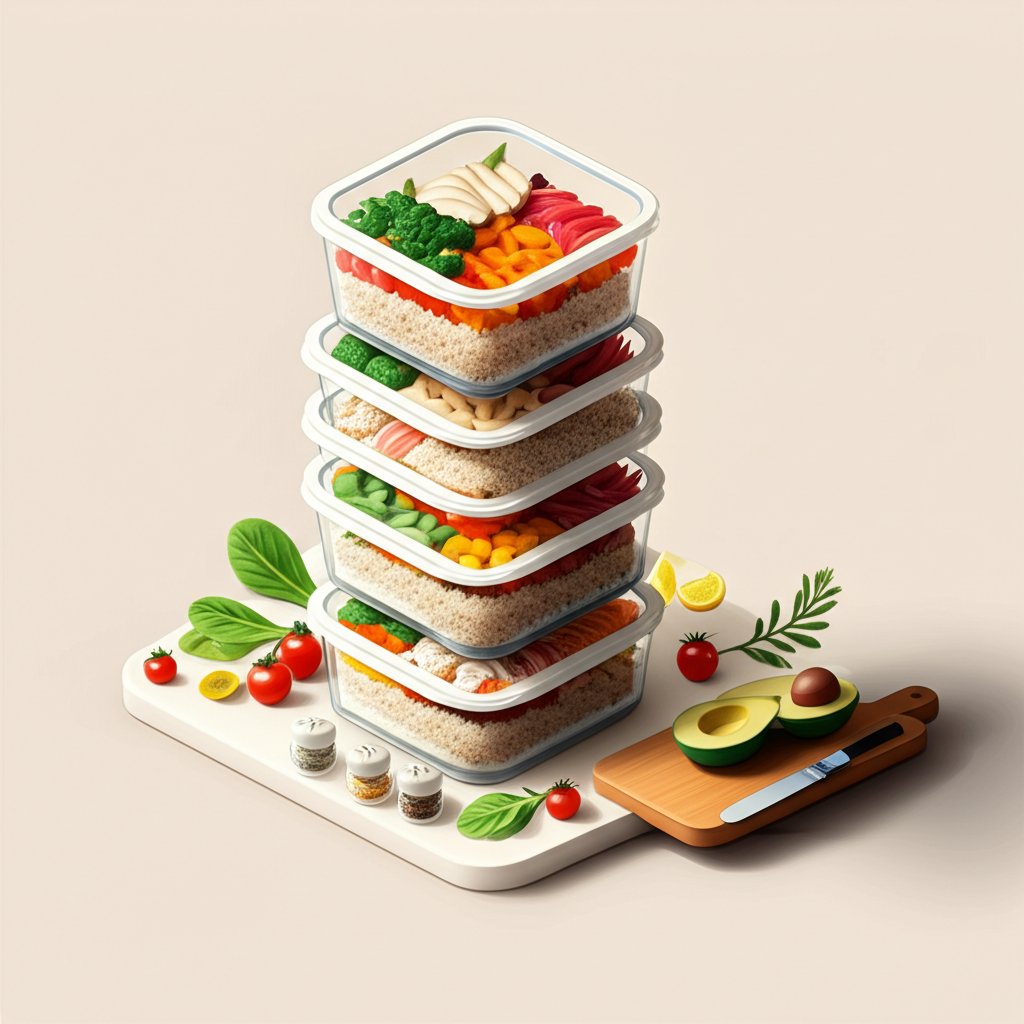
- Strategic Layering: If you must combine ingredients, build your bowl like a mason jar salad. Place the heartiest, non-absorbent ingredients at the bottom (grains, chickpeas) and delicate greens or crunchy toppings on the very top.
Your 4-Day Freshness Checklist
Follow this simple timeline for maximum quality and food safety. Most meal prep bowls are best consumed within four days of preparation.
| Day | Action | Why It Matters |
|---|---|---|
| Day 0 (Prep Day) | Cook grains. Cook proteins. Roast sturdy veggies (broccoli, sweet potato). Whisk dressings. | Batching tasks saves massive amounts of time. You cook once for multiple meals. |
| Storage | Assemble bowls by layering: base, protein, cooked veggies, and finally fresh veggies/greens on top. | This “upside-down” layering protects delicate ingredients from moisture. |
| Day of Eating | Add your separate sauce container to your lunch bag. Pack any “last-minute” toppings. | This ensures maximum freshness and texture. Think avocado, fresh cilantro, nuts, or seeds. |
| Enjoy! | Drizzle sauce, add toppings, and mix everything together just before eating. | The final combination creates the perfect flavor and texture experience. |
Choose the Right Container
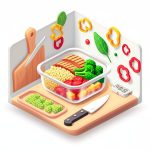
Your container is your most valuable piece of equipment. Invest in a few good ones.
- Glass vs. Plastic: Glass containers are a fantastic choice. They don’t stain or retain odors (essential for things like curry or tomato sauce), are microwave-safe, and are easy to clean. High-quality, BPA-free plastic is a great lightweight and shatter-proof alternative.
- Airtight is Non-Negotiable: A lid with a silicone seal and locking clips is crucial. It prevents spills in your bag and, more importantly, keeps air out, which dramatically extends the freshness of your ingredients.
Quick Answers: Your Meal Prep Bowl FAQs
Let’s tackle some of the most common questions and concerns people have when starting with easy meal prep bowls.
How long do meal prep bowls actually last in the fridge?
For most bowls containing cooked grains, proteins, and vegetables, 3 to 4 days is the sweet spot for optimal taste and safety. If you’re using fish or seafood, aim to eat those within 2 to 3 days. Always trust your senses—if something looks or smells off, it’s best to toss it.
Can I freeze my meal prep bowls?
Yes, but selectively. Some components freeze much better than others.
- Freeze Well: Cooked grains (rice, quinoa), cooked chicken, beef, beans, lentils, and sturdy cooked vegetables like corn and peas.
- Don’t Freeze Well: Leafy greens (they wilt), raw crunchy vegetables (cucumber, bell peppers become mushy), and dairy-based sauces (they can separate). A good strategy is to freeze a “base” of grain and protein, then add fresh veggies and sauce after thawing.
Won’t my food get boring by Thursday?
Variety is the key to consistency. You don’t have to eat the exact same thing four days in a row. Try this: prep a neutral base of chicken and quinoa, then use different sauces and “finisher” veggies for each day.
- Monday & Tuesday: Greek Bowl with tzatziki, cucumber, and tomato.
- Wednesday & Thursday: “Burrito” Bowl with salsa, a sprinkle of cheese, and a dollop of Greek yogurt.
Do I eat meal prep bowls hot or cold?
It completely depends on the ingredients! That’s part of their versatility. A Greek-inspired bowl with fresh cucumbers is best cold. A Firecracker Chicken or Mongolian Beef bowl with rice is definitely meant to be heated. When you’re planning your week, consider if you’ll have access to a microwave.
Your First Week of Easy Meal Prep Starts Now
You have the framework and the strategies. The only thing left is to take action. Don’t try to prep seven different complex meals for your first week. Start small, build momentum, and reclaim your lunch break.
Here is your simple plan for this Sunday:
- Pick One Recipe: Decide to make the Greek Chicken Bowl. It’s simple, requires minimal cooking, and is delicious.
- Write Your Shopping List: Chicken breast, quinoa, cherry tomatoes, a cucumber, a red onion, and the ingredients for a simple tzatziki (or just buy a container of it).
- Block 60 Minutes: Set aside one hour. Put the quinoa on to cook. While it simmers, bake or pan-fry the chicken. As those cook, chop your vegetables and whisk together the sauce.
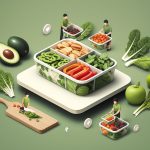
- Assemble and Store: In four separate containers, layer the quinoa, then the chicken, then the veggies. Portion your sauce into four small condiment cups.
That’s it. You’ve just prepared four healthy, delicious, and stress-free lunches. You’ve taken back control of your midday meal, saving time, money, and a whole lot of decision fatigue. Welcome to the smarter way to do lunch.

- Easy Meal Prep Bowls Make Healthy Weekday Lunches Simple And Flavorful - April 13, 2026
- High Protein Lunch Bowls Deliver Easy, Satisfying Meal Prep - April 12, 2026
- Meal Prep Bowl Ideas for Easy, Healthy, Delicious Meals - April 11, 2026