You’ve made the call: it’s time to level up your lunch game. The decision to buy a bento box is the easy part. The hard part? Navigating the endless sea of options, from a dozen different online stores to the quiet corner of a local shop. Where do you even begin to find the container that will transform your midday meal from a chore into a delight?
Getting this choice right means no more squished sandwiches or sad, soggy salads. It means organized, appealing, and healthy meals that save you money and reduce waste. Let’s pinpoint the best places to shop so you can find your perfect match without the guesswork.
At a Glance: Your Bento Buying Roadmap
- Where to Look: We’ll cover the pros and cons of giant online marketplaces, specialty e-commerce sites, big-box retailers, and hidden-gem local stores.
- Online vs. In-Person: Understand when the endless selection of the internet wins out, and when seeing and touching a box in-store is non-negotiable.
- Smart Shopping Tactics: Learn to decode product descriptions, spot red flags in reviews, and ask the right questions before you click “buy.”
- Budget vs. Quality: Discover what to expect at different price points, from a basic $15 plastic box to a $50+ insulated stainless steel powerhouse.
Charting Your Course: Online vs. Brick-and-Mortar
Your first major decision is whether to shop from your couch or hit the pavement. Each path offers distinct advantages and potential pitfalls. Choosing the right one depends on your priorities: variety, speed, price, or the ability to physically inspect the product.
The Digital Aisles: Shopping for Bento Boxes Online
Shopping online offers an unparalleled selection, from basic containers to artisanal Japanese masterpieces. It’s the best route for finding specific features, materials, and designs that local stores might not carry.
Giant Marketplaces (Amazon, eBay): The Endless Shelf
For sheer volume, nothing beats massive online retailers. You can find thousands of bento boxes in every conceivable shape, size, and color.
- Pros: The selection is nearly infinite. Competitive pricing and frequent sales make it budget-friendly, while customer reviews provide real-world feedback on durability and leak-proofing. Filtering tools let you zero in on features like “BPA-free,” “5-compartment,” or “microwave-safe.”
- Cons: The massive choice can be overwhelming. It’s also a breeding ground for low-quality knock-offs with misleading descriptions. You can’t physically assess the quality of the plastic, the sturdiness of the latches, or the heft of the seal.
Case Snippet: Alex, a meal-prepping professional, needed a set of five matching, stackable bento boxes for his weekly work lunches. Local stores only had mismatched single boxes. On Amazon, he filtered for “stackable” and “dishwasher-safe,” read reviews focusing on long-term durability, and found a brand that met his exact needs and budget in under 30 minutes.
Specialty Kitchenware & Japanese Goods Stores: The Curated Collection
Websites dedicated to high-quality kitchenware (like Williams Sonoma online) or authentic Japanese lifestyle products (like Bokksu Boutique or the Japan Centre) offer a more curated experience.
- Pros: These retailers have already vetted their products for quality and authenticity. You’re more likely to find traditional wooden bento, unique kokeshi doll designs, and high-performance, design-forward brands like Monbento. Customer service is often more knowledgeable.
- Cons: The selection is much smaller and prices are typically higher. You’re paying a premium for curation and quality assurance.
Direct from the Brand: The Guaranteed Authentic
Popular bento brands like Bentgo, OmieBox, and Takenaka often sell directly to consumers through their own websites.
- Pros: You are guaranteed an authentic product and can access the brand’s full warranty and customer support. This is also the first place to find new releases or exclusive colors.
- Cons: You lose the ability to comparison shop. Prices are almost always full retail, and you won’t see a consolidated list of reviews from different retailers.
Before you get lost in the digital aisles, it helps to have a clear picture of what you need. Understanding the core differences in materials, shapes, and features is your most powerful tool. If you’re still deciding between stainless steel insulation and microwave-safe plastic, our complete guide can help you Find your ideal bento box.
Hitting the Pavement: Where to Buy Bento Boxes in Person
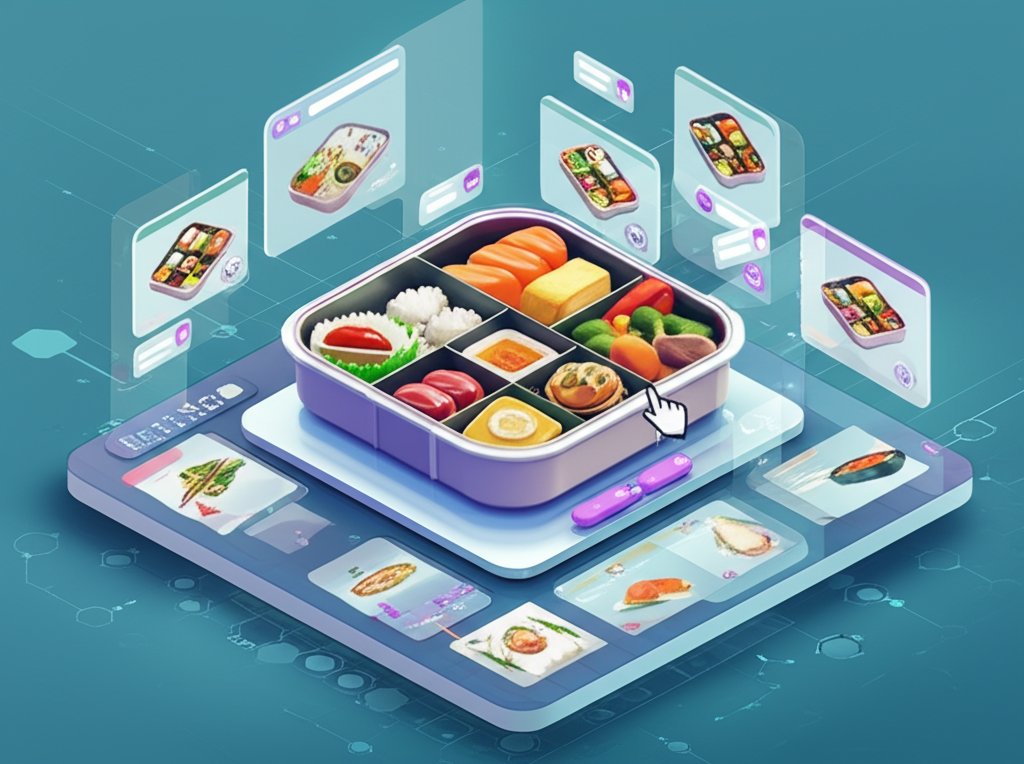
Sometimes, you just need to hold it in your hands. Shopping in a physical store allows you to check the seals, feel the material, and confirm the actual size and color.
Big-Box Retailers (Target, Walmart): The Convenient Stop
These stores are fantastic for accessibility and immediate gratification. You can grab a bento box during your regular shopping trip.
- Pros: You can see, touch, and open the box before you buy. It’s the fastest way to get one, and returns are typically hassle-free.
- Cons: The selection is usually very limited, consisting mainly of basic, kid-focused plastic models. You’re unlikely to find specialized materials like insulated stainless steel or traditional Japanese designs.
Home Goods & Kitchen Stores (Crate & Barrel, Sur La Table): The Premium Pick
High-end kitchen stores are a great place to find premium, adult-oriented lunch containers.
- Pros: Staff are generally knowledgeable and can speak to the quality of materials like 18/8 stainless steel or borosilicate glass. The products they carry are built to last.
- Cons: Prices are high, and the focus is often on Western-style “food containers” rather than true compartmentalized bento boxes. The aesthetic is typically minimalist and modern.
Asian Supermarkets & Cultural Centers: The Hidden Gems
For an authentic find, your local H Mart, Mitsuwa, or other large Asian grocery store is a treasure trove.
- Pros: This is where you’ll discover unique, imported bento boxes you won’t see anywhere else, often at surprisingly low prices. You can also find accessories like furoshiki wrapping cloths, chopsticks, and decorative food picks.
- Cons: The selection can be unpredictable. Product information might be limited or not in English, so you’ll need to rely on a visual inspection to assess quality.
Your Pre-Purchase Checklist: 5 Questions to Ask Before You Buy
Whether online or in-store, asking these five questions will prevent buyer’s remorse and ensure you get a bento box you’ll actually use.
- Who is this for and what will they eat? A kindergartener needs easy-to-open latches and small compartments for grapes and crackers. An adult carrying soup and a salad needs a larger capacity and a guaranteed leak-proof seal for the main compartment.
- How critical is leak-proofing? If you’re packing anything with liquid—dressings, yogurt, sauces, stews—a robust silicone seal is non-negotiable. For dry items like sandwiches, nuts, and fruit, a simple clasp lid will suffice.
- What’s my cleaning tolerance? Most plastic and stainless steel bento boxes are top-rack dishwasher safe, but their silicone seals may last longer with hand-washing. A traditional wooden bento box is strictly hand-wash only and requires occasional oiling. Be honest about how much effort you’re willing to put in.
- Will it need to be microwaved? This is a simple yes/no that instantly narrows your options. If the answer is yes, you must choose a microwave-safe, BPA-free plastic box. Metal and wood are completely out.
- Does it physically fit my life? Check the dimensions! A tall, stacked bento might be perfect for a tote bag but impossible to fit in a flat briefcase. Ensure it will slide easily into the lunch bag or backpack it’s destined for.
Decoding Product Listings: Reading Between the Lines
When shopping online, you are at the mercy of the product description. Learn to spot the difference between helpful specifics and vague marketing fluff.
| Feature to Check | What to Look For | Red Flag |
|---|---|---|
| Material | “BPA-free polypropylene,” “18/8 food-grade stainless steel” | Vague terms like “eco-friendly plastic” or “durable material” |
| Seal | “Airtight and leak-proof silicone seal” | “Secure lid” or “snap-tight closure” (may not be leak-proof) |
| Capacity | Specific volume in milliliters (mL) or ounces (oz) | “Large,” “for adults,” or “perfect portion size” (all subjective) |
| Reviews | Patterns in 3- and 4-star reviews (e.g., “latch broke after 3 months”) | A perfect 5.0 score with only generic, short reviews |
| Microwave/Dishwasher | “Microwave safe (without lid),” “Top-rack dishwasher safe” | No mention of these features at all (assume it’s not safe) |
Quick Answers to Common Bento Buying Questions
Q: Are expensive bento boxes worth it?
A: It depends entirely on your needs. A higher price often buys you superior materials like insulated stainless steel that keeps food hot for hours, or durable, long-lasting seals from a reputable brand. However, for packing a simple sandwich and some dry snacks, a well-made, budget-friendly plastic box is perfectly adequate.
Q: What’s the best place to buy a bento box for a kid?
A: Online marketplaces like Amazon and dedicated brand sites like Bentgo offer the widest variety of kid-friendly designs, fun colors, and crucial features like easy-to-open latches. For seeing them in person, big-box stores like Target are your best bet.
Q: Can I find authentic Japanese bento boxes in the US?
A: Absolutely. The best places to look are specialty online stores that import Japanese lifestyle goods or the housewares aisle of large Asian supermarkets in metropolitan areas. These spots often carry both modern Japanese brands and traditional styles you won’t find elsewhere.
Q: How do I avoid buying a low-quality bento box online?
A: Be a review detective. Ignore the 5-star and 1-star reviews and focus on the 3- and 4-star comments—they often provide the most balanced and honest feedback. Look for clear product specifications (materials, dimensions, capacity in mL/oz) and prioritize buying from established brands or sellers with a long history of positive feedback.
From Shopper to Packer: Your Next Step
Your perfect bento box is out there, waiting to revolutionize your lunch routine. The key is to match your shopping destination to your priorities.
Here’s a simple decision-making guide:
- If you need the most options and best prices: Start your search on a large online marketplace like Amazon, but be prepared to vet products and reviews carefully.
- If you want guaranteed quality or an authentic design: Go directly to a brand’s website or a specialty Japanese goods store.
- If you need a bento box today: Head to your local Target, Walmart, or home goods store.
- If you want to keep food hot or cold: Focus your search on brands known for insulated stainless steel models, which you’ll most easily find online.
By knowing where to look and what to look for, you can confidently buy a bento that will serve you delicious, organized, and healthy meals for years to come. Happy hunting

- Delicious Meal Prep Cold Meals Ready to Grab and Go - March 10, 2026
- Cold Meal Prep Makes Healthy, Stress-Free Lunches Easy - March 9, 2026
- Meal Prep Ideas for Healthy Eating Throughout Your Busy Week - March 8, 2026