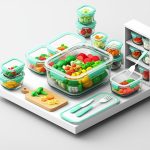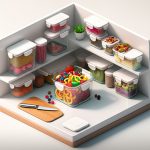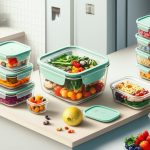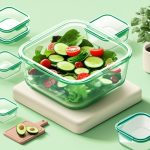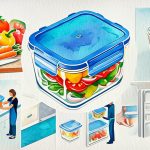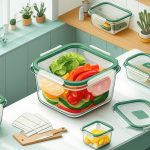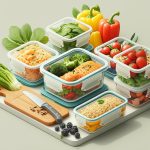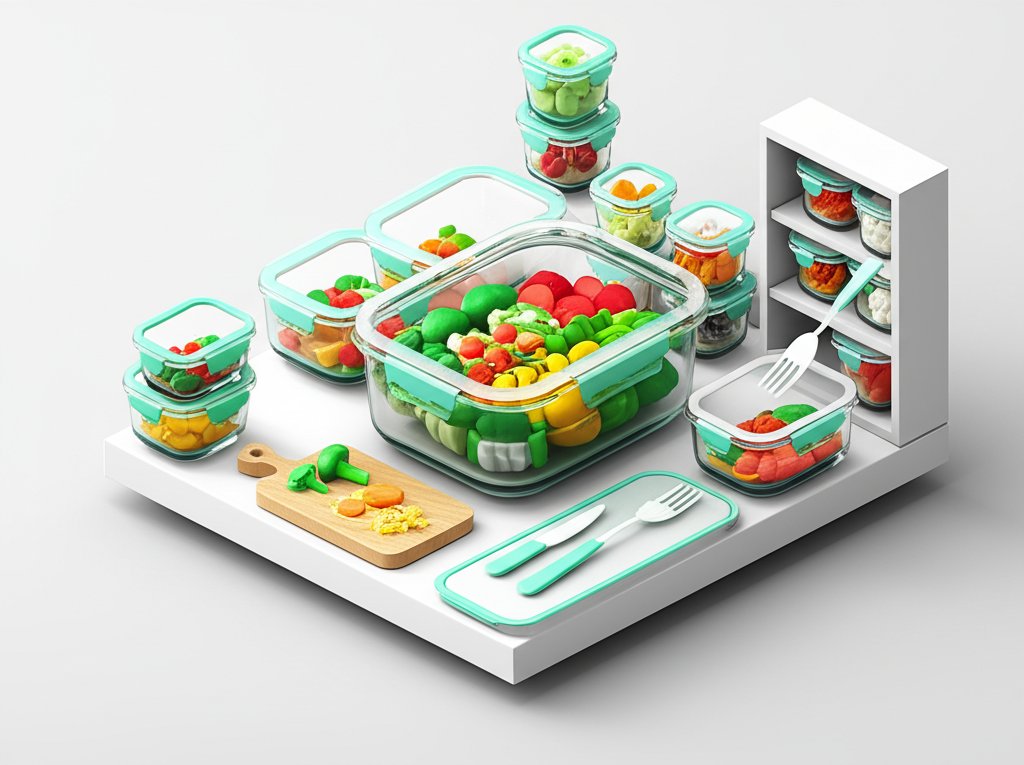
You pull last night’s delicious leftovers from the fridge, ready for a quick lunch, but dread the next step. You either have to transfer the food from a warped plastic container to a real plate or risk microwaving in a container that might leach chemicals. High-quality borosilicate glass food containers eliminate this entire frustrating dance. They move seamlessly from freezer to oven to table, keeping your food pure, fresh, and ready when you are.
This isn’t just another kitchen gadget; it’s a fundamental upgrade to how you store, reheat, and serve your meals.
At a Glance: What to Know Before You Buy
- Thermal Shock Resistance: Borosilicate glass can handle rapid temperature changes that would shatter normal glass, making it safe to go from the refrigerator to a pre-heated oven.
- Purity of Taste: Unlike plastic, glass is non-porous and non-reactive. Your food tastes like food, not like the ghost of last week’s spaghetti sauce.
- The Lid Matters Most: The quality of the container is only half the story. The lid’s material, seal, and venting system determine whether it’s truly leak-proof and convenient.
- Strategic Sizing is Key: Building a functional collection isn’t about having the most containers; it’s about having the right sizes for your specific needs, from single-serving lunches to family-sized batches.
- Durability and Longevity: While not unbreakable, borosilicate glass resists scratches, stains, and warping, offering a significantly longer lifespan than plastic alternatives.
Why Your Old Glass Containers Crack (and These Won’t)
Ever taken a glass dish from the fridge and had it crack when you placed it on a warm counter or put hot food in it? That’s thermal shock. Most standard glassware, known as soda-lime glass, expands and contracts rapidly and unevenly when its temperature changes, causing stress that leads to shattering.
Borosilicate glass food containers are engineered to solve this exact problem. By adding boron trioxide to the glass mixture during manufacturing, the final product has a much lower coefficient of thermal expansion. In simple terms, it doesn’t react as dramatically to temperature swings. This is the same science that makes laboratory beakers and classic Pyrex bakeware so resilient. This core durability is what makes high-quality Borosilicate glass storage such a reliable foundation for any modern kitchen.
Beyond its thermal toughness, this type of glass is also non-porous. It won’t absorb odors, flavors, or stains from foods like tomato sauce, turmeric, or beets. Your container will be as clean and clear after 100 uses as it was on day one, ensuring the chili you store today doesn’t make tomorrow’s yogurt taste faintly of cumin.
Matching the Container to the Meal: A Strategic Approach
Walking into the store or browsing online, the sheer number of shapes and sizes can be overwhelming. The secret isn’t to buy a massive 24-piece set you’ll never fully use. The goal is to build a curated collection that perfectly matches your lifestyle.
For the Solo Meal Prepper: The Essential Trio
If you’re primarily packing lunches for yourself or storing leftovers for one, you can cover most of your needs with just three core containers.
- The Snack Packer (1-2 cups / 8-16 oz): Perfect for yogurt, nuts, chopped fruit, or side sauces. Its small size prevents you from having to carry a mostly-empty large container.
- The Lunch Hero (3-4 cups / 24-32 oz): This is your daily workhorse. It’s the ideal size for a hearty salad, a grain bowl, or a portion of pasta.
- The Batch Cook’s Friend (6-8 cups / 48-64 oz): Use this for storing a few servings of soup, chili, or a main protein that you can portion out over a few days.
For the Family Organizer: Stacking and Volume
Managing a family’s food storage requires thinking about efficiency in the fridge and freezer.
- Go Rectangular: While round containers are classic, rectangular and square shapes are far more space-efficient. They stack neatly without wasted air-gaps, creating tidy, accessible rows in your refrigerator.
- Embrace Large Formats: Invest in one or two large, casserole-style borosilicate dishes (9×13 or similar). These are champions of “cook, serve, and store.” You can bake a lasagna, serve it on the table, and then snap a lid on the leftovers—all in one dish.
- Divided by Design: For kids’ lunches or adults who don’t like their food to touch, divided borosilicate containers are brilliant. They allow you to pack a main, a side, and a fruit in separate compartments within a single, easy-to-carry container.
Don’t Overlook the Lid: Your Seal of Freshness
A world-class glass base is useless without a high-performance lid. The lid is responsible for preventing leaks, maintaining freshness, and making the container easy to use. Lids are not a one-size-fits-all feature; the right choice depends on how you’ll use the container.
Here’s a quick breakdown of the most common lid types:
| Lid Type | Pros | Cons | Best For |
|---|---|---|---|
| Snap-Lock Plastic (BPA-Free) | Creates an airtight and leak-proof seal; very secure for transport; durable. | Hinges can wear out over years; can be stiff to close when new. | Soups, stews, saucy dishes, and anything you’re transporting. |
| Bamboo / Wood | Aesthetically pleasing; plastic-free; great for pantry organization. | Not airtight or leak-proof; requires hand-washing; can warp with moisture. | Dry goods like pasta, rice, and nuts; serving directly on the table. |
| Press-on Silicone | Flexible and easy to use; often oven and microwave safe (check specs). | Seal is not as secure as snap-lock; not typically leak-proof. | Storing leftovers in the fridge; reheating in the microwave or oven. |
The Vent Question: To Vent or Not to Vent?
Many snap-lock lids now come with a small silicone vent you can pop open. This is a game-changing feature for anyone who microwaves leftovers. By opening the vent, you allow steam to escape during reheating. This prevents two common problems:
- Pressure Buildup: It stops the lid from creating a powerful vacuum seal that makes it difficult to open.
- Splatter Guard: It allows you to keep the lid on, containing any food splatters and keeping your microwave clean.
Pro Tip: If your lid doesn’t have a vent, simply unlatch the sides and rest it lightly on top of the container before microwaving. Never microwave a sealed, airtight container.
Your Borosilicate Playbook: From Purchase to Preservation

Using and caring for your containers correctly will ensure they last for years, making them a worthwhile investment.
How to Spot High-Quality Borosilicate Glass
The market is flooded with options, and not all “glass containers” are created equal.
- Read the Description: Reputable brands will proudly state “borosilicate glass” in the product title or description. Be skeptical of vague terms like “durable glass” or “tempered glass.” While tempered glass is strong against impact, it lacks the superior thermal shock resistance of borosilicate.
- Check the Temperature Ratings: Look for clear specifications on oven-safe temperatures. True borosilicate containers are typically rated safe for use in a pre-heated oven up to at least 400°F (204°C), often higher (lids excluded).
- Brand Reputation: Stick with brands known for quality kitchenware. While you might pay a small premium, you’re buying peace of mind and a product that has been rigorously tested.
Care and Maintenance Rules to Live By
- Respect Temperature Extremes: While borosilicate glass is highly resistant to thermal shock, it’s not invincible. Avoid going from one extreme to another instantly. Let a hot dish cool for a few minutes before placing it in the fridge or freezer. Never put a frozen container directly into a hot oven; let it thaw in the fridge first.
- Protect the Lids: The silicone gasket inside a snap-lock lid is critical for its airtight seal. To preserve it, wash lids on the top rack of the dishwasher or, even better, by hand. High-heat drying cycles can degrade the gasket over time.
- Nest with Care: To prevent chipping, avoid nesting the glass bases directly inside one another. If you need to save space, place a thin dishtowel, paper towel, or a felt separator between each container.
- Tackle Lid Stains: If the silicone seal or plastic lid gets stained by tomato sauce, make a paste of baking soda and water. Apply it to the stain, let it sit for an hour, and then scrub gently.
Frequently Asked Questions About Borosilicate Containers
Q: Are borosilicate glass food containers truly unbreakable?
A: No, they are break-resistant, not unbreakable. Their primary strength is resisting thermal shock. A hard drop onto a tile floor can still cause them to crack or shatter, though they are generally more durable in daily use than standard soda-lime glass.
Q: Can I put the plastic lids in the oven or microwave?
A: Almost never in the oven. The high, dry heat will melt or warp the plastic. For the microwave, always check for a “microwave-safe” symbol. Even then, it’s best practice to simply rest the lid on top without sealing it to allow steam to escape. Never microwave with the lid fully latched.
Q: Is borosilicate glass better than tempered soda-lime glass for food storage?
A: For all-around kitchen versatility, yes. Tempered glass is strengthened to resist impact and, if it breaks, shatters into small, pebble-like pieces. However, it is still vulnerable to thermal shock and can “explode” if its temperature changes too rapidly. Borosilicate glass is specifically engineered to handle those temperature changes, making it the safer, more reliable choice for freezer-to-oven cooking and fridge-to-microwave reheating.
Q: Why do borosilicate containers cost more?
A: The manufacturing process is more complex and energy-intensive. The raw materials, including boron trioxide, and the higher melting temperatures required contribute to a higher production cost. You are paying for a premium material that delivers superior performance, safety, and longevity.
Your Next Step: Starting Your Borosilicate Collection
Switching to borosilicate glass food containers is more than just an organizational win; it’s a commitment to fresher food, a healthier home, and a more sustainable kitchen. You eliminate the worries of plastic-related chemicals, put an end to stained and warped containers, and gain the unmatched convenience of a single dish that can handle almost any task.
If you’re ready to start but feel overwhelmed, begin with a simple, high-impact trio. Purchase a set of three rectangular containers in varying sizes—a small (approx. 1.5 cups), a medium (approx. 3.5 cups), and a large (approx. 6 cups). This small investment will immediately cover 80% of your daily meal prep and leftover needs, demonstrating just how practical and powerful this kitchen upgrade can be.

- Borosilicate Glass Food Containers Keep Meals Fresh and Organized - January 26, 2026
- Choosing Glass Containers With Snap Lids for Fresh Food Storage - January 25, 2026
- Borosilicate Containers Keep Food Fresh and Your Kitchen Organized - January 24, 2026