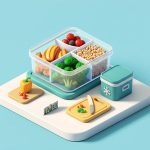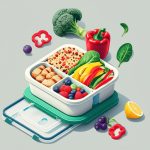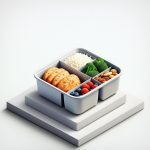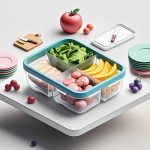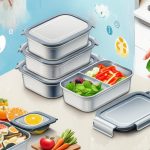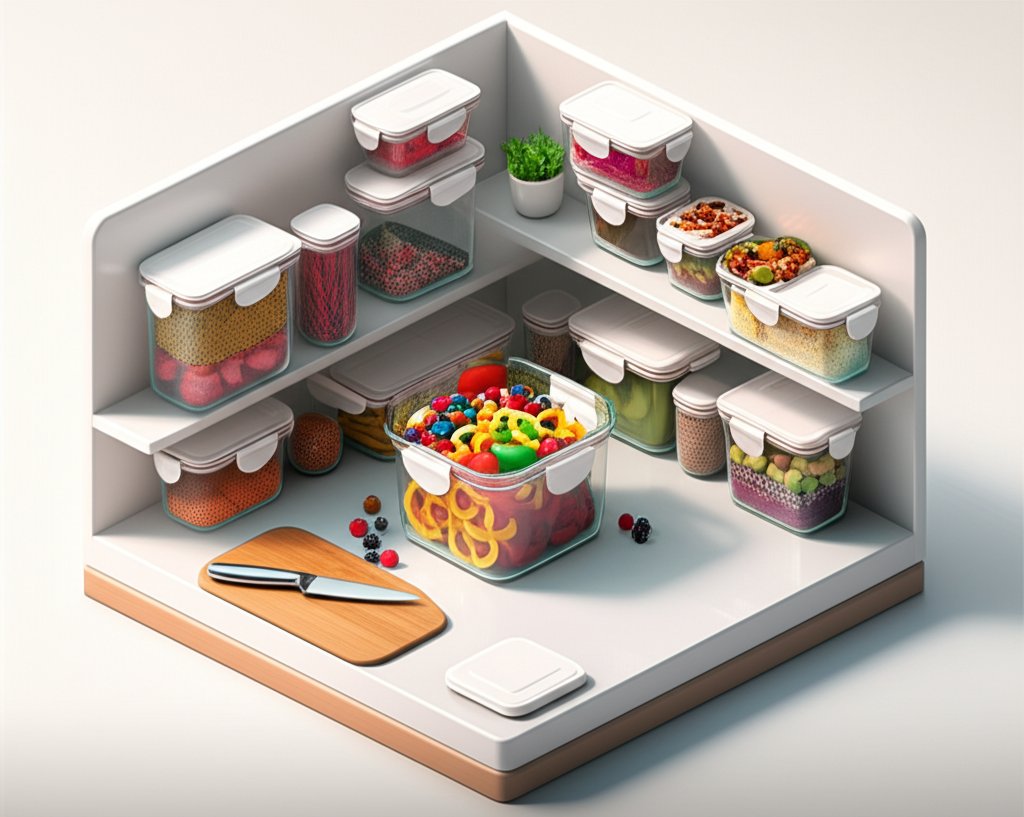
That container of leftovers hiding in the back of your fridge—is it still good? And what about the tomato sauce that permanently stained your favorite plastic tub? These common kitchen frustrations point to a simple truth: not all food storage is created equal. High-quality borosilicate containers are more than just a place to put food; they are a system for preserving freshness, reducing waste, and bringing a new level of order to your kitchen.
By moving beyond flimsy plastics, you gain a tool that works as hard as you do, transitioning seamlessly from freezer to oven to table while keeping your meals tasting their best.
At a Glance: What You’ll Gain
- Understand the Science: Learn why the unique properties of borosilicate glass are superior for keeping food fresh and free from contaminants.
- Master Your Meal Prep: Discover practical strategies for using these containers to streamline your weekly meal planning and prep.
- Organize Like a Pro: Get a simple framework for choosing the right container sizes and shapes to create a tidy, efficient fridge and pantry.
- Avoid Common Pitfalls: Learn best practices for care and handling to ensure your containers last for years.
- Get Quick Answers: Find clear solutions to common questions about safety, usage, and maintenance.
More Than Just a Box: How Borosilicate Preserves Food Quality
Before you can organize your kitchen, you need the right tools. The material your containers are made from has a massive impact on the flavor, freshness, and safety of your food. While standard glass and plastic have their place, borosilicate glass offers a unique combination of properties that make it an exceptional choice for food storage.
The Science of Freshness: Non-Porous and Chemically Inert
Ever store spaghetti sauce in a plastic container and have it come out of the dishwasher with a stubborn orange tint? That’s because plastic is porous; it absorbs oils, pigments, and odors from food. Borosilicate glass, on the other hand, is non-porous.
Think of it like the difference between a sponge and a ceramic plate. The glass provides a completely smooth, impermeable surface.
- No Stains, No Odors: Tomato sauce, curry, and other potent foods won’t leave their mark or their smell behind after a simple wash. Your container for last night’s chili is perfectly fresh and ready for tomorrow’s fruit salad.
- Chemically Inert: Borosilicate glass doesn’t react with acids. This means you can store tomato-based dishes, citrus marinades, or vinaigrettes without worrying about chemicals leaching into your food or the glass breaking down over time. It ensures your food’s flavor remains pure.
Taming the Temperature: From Freezer to Oven Safely
This is where borosilicate glass truly shines. It’s engineered by adding boron trioxide to the traditional glass mixture, which dramatically lowers its coefficient of thermal expansion. In simple terms, it doesn’t expand or contract as much when temperatures change, making it highly resistant to thermal shock.
This ability to handle drastic temperature swings without cracking is a hallmark of its design and a core reason people are turning to Durable, safe borosilicate storage for a modern, reliable kitchen. You can take a container of prepped lasagna from the fridge and place it directly into a preheated oven (just let it sit on the counter for a few minutes if it’s coming from the freezer). This single feature eliminates extra dishes and streamlines the entire cook-and-store process.
Your Kitchen’s New Command Center: A System for Organization
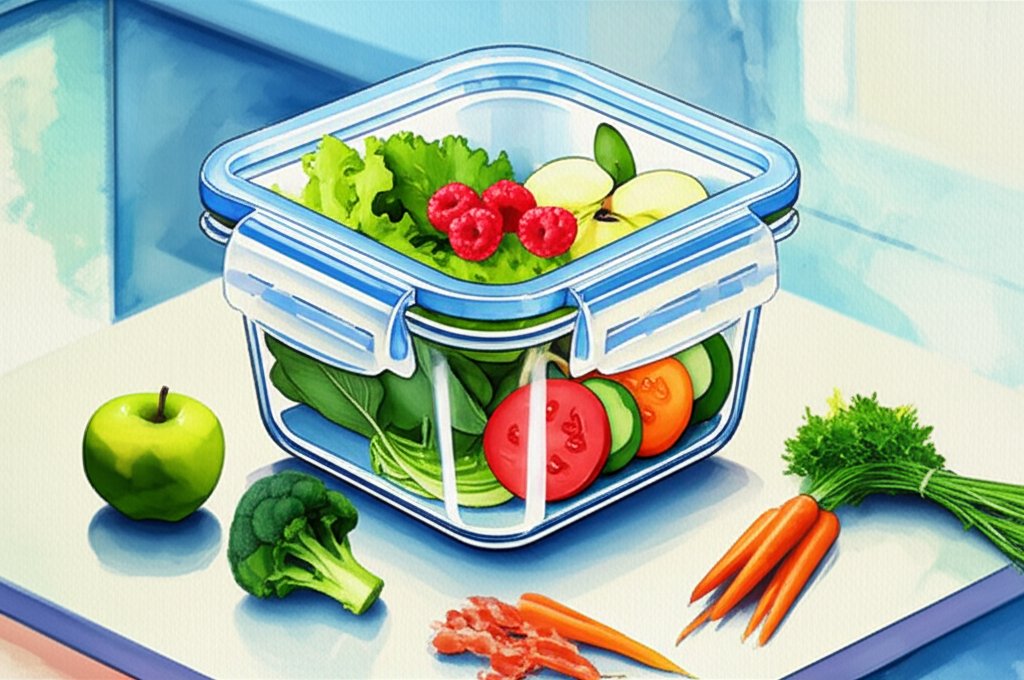
A set of matching borosilicate containers does more than just hold food—it creates an organizational system that brings clarity and efficiency to your kitchen.
The ‘See-Through’ Advantage: End the Fridge Guessing Game
How much food has been wasted because it was forgotten in an opaque container at the back of the shelf? The crystal-clear nature of borosilicate glass means you can see exactly what you have at a glance.
This visual inventory helps you:
- Reduce Food Waste: You’re more likely to eat leftovers when you can see them.
- Speed Up Mealtime: Quickly locate ingredients or grab a pre-made lunch without rummaging through the fridge.
- Simplify Grocery Planning: A quick scan of your organized containers tells you what you need to buy.
Building Your Set: A Framework for Choosing Sizes and Shapes
Starting your collection can feel overwhelming. Instead of buying a massive, mismatched set, think about your actual cooking and eating habits. A strategic approach ensures every piece is useful.
For most households, a combination of shapes and sizes works best:
| Container Type | Primary Use Cases | Why It Works |
|---|---|---|
| Small Round (1-1.5 cups) | Sauces, dips, single-servings of yogurt, nuts, salad dressing. | Perfect for portion control and keeping small items from getting lost. |
| Medium Rectangle (3-5 cups) | Individual lunch portions, leftovers for one or two, side dishes. | The workhorse of meal prep. Fits perfectly in a lunch bag. |
| Large Rectangle (8-11 cups) | Marinating proteins, storing family-sized leftovers, batch-prepped grains, salad kits. | Ideal for larger volumes and efficient stacking in the fridge. |
| Shallow Square/Rectangle | Casseroles, lasagna, baked goods, roasted vegetables. | The oven-to-table design means you can bake, serve, and store in one dish. |
| Pro Tip: While variety is good, try to stick to one or two brands. Uniform lids and stackable designs are the key to unlocking true organizational bliss. Rectangular and square containers are generally more space-efficient than round ones for maximizing shelf space. |
From Theory to Table: Your Borosilicate Playbook
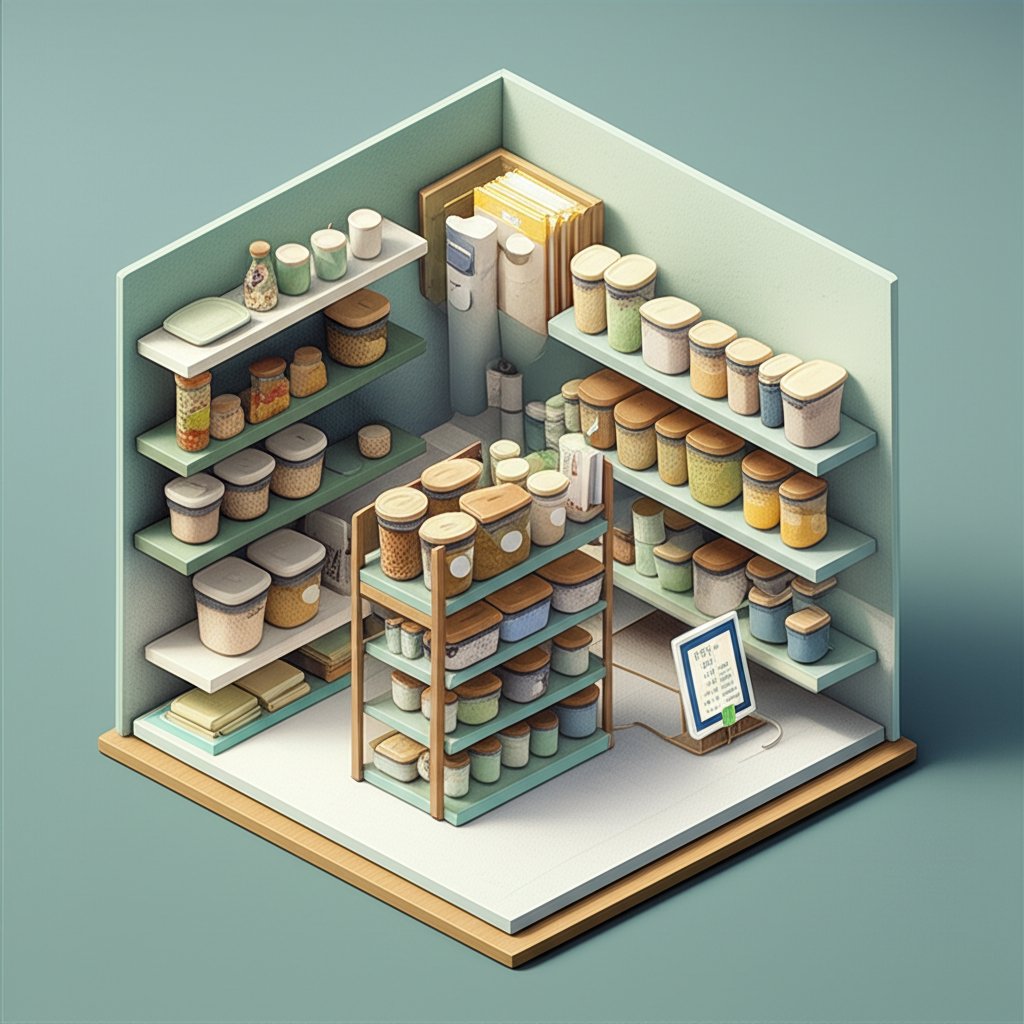
Owning the right containers is the first step. Using them effectively is what transforms your kitchen. Here’s a practical guide to putting your set to work.
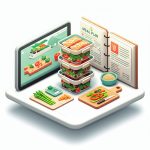
The Sunday Meal Prep Masterclass
Imagine your weeknight dinners being ready in minutes. With borosilicate containers, it’s achievable.
Step-by-Step Plan:
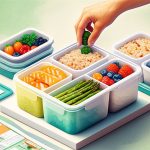
- Chop and Store Veggies: After grocery shopping, wash and chop onions, bell peppers, carrots, and broccoli. Store each in its own container. For leafy greens, add a paper towel to absorb excess moisture. This “ingredient prep” cuts down nightly cooking time significantly.
- Batch Cook Grains and Proteins: Cook a large batch of quinoa, rice, or chicken breasts. Portion them into medium rectangular containers. They’re now ready to be the base for salads, bowls, or quick stir-fries.
- Assemble “Grab-and-Go” Meals: Layer ingredients for salads or grain bowls in large containers. Keep the dressing separate in a small round container to prevent sogginess. Your healthy lunch is ready to grab on your way out the door.
The Art of Stacking: Maximizing Fridge and Pantry Space
A well-organized fridge is a thing of beauty. Create dedicated “zones” using your borosilicate containers.
- The “Meal Prep” Shelf: Line up your week’s lunches on one shelf for easy access. The uniform, stackable nature of the containers creates a neat, visually appealing block.
- The “Leftovers” Zone: Designate another area for leftovers from dinner. The clear glass ensures they don’t get forgotten.
- Pantry Power: Use borosilicate containers for dry goods like lentils, specialty flours, or nuts. They provide an airtight seal that keeps food fresher than bags and protects against pantry pests.
Answering Your Top Questions
Even the best tools come with questions. Here are clear answers to the most common queries about borosilicate containers.
Can the lids go in the oven or microwave?
Almost never. Most lids are made from plastic or silicone with locking clips and are not designed to withstand the high, direct heat of an oven. Always remove the lid before placing the glass base in the oven. For the microwave, it’s best to unclip the lid and rest it loosely on top to allow steam to vent.
Is borosilicate glass truly unbreakable?
No, it is not unbreakable, but it is exceptionally durable and thermal-shock resistant. If it does break from a severe impact, it tends to fracture into larger, more rounded chunks rather than shattering into countless tiny, sharp shards like standard (soda-lime) glass, making cleanup safer.
Why is my glass container getting cloudy?
This is almost always due to hard water mineral deposits from your dishwasher. It’s not a flaw in the glass and is easy to fix. Simply soak the container in a 50/50 solution of white vinegar and water for about 30 minutes, then wash as usual. The cloudiness will disappear.
Can I put a hot container directly on a cold granite countertop?
It’s best not to. While borosilicate glass is highly resistant to thermal shock, you’re still creating a stress point. Always place hot glassware on a pot holder, trivet, or dry dish towel to be safe. This simple habit will ensure your containers last a lifetime.
Making the Switch: Your First Three Steps
Ready to transform your food storage and kitchen organization? Don’t try to replace everything overnight. A gradual, intentional approach is most effective.
- Audit Your Current System: Open your cupboard. What’s not working? Identify the warped plastic containers, the lids that don’t match, and the tubs that are permanently stained. This isn’t about guilt; it’s about identifying pain points your new system will solve.
- Start with a Core Set: Begin with a versatile 3-to-5-piece set of rectangular borosilicate containers. Choose the sizes that best match your meal prep and leftover habits—likely a mix of medium and large containers. This initial investment allows you to experience the benefits without a huge upfront cost.
- Put Them to the Test: For one week, use only your new borosilicate containers for storing leftovers and packing lunch. Notice how the food stays fresher, how easy cleanup is, and how much neater your fridge looks. Once you experience the difference firsthand, you’ll know exactly which pieces to add to your collection next.

- Delicious Meal Prep Cold Meals Ready to Grab and Go - March 10, 2026
- Cold Meal Prep Makes Healthy, Stress-Free Lunches Easy - March 9, 2026
- Meal Prep Ideas for Healthy Eating Throughout Your Busy Week - March 8, 2026