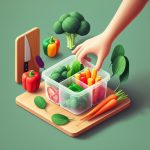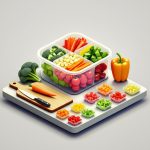
Opening the fridge to a container of sad, slimy, pre-chopped veggies is a meal-prepper’s nightmare. You had the best intentions, but now you’re ordering takeout. The secret isn’t more effort; it’s smarter choices, and that starts with knowing the absolute best veggies for meal prep. Selecting produce that stays fresh, crisp, and delicious is the single biggest factor in whether your weekly plan succeeds or fails.
This isn’t about just chopping a bunch of vegetables and hoping for the best. It’s about understanding which ones are built to last and which need a little more finesse.
At a Glance: Your Path to Perfect Veggie Prep
- Learn the Three Tiers: We’ll break down veggies into three groups: The All-Stars (your go-to workhorses), The Conditional Champs (great with the right technique), and The “Prep Just-in-Time” Crew.
- Dodge the #1 Mistake: Discover why moisture is the enemy of fresh meal prep and how simple choices can prevent soggy results.
- Get a Simple Framework: Choose the right veggie based on your goal, whether it’s for raw snacking, roasting, or steaming.
- Master Storage Secrets: Unlock the simple techniques that keep your prepped produce vibrant and crisp all week long.
It’s All About Structure and Water Content
Before we name names, let’s cover the single most important principle of veggie meal prep: sturdiness. The best vegetables for the job are dense, firm, and have relatively low water content.
Think about the difference between a carrot stick and a cucumber slice after three days in the fridge. The carrot remains crunchy and satisfying, while the cucumber becomes a watery, limp mess. This happens because high-water-content vegetables release their moisture after being cut, leading to a loss of texture and a sad, soggy container.
Hardy, robust vegetables hold their structure and moisture, making them ideal candidates for prepping several days in advance. Understanding this core principle is the first step. For a complete look at the process from shopping to storage, our Effortless vegetable meal prep guide covers the entire framework. By choosing veggies that are naturally resilient, you set yourself up for a week of easy, delicious meals.
The All-Stars: Your Weekly Meal Prep Workhorses

These are your non-negotiables—the vegetables you can prep on Sunday with full confidence they’ll still be great on Thursday. They are versatile, durable, and form the backbone of a successful meal prep routine.
Cruciferous Powerhouses
Includes: Broccoli, Cauliflower, Brussels Sprouts, Cabbage
These vegetables are the champions of meal prep. Their dense, fibrous structure means they hold up exceptionally well to both raw storage and reheating. You can chop them into florets or shred them, and they’ll stay crisp and fresh in an airtight container for days.
- Why they work: Low moisture content and a sturdy cell structure prevent them from becoming limp. They are also incredibly versatile.
- Prep ideas:
- Cut broccoli and cauliflower into florets for roasting, steaming, or adding raw to salads.
- Shred Brussels sprouts for a crunchy slaw or slice them in half for roasting.
- Shred cabbage for salads, stir-fries, or a simple sauté.
- Mini-Case: Roast a big sheet pan of broccoli florets and halved Brussels sprouts with olive oil and salt on Sunday. On Monday, serve them as a side with chicken. On Wednesday, toss the cold leftovers into a grain bowl with quinoa and a lemon vinaigrette. They’ll still have a pleasant, firm texture.
Foundational Root Vegetables
Includes: Carrots, Sweet Potatoes, Beets, Potatoes, Turnips
Root vegetables are naturally designed for long-term storage, and that quality extends to meal prep. Their dense, starchy flesh is perfect for batch cooking and holds its shape beautifully.
- Why they work: They are very low in moisture and extremely firm. They can be stored chopped and raw, or fully cooked and refrigerated.
- Prep ideas:
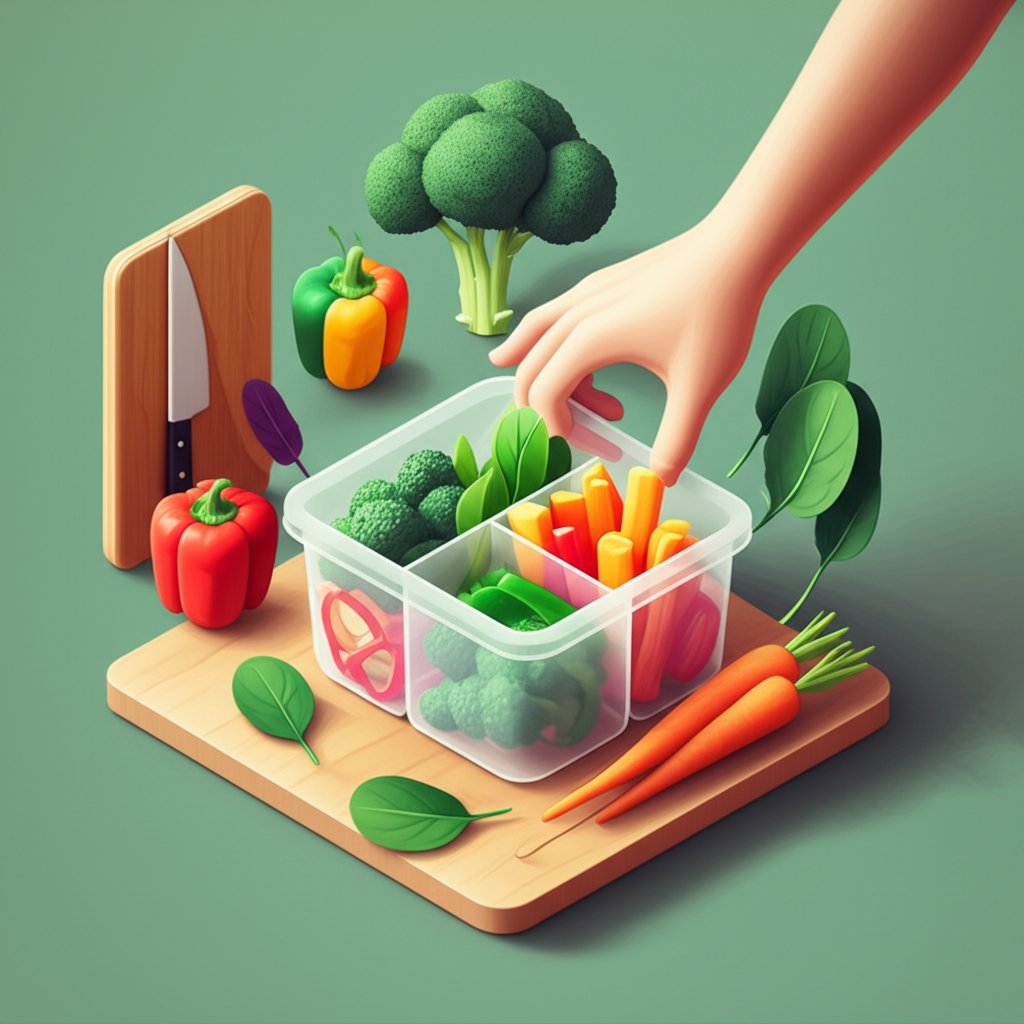
- Peel and chop carrots and celery into sticks for grab-and-go snacks.
- Cube sweet potatoes or regular potatoes for roasting or adding to soups and stews.
- Roast whole beets, then peel and slice them for easy additions to salads.
- Pro Tip for Potatoes: To prevent cut raw potatoes from browning (oxidizing), submerge them completely in a container of cold water in the fridge. They’ll stay perfectly white and ready to cook for a couple of days.
Sturdy and Dependable Aromatics
Includes: Bell Peppers, Onions, Celery
This group forms the flavor base for countless dishes, from stir-fries to soups. Pre-chopping them is one of the biggest time-savers in the kitchen.
- Why they work: They have a crisp, solid structure that doesn’t weep or become mushy when cut.
- Prep ideas:
- Slice bell peppers and onions into strips for fajitas or stir-fries.
- Dice a mix of onion, celery, and carrots (a mirepoix) to have a ready-made base for soups, sauces, and stews.
The Conditional Champs: Great with a Little Finesse
These vegetables are excellent for meal prep, but they require a specific technique or consideration to be at their best. A little extra know-how turns them from a potential problem into a reliable part of your rotation.
Green Beans & Asparagus
- The Challenge: If pre-cooked or stored improperly, they can become drab, limp, and unappetizing.
- The Solution: Blanching. This technique is a game-changer. Simply drop the veggies into boiling water for 1-2 minutes until they turn bright green, then immediately transfer them to a bowl of ice water to stop the cooking process. Blanching locks in their vibrant color and crisp-tender texture, making them perfect for reheating or eating cold in salads.
Hearty Greens
- Includes: Kale, Collard Greens, Swiss Chard, Spinach
- The Challenge: Delicate greens wilt into nothing, while tough greens can be unpleasantly chewy if not prepped correctly.
- The Solution:
- For Kale Salads: De-stem and chop the kale, then massage it with a bit of olive oil or lemon juice. This tenderizes the leaves, making them delicious for days. Store the dressed kale separately from other salad ingredients.
- For Cooked Greens: Sauté or steam spinach, chard, or collards in a large batch. Once cooked, squeeze out as much excess water as possible, let it cool, and store the compressed “puck” of greens in your fridge. You can easily grab a portion to reheat for a quick side.
Squash Varieties
- Includes: Zucchini, Yellow Squash, Butternut Squash, Spaghetti Squash
- The Challenge: Summer squashes like zucchini have very high water content and can become slimy if chopped and stored raw.
- The Solution:
- Zucchini/Yellow Squash: It’s best to cook these. Roasting is the ideal method as the dry heat helps evaporate some of their moisture, concentrating their flavor. Avoid steaming.
- Butternut/Spaghetti Squash: These winter squashes are much hardier. Treat them like root vegetables. You can peel and cube butternut squash and store it raw, or roast both types ahead of time. Scrape out the spaghetti squash strands and store them in an airtight container.
The “Handle with Care” Crew: Prep These Just in Time
Some vegetables are simply not suited for advance preparation. Trying to prep them days ahead is a recipe for disappointment. For these, the “prep” is washing them and having them ready to be cut right before you eat.
- Tomatoes & Cucumbers: Their extremely high water content means they will release liquid and turn mushy once sliced.
- Best Practice: Store them whole. Cherry tomatoes can be washed and kept ready. Slice larger tomatoes and cucumbers right before serving for maximum freshness and crunch.
- Avocado: The notorious oxidizer. Once cut, the flesh rapidly turns brown.
- Best Practice: Don’t cut it until you’re ready to eat it. A squeeze of lime or lemon juice can slow the browning for a few hours, but not for days.
- Mushrooms (After Cooking): While you can wash and slice mushrooms ahead of time, cooked mushrooms often become rubbery and develop a less-than-pleasant texture upon reheating.
- Best Practice: Sauté them fresh. It only takes a few minutes and the result is far superior.
- Delicate Herbs (Cilantro, Parsley, Basil): These will wilt and turn black quickly once chopped.
- Best Practice: Store them upright in a jar with a little water, like a bouquet of flowers. Or, for a true prep hack, blend them into a sauce like pesto or chimichurri, where the oil preserves them.
Your Quick-Start Guide to Choosing and Prepping
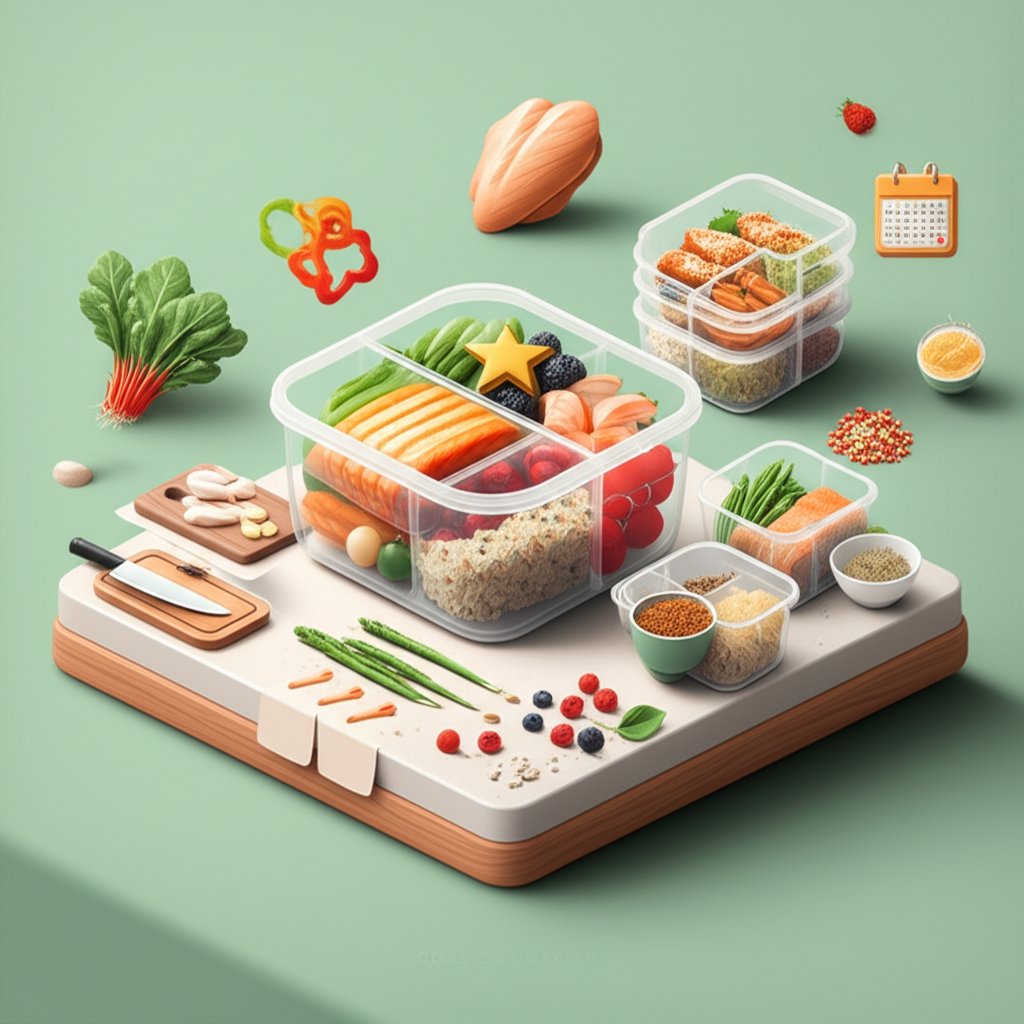
Use this simple framework to match the right vegetable to your meal prep goal.
| Your Goal | Best Veggie Choices | Top Prep Tip |
|---|---|---|
| Crunchy Raw Snacks & Salads | Carrots, Celery, Bell Peppers, Jicama, Broccoli, Cauliflower Florets, Radishes | Chop and store in a container with a small amount of water to maintain maximum crispness. |
| Roasted Veggie Medleys | Broccoli, Cauliflower, Brussels Sprouts, Sweet Potatoes, Carrots, Onions, Butternut Squash | Chop into uniform 1-inch pieces for even cooking. You can store them raw (tossed in oil and seasoning) or roast a large batch ahead. |
| Steamed or Sautéed Sides | Green Beans, Asparagus, Kale, Spinach, Bell Peppers, Onions, Cabbage | Blanch green beans and asparagus first. For sautéing, pre-chop aromatics like onions and peppers to create a ready-to-go base. |
| Soup & Stew Bases | Onions, Carrots, Celery, Potatoes, Turnips, Butternut Squash | Dice and store your mirepoix (onion, carrot, celery) mix together. The flavors will meld, and it’s ready to hit the pot. |
Quick Answers to Your Top Veggie Prep Questions
Q: Can I really prep salad for the whole week?
A: Yes, with the right strategy. Build your salads in jars using hearty greens like kale or romaine hearts at the top. Layer wet ingredients like dressing at the very bottom, followed by hard veggies (carrots, peppers), grains, protein, and finally the greens. This keeps everything separate and crisp until you’re ready to shake it all up.
Q: Is it better to prep veggies raw or cooked?
A: It depends on the vegetable and your end goal. Prepping raw (chopping onions, peppers, carrots) gives you flexibility for different meals throughout the week. Prepping cooked (roasting a big batch of sweet potatoes and broccoli) saves you a cooking step on a busy weeknight. A good strategy is to do a bit of both.
Q: Will I lose nutrients by prepping veggies in advance?
A: Some water-soluble vitamins, like Vitamin C, can degrade slightly when exposed to air and light after being cut. However, this loss is typically minimal. According to nutrition scientists, the health benefits of consistently eating prepped vegetables far outweigh any minor nutrient decline. The most nutritious vegetable is the one you actually eat.
Q: Are frozen vegetables a good shortcut for meal prep?
A: Absolutely. Frozen vegetables are a fantastic tool. They are flash-frozen at their peak of freshness, which locks in nutrients effectively. They are often cheaper than fresh, come pre-chopped, and are perfect for adding to soups, stir-fries, and smoothies, saving you significant prep time.
Start with Your “Big Three” This Week
Feeling overwhelmed? Don’t try to prep every vegetable in your fridge. The key to building a lasting habit is to start small and see the immediate benefits.
This week, choose just three vegetables from the “All-Stars” list. A great starting trio is broccoli, carrots, and bell peppers.
- Roast: Cut the broccoli into florets, toss with olive oil and salt, and roast a whole sheet pan.
- Snack: Peel and chop the carrots into sticks for easy, healthy snacks.
- Sauté: Slice the bell peppers (maybe with an onion) and store them in a container, ready for a 5-minute stir-fry or fajita base.
By focusing on the best veggies for meal prep, you’re not just saving time; you’re ensuring the food you worked hard to prepare is fresh, delicious, and inviting when you need it most. This simple shift in strategy will transform your weekly meals from a chore into a victory.

- The Best Veggies for Smart Meal Prep Choices - March 24, 2026
- Meal Prep Vegetables Simple Steps for Effortless Weekly Meals - March 23, 2026
- Potato Meal Prep Ideas Make Weeknight Dinners Simple - March 22, 2026