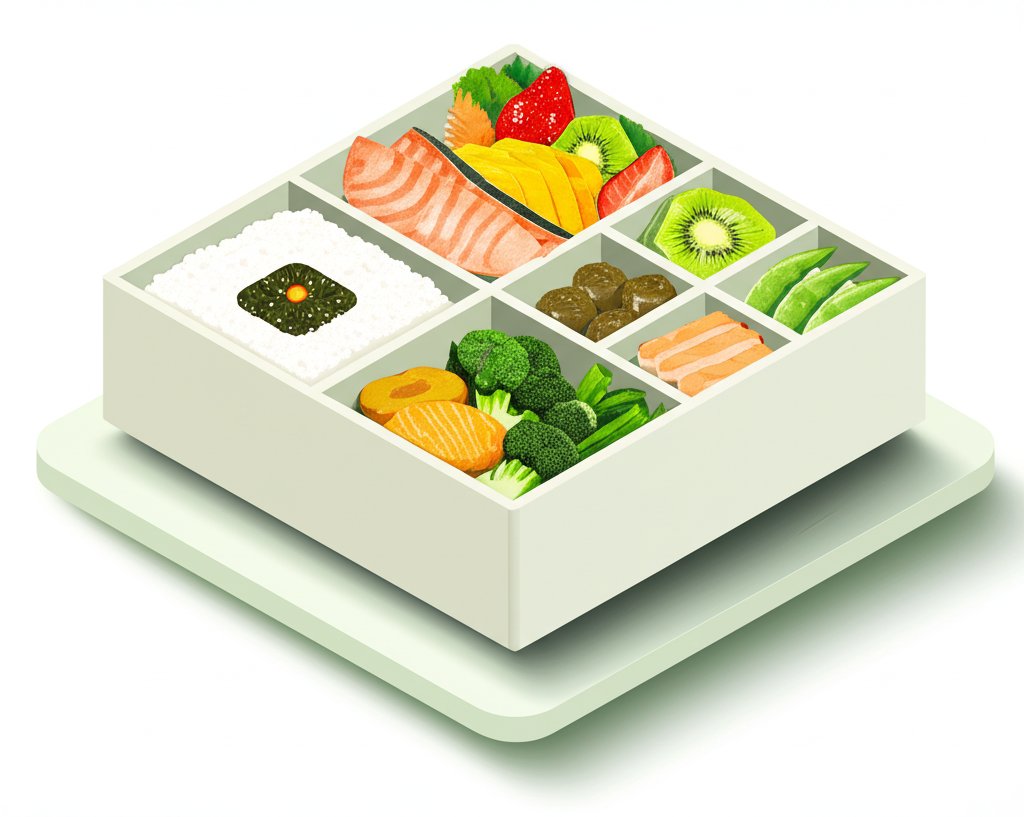
You’ve seen them everywhere: perfectly portioned, colorful lunches that make you actually want to eat your packed meal. But when you start shopping, the bento box price can feel like a wild ride, swinging from a simple $15 plastic container to a $70-plus insulated wonder. How do you figure out what’s a fair price for a quality box versus what’s just clever marketing? The key is understanding that the price tag isn’t arbitrary; it’s a direct reflection of the materials, features, and durability built into your future lunch companion.
At a Glance: What You’ll Learn
- The four core factors that drive bento box prices up or down.
- How to identify which premium features are worth the extra cost for your lifestyle.
- A clear breakdown of price tiers: Budget (Under $25), Mid-Range ($25-$50), and Premium ($50+).
- Why thinking in “cost-per-use” is smarter than just looking at the initial price.
- A simple decision framework to find the best value without overspending.
What Really Drives the Bento Box Price Tag?
It’s tempting to think two boxes that look similar should cost the same. In reality, the difference between a $20 box and a $45 one comes down to hidden details that drastically affect your daily experience. Think of it less as buying a container and more as investing in a daily tool.
Material Matters Most: From Everyday Plastic to Heirloom Wood
The material is the single biggest factor influencing cost, durability, and care requirements.
- BPA-Free Plastic: This is the most common and affordable option. Basic polypropylene boxes are cheap but can stain and warp over time. Higher-end plastics like Tritan are more expensive but offer glass-like clarity, are shatterproof, and resist stains and odors from foods like tomato sauce or curry.
- Stainless Steel: The workhorse of the bento world. It’s incredibly durable, won’t hold onto smells or stains, and is completely non-toxic. The higher price reflects the material cost and manufacturing process. A well-made steel box can genuinely last for a decade, making its long-term value excellent.
- Glass: A fantastic choice for those who primarily reheat leftovers in the microwave. Glass is non-porous and easy to clean, but it’s also the heaviest and most fragile option. The price is typically in the mid-range, competing with high-quality plastics.
- Wood or Bamboo: These are the most traditional and aesthetically pleasing options, often handcrafted. They are prized for their natural beauty but require gentle hand-washing and are not leak-proof or microwave-safe. Their premium price reflects the craftsmanship and material.
Features You Pay For (And Some You Can Skip)
Beyond the material, specific engineering features add to the final bento box price. Knowing which ones you need is the fastest way to avoid overpaying.
- True Leak-Proofing: This is more than just a tight-fitting lid. A genuinely leak-proof bento has silicone seals precisely molded into the lid, creating separate, sealed compartments. This complex design prevents your yogurt from mingling with your salad dressing and is a primary driver of cost in mid-range boxes. If you only pack dry foods like sandwiches and crackers, you can save money by skipping this.
- Insulation: Keeping food hot or cold requires specialized construction, like double-walled, vacuum-sealed stainless steel. This technology significantly increases the price. Boxes like the Zojirushi “Mr. Bento” can cost upwards of $50 but can keep soup steaming hot for hours, a non-negotiable for someone without access to a microwave.
- Modularity and Accessories: Some boxes come with removable dividers, sauce containers, and built-in cutlery. While convenient, these extras add to the complexity and cost. Ask yourself if you’ll actually use them or if you’d rather use your own silverware.
Brand Reputation vs. Hidden Gems
Established brands like Bentgo, Monbento, and OmieBox have invested years in research, safety testing (especially for kids’ products), and customer service. Part of their price reflects that reliability and the warranty that comes with it. While you can find generic lookalikes for a lower price, they often cut corners on the quality of the plastic, the effectiveness of the seals, or the durability of the latches.
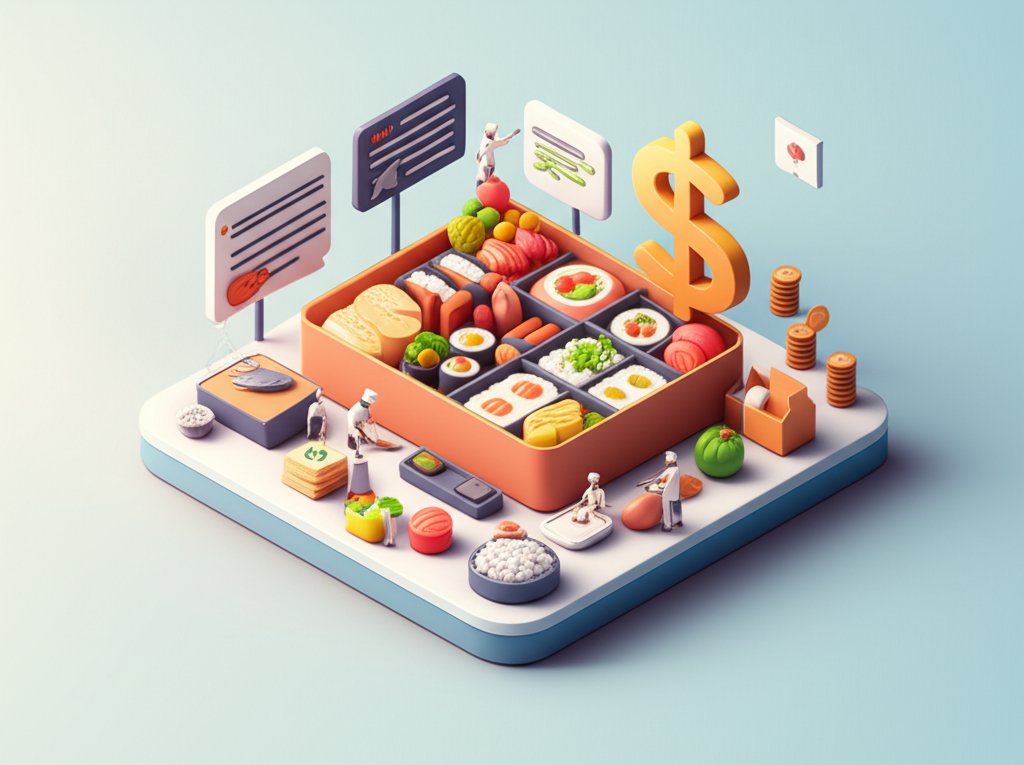
Decoding the Price Tiers: What to Expect for Your Money

To make your search easier, we can group bento boxes into three general price categories. Understanding what you get in each tier helps you align your budget with your expectations.
The Budget-Friendly Zone: Under $25
This is the entry-level tier, perfect for beginners, kids who are prone to losing things, or for packing simple, dry meals and snacks.
- Who It’s For: The occasional packer, students, parents needing simple snack boxes.
- What You Get: Mostly basic, BPA-free plastic. Compartments are often formed by simple dividers rather than truly sealed sections. Leak-proofing is minimal to non-existent between compartments.
- Real-World Snippet: Maria needs a container for her 5-year-old’s afternoon snack at daycare—just some goldfish crackers and apple slices. A $15 plastic bento with cute graphics is the perfect fit. It’s lightweight, easy for him to open, and inexpensive to replace if it gets left behind.
The Mid-Range Sweet Spot: $25 – $50
This is where most people find their perfect match. These boxes offer the best balance of price, durability, and practical features for daily use. The jump in quality from the budget tier is significant and immediately noticeable.
- Who It’s For: The daily office worker, dedicated meal preppers, and parents packing varied lunches for school.
- What You Get: High-quality materials like Tritan plastic or durable stainless steel. The main selling point is excellent, reliable leak-proofing between compartments. Latches are sturdier, designs are more thoughtful, and they are almost always dishwasher-safe.
- Real-World Snippet: David packs his lunch for the office every day to save money and eat healthier. He often includes salads with dressing, yogurt, or leftovers with sauces. A $35 leak-proof bento is a worthwhile investment. It gives him the flexibility to pack anything without worrying about messy spills in his work bag.
This tier is the ideal starting point for anyone serious about packing lunches. You can explore a wide variety of layouts and materials as you Shop Bento Boxes to find the one that fits your specific meal-prep style.
The Premium & Specialty Tier: $50+
These are not just containers; they are specialized tools designed to solve a specific problem, often related to temperature control or unique dietary needs.
- Who It’s For: People without microwave access (e.g., field workers, drivers), those who want to pack hot and cold items together, or enthusiasts of traditional Japanese culture.
- What You Get: This tier is dominated by vacuum-insulated stainless steel jars (like Mr. Bento or OmieBox), electric self-heating bento boxes, or authentic, handcrafted wooden or lacquerware boxes from Japan. The performance and craftsmanship justify the high bento box price.
- Real-World Snippet: Chen is a landscape architect who spends most of his day outdoors. He loves having a hot meal, especially in the winter. He invests in a $60 thermal bento with multiple stacked containers. It allows him to pack hot chili in one tier and a cold cornbread and salad in another, giving him a satisfying, home-cooked meal anywhere.
| Price Tier | Typical Cost | Best For | Key Features |
| :— | :— | :— | :— |
| Budget | Under $25 | Dry snacks, sandwiches, kids | Basic plastic, simple dividers, minimal leak-proofing |
| Mid-Range | $25 – $50 | Daily work/school lunches, meal prep | High-quality plastic or steel, reliable leak-proofing |
| Premium | $50+ | Hot/cold meals, specific needs | Insulated steel, electric heating, traditional wood |
Your Practical Playbook for Finding the Best Value
The goal isn’t just to find a cheap bento box; it’s to find the one that provides the best return on your investment.
Think in “Cost-Per-Lunch”
A simple mindset shift can clarify your decision. Instead of focusing on the upfront cost, think about the cost per use over a year.
- Scenario A: A $15 budget box with flimsy latches breaks after 40 uses.
- Cost-Per-Lunch: $0.38
- Scenario B: A $40 mid-range box is used every workday (approx. 250 times) for a year.
- Cost-Per-Lunch: $0.16
The more expensive box is actually over twice as cheap in the long run, not to mention far less frustrating to use.
A 3-Step Decision Framework to Find Your Price Point
- Define Your Top 1-2 “Must-Haves.” Be honest about how you’ll use it. Is leak-proofing for soups and yogurt the absolute priority? Or is it being lightweight enough for your child to carry? Maybe it’s being able to toss everything in the dishwasher. Write down your non-negotiables.
- Match the Material to Your Lifestyle. Based on your must-haves, choose a material. If durability is everything, lean toward stainless steel. If you need to microwave leftovers, focus on glass or microwave-safe plastic. If you hate hand-washing, steer clear of wood.
- Select Your Tier and Shop Smart. With your feature list and material in mind, you can now confidently shop within a specific price tier. A “leak-proof” requirement immediately pushes you into the $25+ mid-range. A “hot soup” requirement puts you in the $50+ premium tier. This prevents you from being swayed by a cheap price on a box that will ultimately fail you.
Quick Answers to Common Price Questions
Q: Is a more expensive bento box automatically more leak-proof?
A: Generally, yes. The bento box price in the mid-to-premium range often reflects superior engineering. This includes thicker, better-fitting silicone seals and stronger latch mechanisms. Cheaper boxes may claim to be “leak-resistant,” but they rarely hold up to watery dressings or soups when jostled in a bag.
Q: Why are some kids’ bento boxes so expensive?
A: Three factors are at play: 1) Safety Standards: Reputable brands conduct rigorous testing to ensure materials are non-toxic and child-safe. 2) Durability: Kids’ boxes are designed to be dropped, so they often use tougher plastics and reinforced hinges. 3) Licensing: If it has a popular cartoon character on it, a portion of the price goes toward licensing fees.
Q: Do I need to buy an authentic Japanese brand to get a good bento?
A: Not at all. While traditional Japanese brands are excellent, many Western companies like Bentgo, Yumbox, and OXO have adapted the bento concept for modern, on-the-go lifestyles. They excel at features like robust leak-proofing and dishwasher-safe materials that are less common in traditional wooden boxes.
Q: Can I find a good bento box price on sites like Amazon?
A: Absolutely, but be a critical shopper. Read recent reviews (especially the 3-star ones, as they are often the most honest) and be wary of products with very few ratings. Stick to brands you recognize or those with a consistent track record of positive feedback to avoid low-quality imitations.
The best bento box price isn’t the lowest one you can find. It’s the price that gets you a durable, reliable container that perfectly suits the types of meals you want to pack. It solves your daily lunch problem without leaks, stains, or frustration.
Before you start your search, decide on your single most important feature—whether it’s keeping soup hot, separating wet and dry foods, or simply surviving a trip in a kindergartener’s backpack. Let that one need guide your choice. When a box solves that core problem, you’ll find its price feels less like a cost and more like a smart investment in better lunches.

- Easy Meal Prep Mexican Food Recipes to Spice Up Your Week - March 18, 2026
- Easy College Meal Prep Recipes for Affordable Student Meals - March 17, 2026
- Easy Meal Prep Ideas for College Students for a Budget - March 16, 2026