Ever opened your lunch bag to find a container permanently stained orange from last week’s spaghetti sauce? Or caught a whiff of yesterday’s garlic chicken, even after a thorough washing? It’s a familiar frustration. For years, we’ve accepted that plastic containers warp, stain, and hold onto odors. But there’s a far more elegant, durable, and pristine alternative that’s changing the way we pack our meals: the bento box glass. This isn’t just about a prettier lunch; it’s a complete upgrade to your meal prep, your health, and your daily routine.
This shift is a core part of The glass lunchbox trend, which prioritizes sustainability and a better eating experience. By choosing glass, you’re investing in a tool that respects the food you so carefully prepared.
At a Glance: Your Guide to Glass Bento Boxes
Pressed for time? Here’s what you need to know about making the switch to glass.
- Healthier & Cleaner: Glass is non-porous and non-reactive. It won’t absorb food stains, odors, or leach chemicals like BPA into your meals, ensuring your food tastes exactly as it should.
- Ultimate Versatility: A single glass container can often go from the freezer to the microwave or even the oven (always check manufacturer instructions!), and then straight into the dishwasher. This streamlines your prep, reheating, and cleanup process.
- Durability & Sustainability: High-quality borosilicate glass resists scratches and thermal shock better than regular glass. It’s a buy-it-once item that reduces plastic waste and outlasts countless flimsy containers.
- Key Features to Look For: The best glass bento boxes feature leak-proof, airtight lids (often with silicone seals), multiple compartments for portion control, and are made from durable borosilicate glass.
Beyond the Hype: Why Glass Bento Boxes are a Smart Upgrade
Switching your food containers might seem like a small change, but the benefits have a significant impact on your daily life. It’s about more than just aesthetics; it’s about performance, safety, and a little bit of daily joy.
Health First: No Nasty Chemicals
Plastic containers, especially when heated, can pose a risk of leaching chemicals like Bisphenol A (BPA) and phthalates into your food. While many are now “BPA-free,” concerns about other plasticizers remain. Glass, on the other hand, is one of the safest materials for food storage. It’s inert and non-reactive.
This means the fresh, clean taste of your food is preserved. No more subtle plastic aftertaste in your reheated rice or vegetables. Your meal tastes like your meal, period.
A Feast for the Eyes (and Palate)
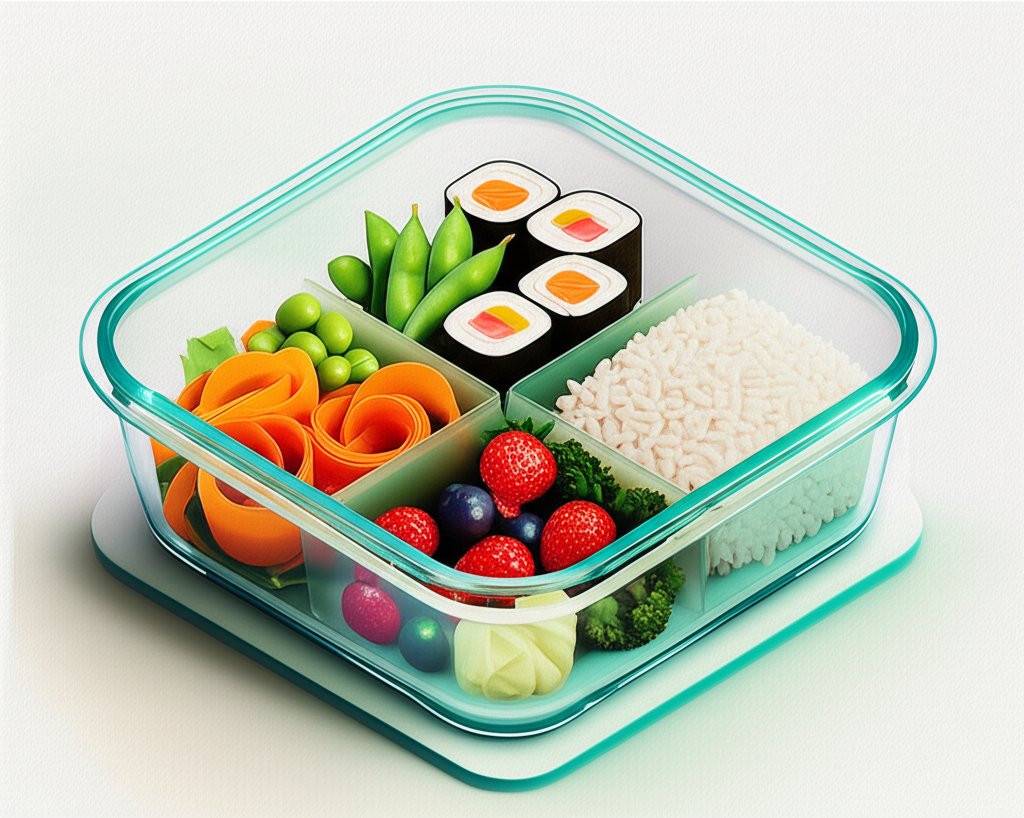
We eat with our eyes first, and a beautifully packed lunch can make a midday meal feel like a special occasion. Glass offers a crystal-clear view of your colorful salads, vibrant grain bowls, and neatly portioned snacks.
More practically, glass is non-porous. This is its superpower.
- No Stains: That tomato-based chili or curry? It won’t leave a permanent mark.
- No Odors: The container you used for salmon yesterday won’t make today’s fruit salad taste fishy.
- No Greasy Film: Glass cleans up perfectly, leaving no residual greasy feeling behind.
Built to Last: Durability and Eco-Friendliness
Think of how many plastic containers you’ve tossed out due to warping, cracking, or stubborn stains. A high-quality glass bento box is an investment. Most are made from borosilicate glass, the same durable material used in laboratory beakers and high-end glass bakeware. It’s tougher and more resistant to thermal shock (sudden temperature changes) than standard soda-lime glass.
This longevity makes it a profoundly eco-friendly choice. By opting for a reusable, long-lasting glass container, you significantly reduce your reliance on single-use plastics and disposable containers, shrinking your environmental footprint one lunch at a time. It’s a simple way to embrace a more sustainable lifestyle.
The Ultimate Convenience Machine
Here’s where a glass bento box truly outshines the competition. Its ability to move seamlessly through your kitchen workflow is unmatched.
- Prep & Store: Portion your meals directly into the glass containers and store them in the fridge or freezer.
- Reheat: Take it to work and pop it directly into the microwave. Many are even oven-safe (just be sure to remove the plastic lid!).
- Serve & Eat: Eat directly from the container—it feels more like a real bowl than a flimsy plastic box.
- Clean: Place both the container and the lid in the dishwasher for effortless cleanup.
This all-in-one functionality means fewer dishes, less hassle, and more time to actually enjoy your break.
How to Choose the Right Glass Bento Box for Your Lifestyle
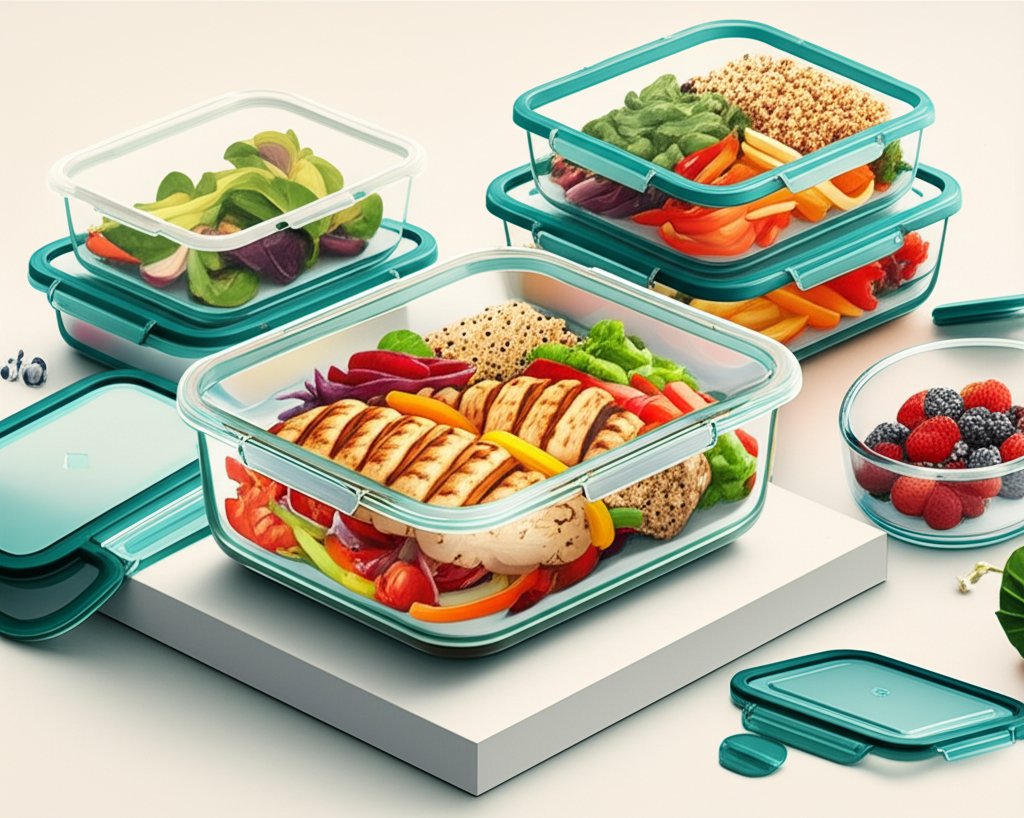
Not all glass containers are created equal. With a growing market, knowing what to look for ensures you get a product that fits your needs and will last for years. When you’re ready to Explore glass bento containers, keep these key factors in mind.
Material Matters: Not All Glass (or Lids) are Equal
The Glass: Look for borosilicate glass. This type is engineered to withstand significant temperature changes without cracking. It’s what allows a container to potentially go from a refrigerator to a preheated oven. Standard “soda-lime” glass (like drinking glasses) is more fragile and less suited for this kind of versatility. Most top brands, like Bentgo, proudly advertise if they use borosilicate.
The Lid: The lid is just as important as the base.
- Lid Material: Lids are typically made from BPA-free plastic or, occasionally, silicone or bamboo. Plastic lids are durable and provide a secure snap-on closure.
- The Seal: The magic is in the silicone seal. Look for a thick, removable silicone gasket that fits snugly inside the lid’s rim. This is what creates the airtight and leak-proof barrier. A removable seal is also crucial for thorough cleaning, preventing mold from building up in the crevices.
Size and Compartments: Match the Box to Your Meals
Think honestly about how you eat. Are you a “one-bowl” meal person, or do you prefer to keep your main, side, and sauce separate?
- Single-Compartment: Perfect for salads, pasta, grain bowls, soups, and leftovers. They offer the most flexibility for larger portions.
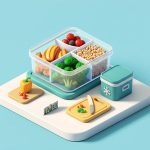
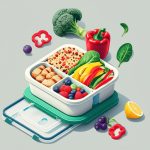
- Multi-Compartment (2, 3, or 4): This is the classic bento style. Ideal for keeping wet and dry ingredients separate (e.g., chicken and rice, crackers and cheese, fruit and yogurt). The dividers are part of the glass mold, so there’s no cross-contamination. You can also explore Our favorite glass bento boxes to see a variety of layouts.
Also, consider the total capacity, usually measured in cups or ounces. A 3-4 cup container is a good starting point for an average adult lunch.
The Lid Lock-Down: Airtight and Leak-Proof are Non-Negotiable
A leaky lunchbox is a disaster. Look for lids with four locking tabs—one on each side. This design provides even pressure on the silicone seal, creating a formidable barrier against spills.
A quick test: When you close the lid and snap the locks, you should hear a satisfying “click.” The lid should feel completely secure, with no wiggle room. An airtight seal not only prevents leaks but also keeps your food fresher for longer.
The Great Lunchbox Debate: Glass vs. Plastic vs. Stainless Steel
How does glass stack up against the other popular options? Each material has its pros and cons, and the best choice depends on your priorities. A great way to start is to Learn about glass bento and its unique position in this landscape.
| Feature | Glass Bento Box | Plastic Bento Box | Stainless Steel Bento Box |
|---|---|---|---|
| Health & Safety | Excellent (inert, no leaching) | Good (if BPA-free) but can degrade | Excellent (inert, no leaching) |
| Stain & Odor Resistance | Excellent | Poor | Excellent |
| Microwave Safe | Yes (base only) | Yes (can warp or degrade over time) | No |
| Oven Safe | Yes (base only, if borosilicate) | No | Yes (base only) |
| Dishwasher Safe | Yes | Yes (top rack recommended) | Yes |
| Weight | Heaviest | Lightest | Lightweight |
| Durability | Very durable, but can break if dropped | Prone to cracking, warping, staining | Extremely durable, can dent |
| Cost | Mid to High | Low | Mid to High |
| The Bottom Line: |
- Choose Glass if: Your top priorities are health, versatility (microwave/oven), and a premium eating experience, and you don’t mind the extra weight.
- Choose Plastic if: You need the most lightweight and budget-friendly option, especially for kids, and are less concerned about staining or long-term durability.
- Choose Stainless Steel if: You need maximum durability and a lightweight option, and you don’t need to microwave your food (great for sandwiches, salads, and cold meals).
Getting the Most from Your Glass Bento: Care and Use Tips
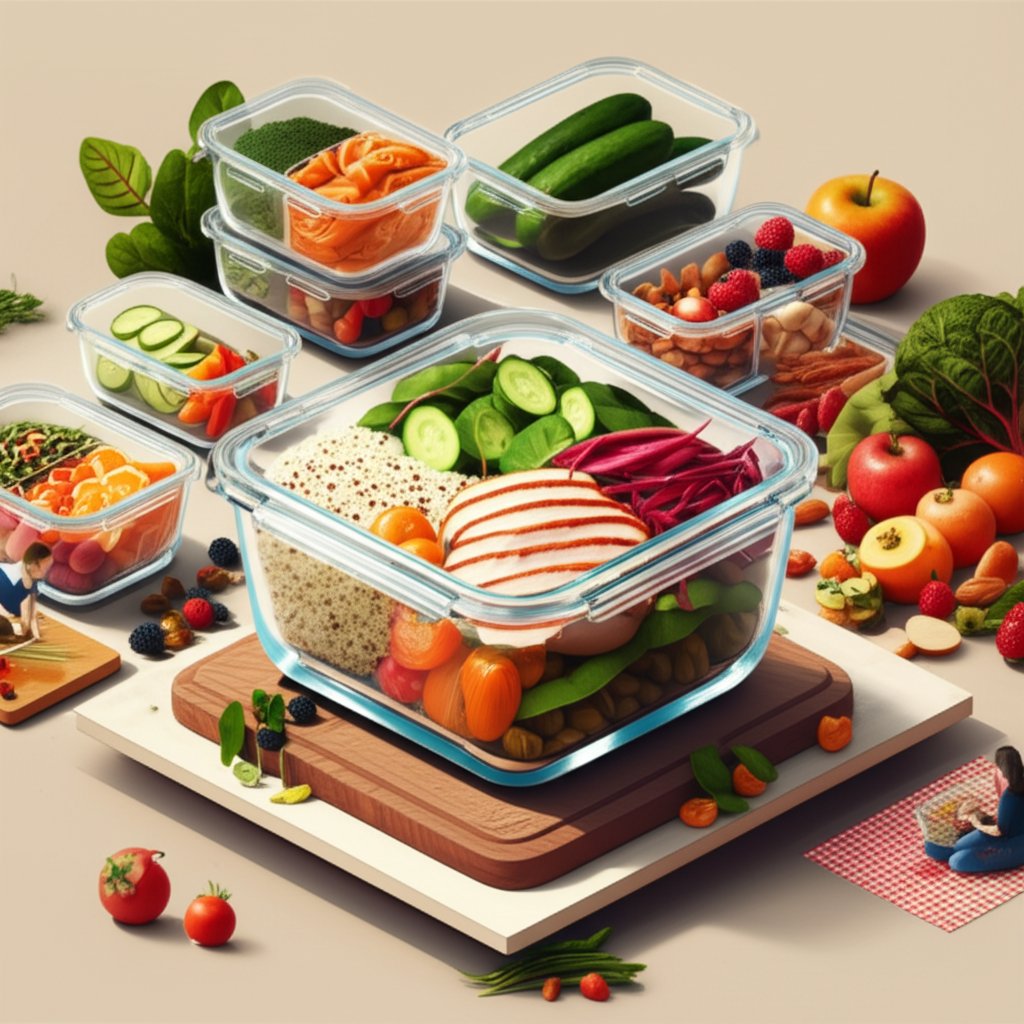
Your glass bento box is a workhorse, but a little smart care will ensure it serves you well for years.
Prepping and Packing Like a Pro
- Cool Before Sealing: Let hot foods cool down for a few minutes before sealing the lid. Trapping steam can create pressure and make the lid difficult to remove later. It also helps prevent bacterial growth.
- Don’t Overfill: Leave a little headspace, especially if you’re freezing liquids like soup, as they will expand.
- Mind the Dividers: For multi-compartment containers, they are great for keeping foods from touching but may not be 100% leak-proof between sections. They are best for keeping damp items (like salsa) away from dry items (like chips), not for holding soup next to a salad.
The Right Way to Reheat
This is where borosilicate glass shines, but you still need to be mindful.
- Always Vent the Lid: Before microwaving, unlatch the lid’s tabs and lift a corner or open the steam vent if it has one. This allows steam to escape and prevents pressure buildup.
- Never Microwave the Lid (Unless Specified): While many plastic lids are “microwave-safe,” this generally just means they won’t melt. Heating them repeatedly can still cause them to degrade or warp over time. It’s best practice to cover your container with a paper towel instead.
- Avoid Extreme Temperature Shocks: Don’t take a container directly from the freezer and put it into a hot, preheated oven. Let it thaw in the fridge overnight or on the counter for a bit first to reduce the risk of cracking.
Cleaning and Maintenance to Prevent Damage
- Remove the Seal: When washing, pop out the silicone seal from the lid. Wash it and the lid channel separately to prevent mold and mildew from growing in that hidden space. Let them dry completely before reassembling.
- Dishwasher Safe, but Hand-Washing is Gentler: While most are dishwasher-safe, hand-washing the lids can extend their lifespan and the integrity of the seal. The high heat of a dishwasher can degrade plastic and silicone over time.
Your Glass Bento Box Questions, Answered
Let’s tackle some of the most common questions people have before making the switch.
Are glass bento boxes really heavy?
Yes, they are noticeably heavier than plastic. This is the main trade-off. However, for many adults, the weight difference in a lunch bag is negligible, and the benefits of a superior, healthier container far outweigh the extra heft. If you have a long walking commute or back problems, it’s a factor to consider.
Can they actually go from the freezer to the oven?
You need to be very careful here. This is where the term “thermal shock” is critical. Borosilicate glass can handle wide temperature ranges, but it can’t handle a sudden change. Moving a frozen block of glass into a 400°F oven is asking for trouble. To be safe, always allow the container to thaw partially or fully before placing it in the oven.
Are the plastic lids safe to use?
Reputable brands use high-quality, BPA-free plastic for their lids. For storage and transport, they are perfectly safe. The main caution is around heating. To be extra safe, avoid putting the lid in the microwave.
What’s the best way to prevent leaks?
It comes down to three things:
- A quality seal: Choose a container with a thick, well-fitting silicone gasket.
- Proper closure: Ensure all four tabs are snapped down securely.
- Upright transport: While good containers are very leak-resistant, it’s always best practice to carry soups and other liquids upright in your lunch bag.
Ready to Make the Switch? Your Next Steps
Upgrading to a bento box glass container is more than just buying a new piece of kitchenware. It’s a small but powerful step toward healthier eating habits, a more sustainable lifestyle, and a more enjoyable lunch break. You’re investing in a tool that eliminates the frustrations of stained, smelly plastic and replaces them with the clean, reliable performance of glass.
By choosing a durable, reusable option, you’re not just getting a better container; you’re casting a vote for less waste and more mindful consumption. Start by considering your daily needs—portion sizes, meal types, and transport—to find the perfect configuration for you.
If you’re ready to find the right fit, you can begin by looking at some of the Best glass lunch boxes on the market. From there, you can dive deeper into the world of organized, beautiful, and delicious meals on the go.

- Easy Meal Prep Mexican Food Recipes to Spice Up Your Week - March 18, 2026
- Easy College Meal Prep Recipes for Affordable Student Meals - March 17, 2026
- Easy Meal Prep Ideas for College Students for a Budget - March 16, 2026