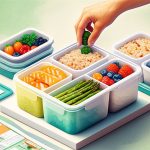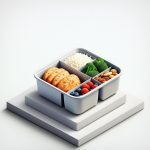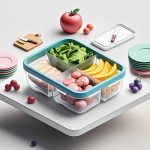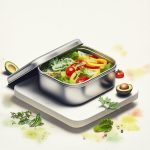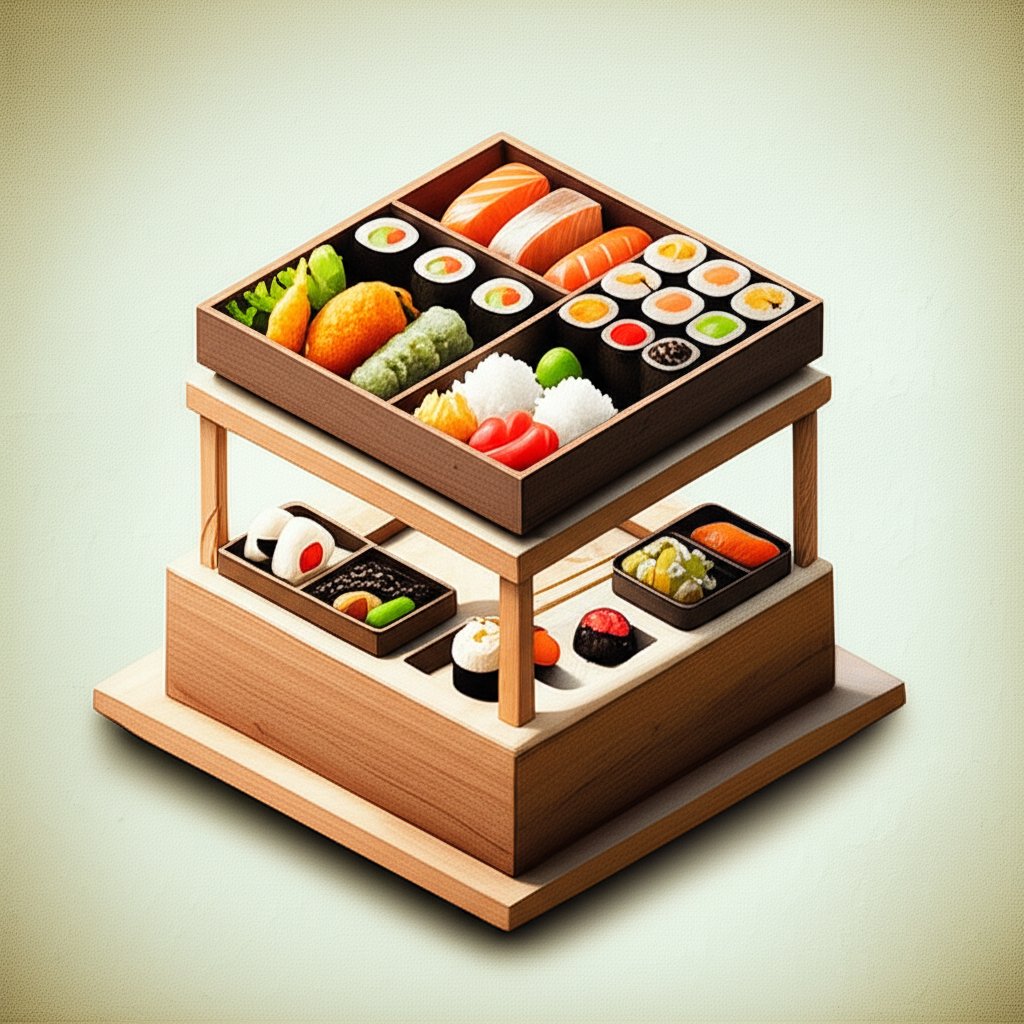
Tired of squished sandwiches and a sad medley of plastic baggies cluttering your lunch bag? You’re not alone. The search for a better way to pack and enjoy a midday meal is what leads many of us to find a bento box for sale. Far more than just a food container, a bento box is a system—an elegant, practical solution for creating varied, portion-controlled, and visually appealing meals that you’ll actually look forward to eating.
This isn’t just about upgrading your Tupperware. It’s about transforming your lunch routine from a chore into a small, daily ritual of self-care. But with a dizzying array of options on the market, how do you choose the right one? This guide will walk you through everything you need to know, from materials and features to where to find the perfect bento for your lifestyle.
Your Lunch Upgrade: At a Glance
Don’t have time to digest it all? Here are the key takeaways for your bento-buying journey:
- It’s a System, Not Just a Box: Bento boxes encourage balanced meals through smart compartmentalization, helping with portion control and reducing food waste.
- Material Matters Most: Your choice between plastic, stainless steel, wood, or glass will determine weight, durability, price, and whether you can microwave your meal.
- Mind the Seals: If you pack anything with sauces or dressings, “leak-proof” is the most important feature to look for. Check for silicone seals on the lid.
- Size and Shape for Your Appetite: Consider what you typically eat. Stackable tiers are great for separating hot and cold items, while single-layer boxes are sleek and compact.
- Convenience is King: Features like dishwasher-safe components, included utensils, and insulated bags can make your daily routine much smoother.
Why a Bento Box Will Revolutionize Your Lunch Hour
Before we dive into the nitty-gritty of shopping, let’s talk about the “why.” What makes a bento box so fundamentally different from a standard lunchbox? It’s all about the philosophy of the meal.
Originating in Japan, “bento” (弁当) is the art of the single-portion, packed meal. Traditionally, it contains a balance of food groups, textures, and colors, all neatly arranged in a compact container. Adopting this approach—even in a simplified way—brings some incredible benefits.
- Built-in Portion Control: The compartments naturally guide you toward packing smaller, more varied portions instead of one large helping of a single dish. This is a game-changer for anyone trying to eat more mindfully.
- Unleash Your Culinary Creativity: The separate sections beg for variety. A little salad here, some fruit there, a main dish in the largest spot. You’ll find yourself packing more interesting and nutritionally balanced meals without even trying.
- Say Goodbye to Food Waste: Leftover roasted vegetables from dinner? A handful of grapes? That last scoop of quinoa? A bento box has a perfect spot for all of them, preventing small amounts of food from languishing in your fridge.
- Save Money and Eat Healthier: Packing your own lunch is one of the most effective ways to manage your budget and control your ingredients. A bento makes this process efficient and enjoyable, reducing the temptation of expensive and often less-healthy takeout.
In short, a bento box isn’t just a container; it’s a framework that makes packing a better lunch almost effortless.
Decoding Bento Box Materials: From Practical to Traditional
The single most important decision you’ll make is the material. It impacts everything: price, durability, weight, and how you can heat and clean your box. Let’s break down the most common options.
The Everyday Workhorse: Plastic
Lightweight, colorful, and endlessly versatile, plastic is the most common material for modern bento boxes. It’s often the most affordable entry point into the world of bento and offers a huge range of shapes and compartment configurations.
- Pros: Inexpensive, lightweight for commuting, and usually microwave and dishwasher-safe (always check the label!).
- Cons: Can stain with foods like tomato sauce or turmeric, may retain odors over time, and lower-quality plastics can warp or crack.
When you start exploring plastic bento boxes, you’ll find that most reputable brands are made from food-grade, BPA-free polypropylene. However, it’s always smart to double-check the product specifications and ask, “Are plastic bentos safe?” before you buy, especially if you plan to microwave in it.
The Sleek and Durable Option: Stainless Steel
For those who want to avoid plastic entirely, stainless steel is a fantastic alternative. It’s tough, stylish, and has a clean, modern aesthetic. Think of it as the buy-it-for-life option.
- Pros: Extremely durable, won’t stain or absorb odors, and is completely non-toxic. Many people find that food tastes “cleaner” from a steel container.
- Cons: Cannot be used in the microwave. Steel boxes can also be heavier and are often more expensive than their plastic counterparts. Leak-proof versions rely heavily on the quality of the lid’s silicone seal.
The Artisanal Choice: Wood or Bamboo
If you’re drawn to the traditional Japanese aesthetic, nothing beats a wooden bento box, or magewappa. These are often handcrafted from cedar or cypress and are as beautiful as they are functional.
- Pros: Stunningly beautiful, lightweight, and wood has natural insulating and moisture-wicking properties that help keep rice fluffy.
- Cons: High-maintenance. They require careful hand-washing, cannot go in the microwave or dishwasher, and are generally not leak-proof. They are also the most expensive option, often treated as a piece of functional art.
The Transparent All-Rounder: Glass
Glass containers with sectioned dividers offer a bento-like experience with a few unique advantages. They’re a great choice for those who meal-prep at home and want an easy transition from fridge to microwave to table.
- Pros: Completely non-porous (no stains or smells), safe for both microwave and oven (check the lid!), and easy to see what’s inside.
- Cons: Significantly heavier and more fragile than any other option, making them less ideal for a long commute on public transport or for kids.
Finding Your Perfect Fit: Size, Shape, and Compartments
Once you’ve settled on a material, the next step is to think about the physical layout of the box. How you use it will determine the best configuration for you.
How Many Tiers Do You Need?
Bento boxes generally come in two styles:
- Single-Layer: These are sleek, slim, and easy to slide into a work bag or backpack. They are perfect for meals where components can sit side-by-side, like a large salad with toppings, a sandwich with fruit, or a grain bowl.
- Multi-Layer (Stackable): These feature two or more containers that stack on top of each other, held together by a band or clips. This is the ultimate solution for separating food. You can keep a curry and rice in different tiers to prevent sogginess, or pack a hot main dish in one and a cold salad in the other.
The Magic of Compartments and Trays
The dividers are the heart of the bento system. They keep your crackers from getting soggy and your grapes from rolling into your chicken salad.
Look for a layout that matches your eating style. Do you prefer one main dish with two small sides? A box with one large and two small compartments would be ideal. If you’re more of a “snacker,” a box with multiple, equally-sized sections might be better. Some models feature a single removable insert, which functions like a bento box tray for incredibly easy cleaning and food prep.
Some systems are modular, allowing you to explore bento box trays and containers from the same brand to mix and match. For even more flexibility, you can discover bento trays made from silicone that can be added to larger, open-style boxes to create custom compartments on the fly.
Essential Features That Make or Break a Bento Box
Two bento boxes can look similar but perform very differently. Pay close attention to these key features to avoid disappointment.
- Leak-Proofing: This is non-negotiable for most people. A truly leak-proof box will have a silicone gasket fitted into the lid that creates a tight seal. Note that some boxes are only leak-proof between the box and the outside world, not between internal compartments. If you need to keep your yogurt separate from your granola, look for a box where each compartment lid seals individually.
- Microwave & Dishwasher Safety: For pure convenience, this is a must. Always check the manufacturer’s instructions. Often, the container base is microwave-safe, but the lid is not. The same goes for the dishwasher—most are top-rack only to prevent warping.
- Included Utensils: Many bento boxes come with a cleverly integrated fork, spoon, or chopsticks that snap into the lid. It’s a small detail that you’ll appreciate when you’re rushing out the door.
- Ease of Use: Can you open it easily? Some airtight seals can be tough to pry open, which can be a real issue for children or anyone with limited hand strength. Look for lids with easy-to-lift tabs or user-friendly latches.
Where to Find the Best Bento Box for Sale
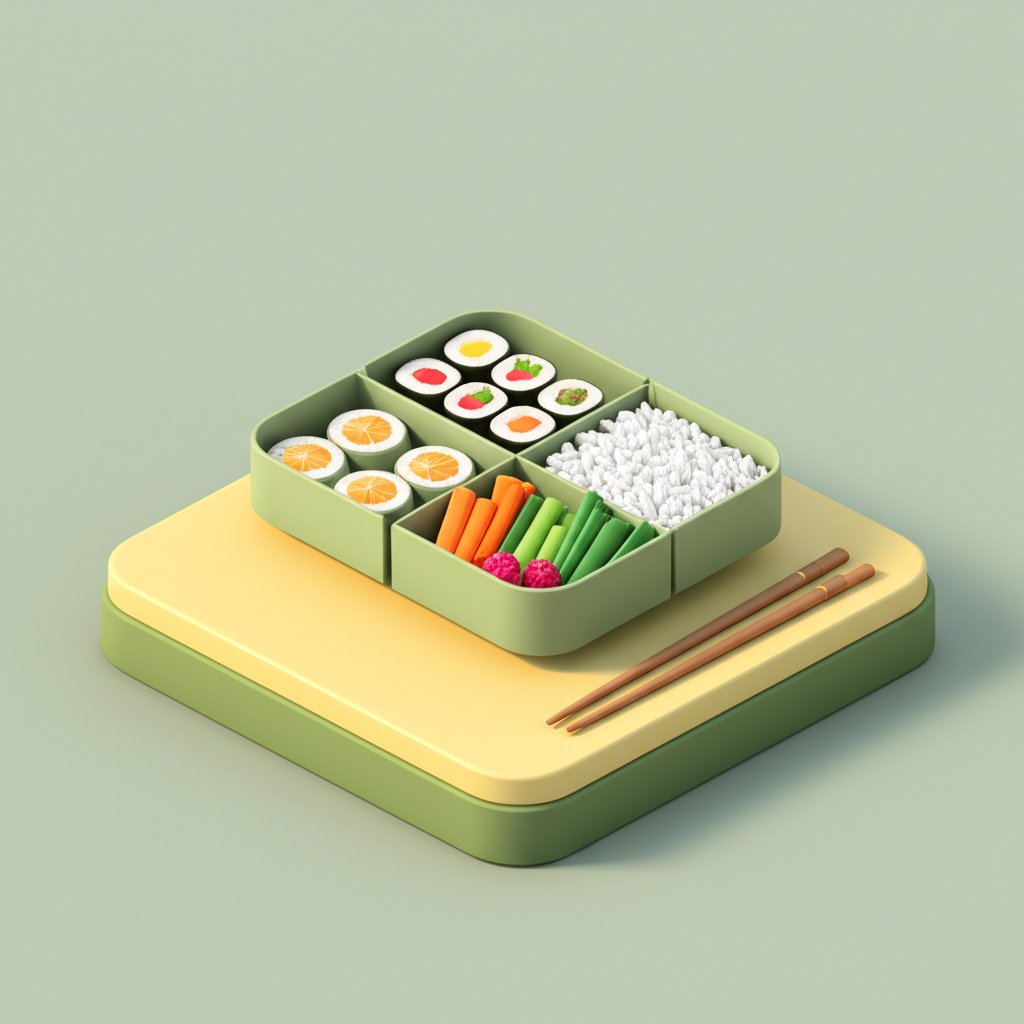
Now for the fun part: the hunt. You can find bento boxes in more places than ever before, from big-box retailers to specialty online shops.
Online Marketplaces: The Widest Selection
Websites like Amazon, Walmart, and specialty kitchenware sites offer the largest possible selection. You can compare dozens of brands, styles, and price points in one place. The user reviews are invaluable for getting a real-world sense of a box’s durability and leak-proofing capabilities. The process to shop for bento boxes online is convenient, but you lose the ability to handle the product before purchasing.
Specialty Stores and Japanese Markets
For high-quality, authentic options, nothing beats a dedicated Japanese home goods store or a large Asian market. Here, you can find traditional wooden magewappa, beautifully designed plastic boxes from Japanese brands, and a wide array of bento accessories. You might be surprised to find great Bento Box Sales Nearby at a local kitchen supply store, allowing you to see and feel the quality firsthand.
Navigating Price: What Should You Expect to Pay?
The cost of a bento box can vary dramatically. Our bento box price guide shows that simple plastic models for kids can start under $15. A high-quality, leak-proof plastic or stainless steel bento from a well-known brand typically falls in the $25-$40 range. Artisanal wooden boxes are an investment, often costing $60 or more.
Pro Tip: Don’t just look at the upfront cost. A durable, well-made $35 box that you love and use for years is a much better value than a $15 box that cracks or leaks after a few months.
Answering Your Bento Box Questions
Still have a few questions? You’re not alone. Here are some of the most common queries we hear.
Q: What is a bento box, really?
A: At its simplest, it’s a lunchbox with interior dividers. More broadly, it represents a Japanese cultural approach to packing a single-serving meal that is balanced, visually appealing, and convenient.
Q: Can you put liquids like soup in a bento box?
A: It depends. A box labeled “leak-proof” is designed to contain thicker liquids like yogurt, stews, or saucy dishes without them seeping out of the container. However, for thin liquids like brothy soup, it’s always safer to use a dedicated insulated thermos. No bento is truly “spill-proof” if turned completely upside down and shaken vigorously.
Q: How do you pack a bento box so it looks good?
A: You don’t need to be a food artist! The secret is variety and packing tightly.
- Add Color: Include fruits and veggies of different colors (e.g., cherry tomatoes, carrot sticks, sliced cucumber, purple grapes).
- Use Dividers: Silicone muffin cups are a cheap and brilliant way to add extra compartments for small items like nuts or berries.
- Pack Tightly: Fill all the gaps to prevent food from shifting around during transit. This is the key to arriving at lunchtime with your design intact.
Q: Are bento boxes just for Japanese food?
A: Absolutely not! That’s the beauty of them. They are perfect for deconstructed tacos, pasta salad with sides, Mediterranean platters with hummus and pita, or even a classic American-style lunch with a sandwich, veggies, and a treat. The compartments are a blank canvas for any cuisine.
Your Next Step: Choosing the Right Lunch Companion
You’re now equipped with the knowledge to navigate the world of bento. The perfect box isn’t about finding the “best” one on the market, but about finding the one that best fits your life.
Before you start your search, take a moment to think about your daily routine.
- Do you commute by car or by train? (Weight might be a factor).
- Do you have access to a microwave at work?
- What kinds of foods do you enjoy for lunch? (Saucy or dry? Hot or cold?).
- How important is ease of cleaning to you?
Answering these questions will narrow down your options and make your decision much clearer. The ultimate goal is to find a lunch container that makes you happy to use it. Now that you’re armed with this information, you’re ready to shop for bento boxes with the confidence of a seasoned pro, transforming your midday meal one well-packed lunch at a time.

- Cold Meal Prep Makes Healthy, Stress-Free Lunches Easy - March 9, 2026
- Meal Prep Ideas for Healthy Eating Throughout Your Busy Week - March 8, 2026
- Sectioned Tupperware for Organized Meals and Snacks on the Go - March 7, 2026