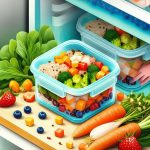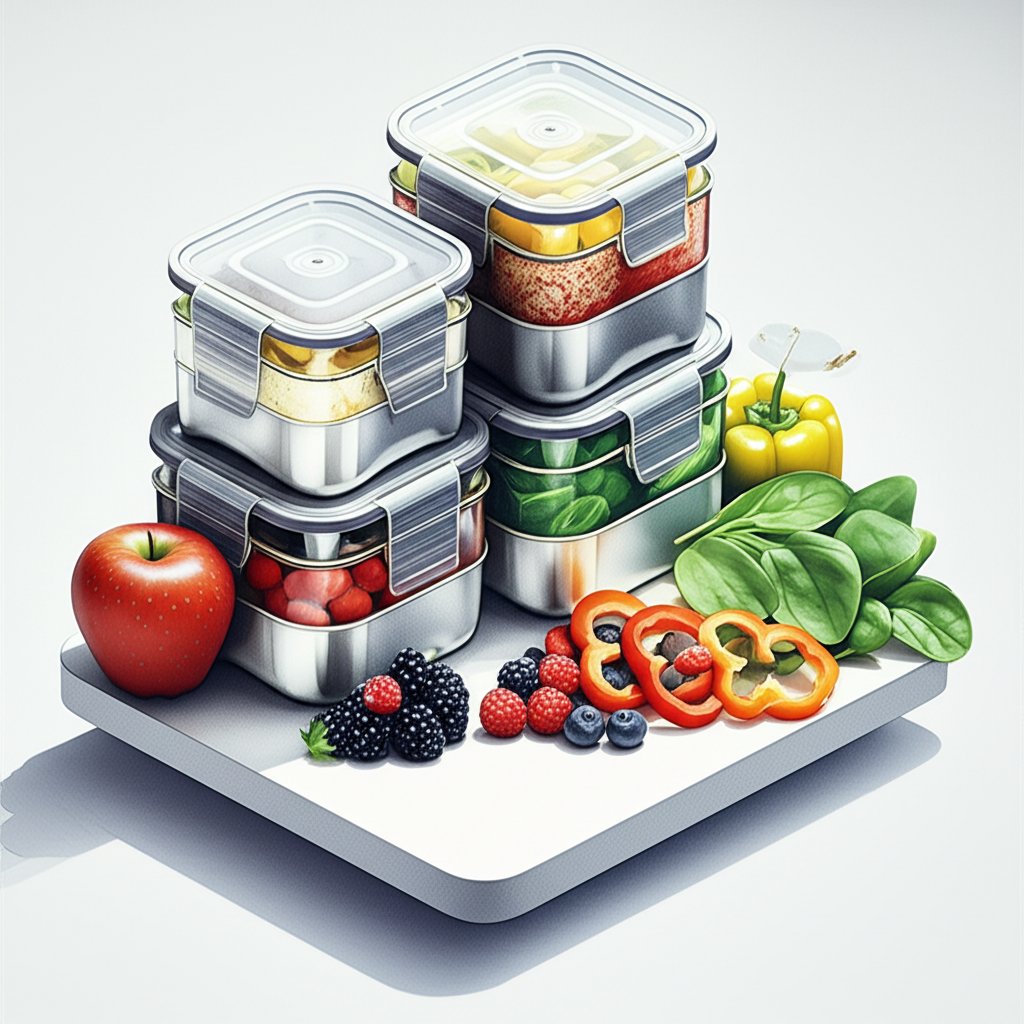
You open the cabinet and it’s a familiar, frustrating scene: a jumble of stained, warped plastic containers with a separate, chaotic pile of mismatched lids. You grab one for leftovers, and it still faintly smells like last week’s curry. This daily friction is what sends so many of us looking for a better solution—and the answer is increasingly found in durable, clean, and reliable metal tupperware.
This isn’t your grandmother’s old tin box. Modern stainless steel food containers are a game-changer for anyone serious about meal prep, reducing waste, and keeping food genuinely fresh. They close the gap between storage and serving, offering a permanent solution to the endless cycle of buy-use-toss that defines plasticware.
At a Glance: Your Quick Guide to Metal Food Storage
- Health & Safety: Learn why food-grade stainless steel is a superior choice, free from the BPA, phthalates, and microplastics associated with plastic containers.
- Durability & Longevity: Understand how investing in metal tupperware means buying a product for life, ending the cycle of replacing cracked and stained plastic.
- Practical Versatility: Discover which containers can go from the fridge to the freezer and straight into the oven (but never the microwave!).
- The Lid Decision: Get clarity on the pros and cons of different lid types—from leak-proof silicone to simple stainless steel tops—and which is right for you.
- Smart Shopping: Pinpoint the key features to look for when buying your first set, ensuring you get the best value and performance for your needs.
The Real Reasons to Ditch Plastic for Stainless Steel
The move away from plastic isn’t just about kitchen organization; it’s a conscious choice for health, sustainability, and long-term value. While plastic is cheap and lightweight, its drawbacks become more obvious with every use.
Plastic containers, especially when heated, can leach chemicals like BPA and phthalates into your food. They absorb oils and pigments, leading to permanent stains from tomato sauce or turmeric. Over time, they also retain odors, imparting a stale scent to fresh food.
Metal tupperware, typically made from high-quality 304 stainless steel, is a non-reactive and inert material.
- It doesn’t stain. Pack a vibrant beet salad or a rich bolognese sauce without a second thought.
- It doesn’t hold odors. Yesterday’s garlic-heavy pasta won’t haunt today’s fresh fruit salad.
- It doesn’t leach. You get pure food flavor, with no unwanted chemical undertones, hot or cold.
This fundamental difference in material science is the core reason why stainless steel is the preferred choice in professional kitchens and is now making its way into our homes as the ultimate food storage upgrade.
A Head-to-Head Comparison: Metal vs. Plastic
| Feature | Metal Tupperware (Stainless Steel) | Traditional Plastic Tupperware |
|---|---|---|
| Durability | Extremely high; resists dents, won’t crack or shatter. A lifetime product. | Low to moderate; becomes brittle, cracks, and warps over time, especially with heat. |
| Health & Safety | Excellent; non-porous, non-leaching, naturally BPA-free. | Concerns over BPA, phthalates, and microplastic shedding, especially when heated. |
| Stain & Odor Resistance | Excellent; does not absorb stains or odors. | Poor; easily stained by foods like tomato sauce and spices; retains odors. |
| Heat Tolerance | Oven-safe and freezer-safe (check manufacturer specs). Never microwave. | Microwave-safe (with leaching risks), freezer-safe (can become brittle). Not oven-safe. |
| Upfront Cost | Higher initial investment. | Low initial cost. |
| Long-Term Value | Excellent; “buy it once” philosophy saves money over time. | Poor; requires frequent replacement, creating a cycle of spending and waste. |
| Eco-Impact | Highly sustainable; infinitely recyclable and reduces plastic waste. | Contributes to plastic pollution; difficult to recycle, often ends up in landfills. |
Your Guide to Choosing the Right Metal Tupperware
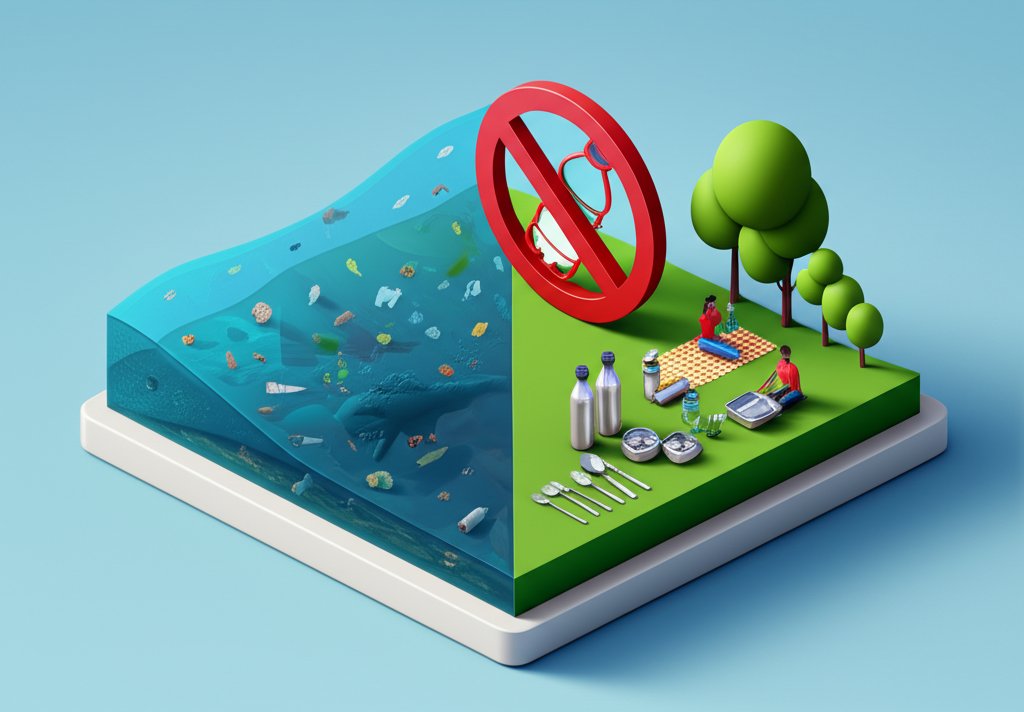
Walking into the world of metal food storage can feel overwhelming with all the different shapes, sizes, and lid types. The key is to match the container’s features to your specific lifestyle. While our complete Stainless food storage guide covers the broad universe of stainless steel options, we’ll focus here on the practical decisions for everyday meal prep and storage.
The Single Most Important Factor: The Lid
You can have the best steel box in the world, but if the lid fails, the container is useless for transport. Lids are the number one point of failure and frustration, so pay close attention here.
1. Silicone-Sealed Locking Lids (The Leak-Proof Workhorse)
These are the most popular choice for a reason. They typically feature a plastic or steel lid with a removable silicone gasket and locking clips on two or four sides.
- Best for: Soups, stews, dressings, yogurt, and any liquid-heavy meal you plan to carry in a bag. They offer peace of mind against spills.
- Case Snippet: A commuter who preps lentil soup for lunch every week relies exclusively on four-sided locking lids. The silicone gasket creates an airtight and watertight seal, so she can toss it in her tote bag without worrying about leaks on her laptop.
- Downside: The clips can be a point of failure over many years, and the silicone gasket needs to be removed and cleaned periodically to prevent mold buildup.
2. All-Stainless Steel Lids (The Simple & Durable Option)
These lids are made entirely of stainless steel and press-fit onto the container base. They offer a 100% plastic-free solution. - Best for: At-home storage of solids, like leftovers in the fridge, chopped vegetables, or storing dry goods in the pantry. They are fantastic for reheating in the oven or toaster oven.
- Case Snippet: A family uses containers with steel lids to store pre-chopped veggies for the week. Since they aren’t transporting liquids, the simple, durable, and easy-to-clean nature of the steel lid is perfect.
- Downside: Most are not fully leak-proof. They are water-resistant at best, so don’t trust them with soup in your backpack.
3. Silicone Stretch Lids (The Flexible Topper)
Some brands offer just the stainless steel base, designed to be used with flexible, food-grade silicone lids that stretch over the top. - Best for: Covering bowls of leftovers at home. They are versatile and can fit multiple container sizes.
- Downside: They offer a weaker seal than locking lids and can lose their “stretch” over time. They are not ideal for rough-and-tumble transport.
Size and Shape Strategy: Build Your Collection with Purpose
Avoid the temptation to buy a massive, 20-piece set of metal tupperware right away. You’ll likely end up with sizes you never use. Instead, start with a few key pieces that match your actual eating habits.
- The Lunchbox Hero (25–40 oz Rectangle): This is the most versatile size. It’s perfect for a salad, a grain bowl, or a main dish with a side. Many come with removable dividers, allowing you to separate a sandwich from fruit, for example.
- The Snack & Dip Pods (4–8 oz Round): These small containers are indispensable for hummus, nuts, dressings, or a side of yogurt. Getting ones that are guaranteed leak-proof is critical here.
- The Leftover Saver (50–70 oz Square/Rectangle): A larger container is perfect for storing a batch of chili, a small roasted chicken, or enough leftovers for two people. Look for one that is oven-safe for easy reheating.
- The Marinade Master (100+ oz Large Rectangle): For serious meal preppers, a very large, shallow container is ideal for marinating chicken thighs, flank steak, or tofu. The non-reactive steel won’t interfere with acidic marinades like citrus or vinegar.
A Practical Playbook for Everyday Use
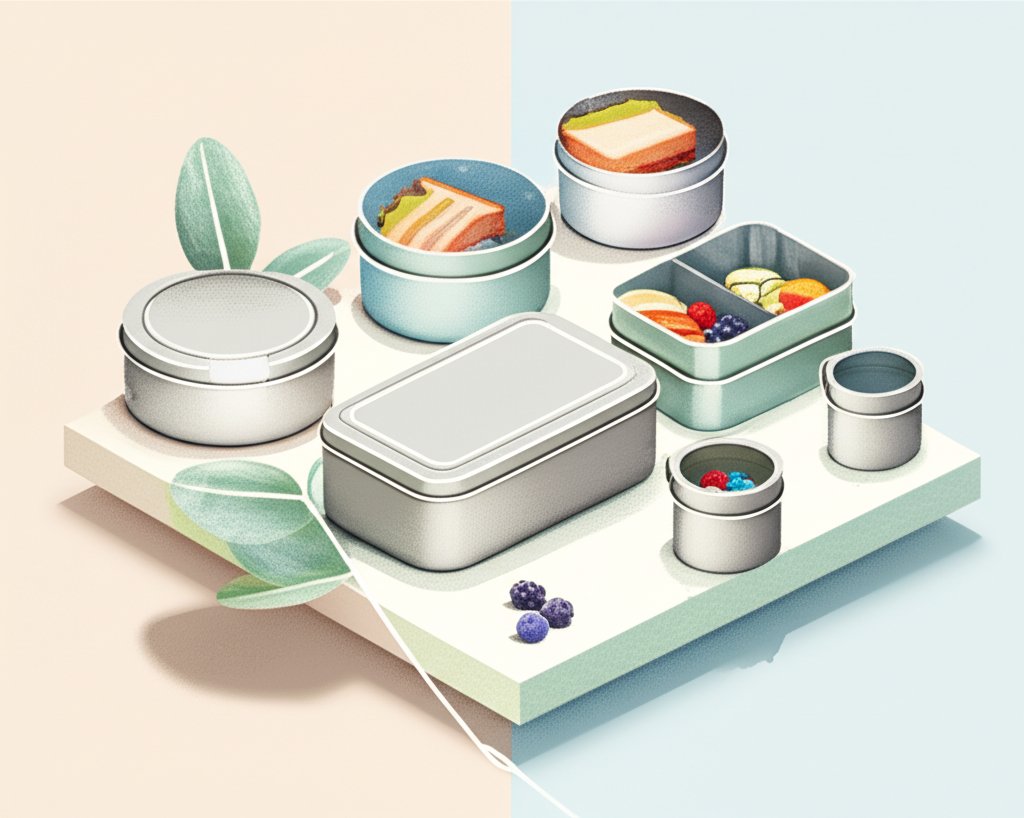
Switching to metal tupperware involves a slight shift in habits, particularly around heating food. Follow these best practices to get the most out of your investment.
Reheating: From Freezer to Oven, The Right Way
One of the biggest advantages of many stainless steel containers is their ability to go in the oven. This means you can store, transport, and reheat in the same container, reducing cleanup.
Step-by-Step Oven Reheating:
- Always Remove the Lid: Plastic or silicone-sealed lids are not oven-safe and will melt. Even all-steel lids should be removed to allow for even heating.
- Avoid Extreme Temperature Shock: If your container is coming directly from the freezer, it’s best to let it sit on the counter for 15-20 minutes or thaw it in the fridge overnight. Placing frozen metal in a piping hot oven can, in rare cases, cause warping.
- Follow Manufacturer Guidelines: Most high-quality metal tupperware is safe up to 400°F (200°C), but always check the specific product’s instructions.
- Use Oven Mitts: This seems obvious, but it’s the easiest mistake to make. The container will be extremely hot.
Cleaning for a Lifetime of Service
Stainless steel is incredibly easy to clean and maintain.
- Dishwasher Safe (Mostly): Most stainless steel bases are 100% dishwasher safe. They come out sparkling clean every time.
- Hand-Wash Lids: For locking lids with silicone gaskets, it’s often better to hand-wash them. High heat in a dishwasher can degrade the silicone and plastic components over time, compromising the leak-proof seal.
- Deep Clean the Gasket: Once a week, pop the silicone gasket out of the lid channel and wash it and the channel separately with soap and water. This prevents any grime or mold from building up in that hidden space.
- Removing Rainbow Stains: Occasionally, you might notice a faint rainbow-like sheen on your steel after washing. This is called “heat tint” and is a harmless result of minerals in water and food. To remove it, simply wipe the inside of the container with a soft cloth dipped in white vinegar.
Quick Answers to Common Metal Tupperware Questions
Q: Can I put metal tupperware in the microwave?
A: Absolutely not. Metal reflects microwaves, which can cause sparks and severely damage your appliance. This is the single biggest rule when switching from plastic. Plan to reheat food in an oven, a toaster oven, or by transferring it to a microwave-safe plate.
Q: Will stainless steel make my food taste metallic?
A: No. High-quality, food-grade stainless steel (like 304 or 18/8) is non-reactive and non-porous. It will not leach any flavors into your food, which is why it’s the standard material for cookware, cutlery, and commercial kitchens. If you notice a metallic taste, it could be a sign of a very low-quality, non-food-grade container.
Q: Isn’t metal tupperware really heavy?
A: It is heavier than plastic, but much lighter than glass. A standard 35oz stainless steel lunch container weighs around 10-12 ounces, which is perfectly manageable in a lunch bag or backpack. The durability and other benefits easily outweigh the minor increase in weight.
Q: Is the higher price really worth it?
A: Yes, when you consider the total cost of ownership. A good metal container might cost $20-$30, whereas a plastic one is $5. But that plastic container may need to be replaced every year or two due to staining, warping, or cracking. The stainless steel container, with proper care, can last decades. You might spend $50 on plastic over ten years; you’ll spend $25 once on steel.
Your First Purchase: A Simple 3-Step Decision Guide
Ready to make the switch? Don’t buy a whole set at once. Start smart.
- Audit Your Go-To Meal. What is the one meal you pack or store most often? Is it a big salad? A hearty soup? Leftovers for one? Let that primary use case guide your first purchase.
- Prioritize Your #1 Feature. Do you absolutely need it to be 100% leak-proof for your commute? Or is being oven-safe for easy reheating at home more important? Choose a container that excels at your top priority.
- Buy One and Test Drive It. Purchase a single, high-quality container in the size and style you identified. Use it for a few weeks. See how it fits into your routine—packing it, carrying it, cleaning it. This trial run will tell you everything you need to know before investing in a larger collection.
Moving to metal tupperware is more than just an organizational upgrade; it’s an investment in healthier habits, a cleaner planet, and a more streamlined kitchen. By replacing the clutter of disposable plastic with a few high-performing, buy-it-for-life pieces, you simplify your daily routine and gain the quiet satisfaction of using a tool that is built to last.

- Master Vegan Freezer Meal Prep to Simplify Your Busy Schedule - June 18, 2026
- Vegan Freezer Cooking Simplifies Healthy Meals on Busy Nights - June 17, 2026
- Vegetarian Freezer Recipes for Effortless Meal Prep and Delicious Dinners - June 16, 2026