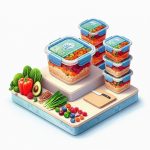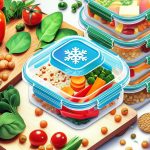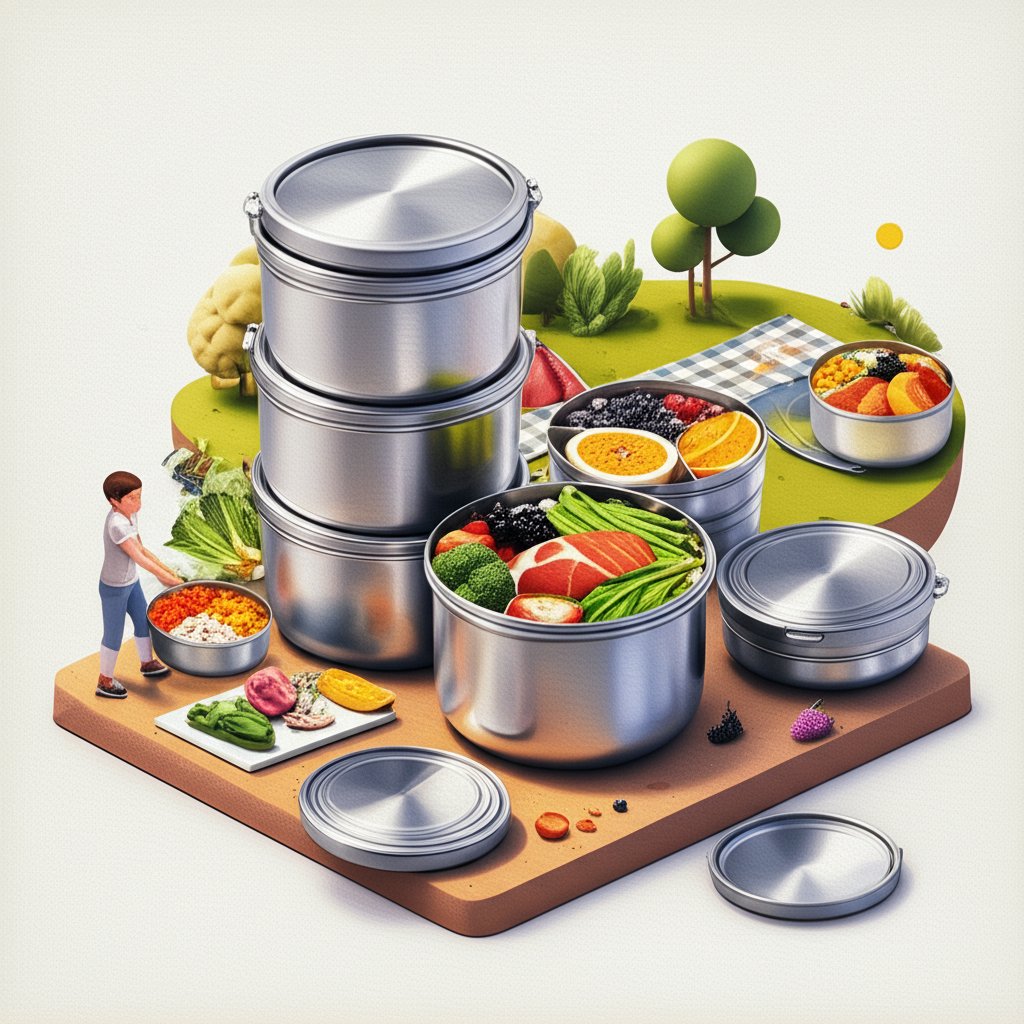
Tired of seeing your plastic food containers warp in the dishwasher or permanently stain from last week’s tomato sauce? A high-quality stainless food container offers a simple, permanent solution. Unlike its plastic counterparts, it won’t absorb odors, discolor, or crack after a few uses, making it a reliable workhorse for everything from meal prep to packing daily lunches.
This isn’t just about finding a tougher box; it’s about upgrading to a cleaner, more versatile, and longer-lasting food storage system. By choosing the right container, you invest in fresher meals and a more organized kitchen for years to come.
At a Glance: Your Quick Guide
- Why Stainless Steel Wins: Understand the key advantages over plastic and glass, including durability, purity of taste, and temperature retention.
- Choosing the Right Container: Learn to distinguish between single-wall and insulated designs, and how to select the perfect lid for leak-proof performance.
- Everyday Practicality: Discover how to use stainless containers for more than just leftovers—from marinating meats to creating a zero-waste lunch kit.
- Care and Longevity: Get simple, effective tips for cleaning and maintaining your containers to keep them looking and performing like new.
- Common Questions Answered: Find clear, direct answers to frequent concerns, including microwave safety and rust prevention.
Why Make the Switch to Stainless Steel?
While glass is heavy and plastic has its drawbacks, stainless steel occupies a sweet spot of durability, safety, and performance. Understanding these core benefits helps clarify why it’s become a go-to choice for health-conscious and organized homes. For a complete comparison of how different materials fit into a comprehensive kitchen system, our Stainless food storage guide provides a broader framework.
Unmatched Durability: The Last Container You’ll Buy
The most immediate benefit is strength. A stainless food container is virtually indestructible with normal use. It won’t shatter if dropped like glass, nor will it crack, warp, or become brittle over time like plastic. This makes it ideal for packed lunches, outdoor trips, and busy households with kids. While a hard drop might leave a dent, it won’t compromise the container’s integrity.
- Real-World Scenario: A parent packs a lunch for their child in a stainless container. It gets tossed around in a backpack all day and dropped during recess. The result? The food inside is perfectly protected, and the container is ready to be washed and reused, unlike a cracked plastic container or shattered glass one.
Purity of Flavor: No More Stains or Lingering Odors
Stainless steel is non-porous. This simple fact has powerful implications. It means the container will never absorb food odors, flavors, or colors. The garlic from yesterday’s pasta won’t haunt today’s fresh fruit salad, and a vibrant curry won’t leave a permanent yellow stain. This ensures your food always tastes exactly as it should.
Superior Temperature Control
Metal is an excellent conductor, which gives stainless steel an edge in temperature management.
- Single-Wall Containers: These are lightweight and perfect for fridge storage. They chill food quickly and help it stay cool longer than plastic when packed in an insulated bag.
- Insulated (Double-Wall) Containers: These act like a mini-thermos, using a vacuum between two layers of steel to keep hot foods hot and cold foods cold for hours. They are perfect for soups, stews, or yogurt parfaits when refrigeration isn’t available.
A Healthier, Non-Toxic Choice
High-quality stainless steel, typically grade 304 (also known as 18/8), is an inert and non-reactive material. It doesn’t contain BPA, phthalates, or other chemicals found in some plastics that can leach into your food, especially when heated. This gives you peace of mind that you’re storing your meals in a safe, clean material.
Decoding the Options: A Practical Buyer’s Guide

Not all stainless containers are created equal. The container’s wall construction, lid design, and shape all play a role in its performance. Focusing on these three factors will ensure you get the right tool for the job.
Single-Wall vs. Insulated: What’s the Real Difference?
Your primary use case will determine which type you need. One isn’t universally better than the other; they serve different purposes.
| Feature | Single-Wall Container | Insulated Container |
|---|---|---|
| Best For | Leftovers, meal prep, pantry storage, packing in a cooler. | Hot lunches (soup), cold snacks (yogurt), travel. |
| Weight | Lightweight and easy to carry. | Heavier and bulkier due to the double-wall construction. |
| Cost | More affordable. | More expensive. |
| Freezer Safe | Yes, excellent for freezing foods. | Generally not recommended for deep freezing. |
| Quick Decision: If you need to keep soup hot until lunch, get an insulated container. For everything else, a single-wall container is the more versatile and cost-effective choice. |
The Lid Matters Most: Silicone, Steel, or Plastic?
The lid is the most critical component for preventing leaks and ensuring an airtight seal.
- Silicone Lids: These are the most common and often the best choice for a leak-proof seal. The flexible material creates a tight fit. Look for lids with clips or tabs that snap down for extra security. They are generally dishwasher-safe (top rack) but not oven-safe.
- Stainless Steel Lids: These are incredibly durable and often feature a silicone gasket on the inside rim to create a seal. They offer a 100% plastic-free option. However, the seal can sometimes be less reliable than a full silicone lid, so they are better for solid foods.
- Plastic Lids: Some stainless containers come with BPA-free plastic lids. They are often easy to snap on and off and can be transparent, allowing you to see what’s inside. Just be sure they are from a reputable brand and handle them with care, as they are the most likely part to break.
Pro Tip: To test for a leak-proof seal, fill the container with water, secure the lid, and shake it over the sink. It’s a simple test that can save your work bag from a dressing disaster.
Finding the Right Size and Shape for Your Needs
Don’t just buy a random set. Think about how you’ll use them.
- Small Rounds (4-8 oz): Perfect for dips, sauces, nuts, berries, or salad dressing.
- Medium Squares/Rectangles (12-24 oz): The ideal size for a sandwich, a side salad, or a leftover portion of a single meal.
- Large Rectangles (30-50 oz): Your meal prep powerhouse. Great for storing a batch of roasted vegetables, marinated chicken breasts, or a family-sized portion of quinoa.
- Tall Rounds (10-16 oz): The classic “food jar” shape, often insulated. Best for soups, chilis, and oatmeal.
Beyond Leftovers: Putting Your Stainless Containers to Work

A great stainless food container is far more than a simple storage box. Its properties make it a versatile kitchen tool.
The Ultimate Meal Prep Partner
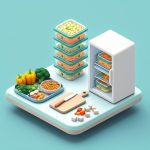
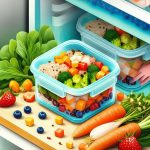
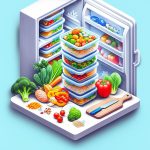
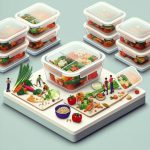
Stainless steel is a meal prepper’s best friend. Its non-porous surface is perfect for marinating chicken or fish without retaining odors. You can chop all your vegetables for the week and store them in large rectangular containers; they’ll stay crisper than they would in a plastic bag. Because the containers are stackable and uniform, they create a neat, organized “meal bank” in your fridge.
Safe and Sturdy for On-the-Go Lunches
Forget flimsy plastic for your lunch kit.
- For Kids: A stainless container can withstand the rough-and-tumble environment of a school backpack. You can pack a deconstructed lunch (e.g., crackers, cheese, and deli meat in separate compartments) without worrying about everything getting crushed.
- For Adults: A sleek, rectangular container with a leak-proof lid is perfect for taking salads to work. The dressing can be kept in a small, separate container to prevent sogginess. An insulated jar is a game-changer for anyone who doesn’t have access to a microwave at lunchtime.
From Freezer to Oven: A Note on Versatility
Most single-wall stainless steel containers are freezer-safe, making them excellent for storing batches of soup or chili. Many are also oven-safe (typically up to 350-400°F). This allows you to reheat leftovers directly in the container, reducing the number of dishes you have to wash.
Crucial Warning: Never put the lid (whether silicone or plastic) in the oven. The base is metal, but the lid is not. Always check the manufacturer’s instructions for specific temperature limits.
Quick Answers to Common Questions
Here are direct answers to the most frequent questions and concerns about using a stainless food container.
Q: Can you put a stainless food container in the microwave?
A: No, absolutely not. Metal reflects microwaves, which can damage your appliance and is a fire hazard. Stainless containers are designed for oven reheating (base only) or for storing food to be eaten cold or at room temperature.
Q: Are all stainless steel food containers food-grade?
A: Reputable brands use food-grade stainless steel, most commonly Type 304, also known as 18/8 stainless steel. This number refers to the percentage of chromium (18%) and nickel (8%) in the alloy, which makes it highly resistant to rust and corrosion. Be wary of unbranded, cheap containers, as they may be made from lower-quality metal.
Q: Will my stainless steel container rust?
A: Food-grade stainless steel is highly rust-resistant, but not 100% rust-proof. Rust spots can occasionally appear if the container is scratched and then exposed to salt or acids for a prolonged period. To fix it, simply scrub the spot with a paste of baking soda and water or a non-abrasive cleanser.
Q: Are they completely leak-proof?
A: This depends entirely on the lid design. A container with a high-quality silicone lid and secure clips will be virtually leak-proof. A container with a simple press-on steel lid is better suited for solid foods. Always check the product description for “leak-proof” or “airtight” claims.
Q: Why are they more expensive than plastic?
A: The initial cost is higher, but the lifetime value is far greater. You might replace a set of plastic containers every year or two as they stain, warp, and crack. A set of stainless steel containers can last a decade or more, making them the more economical and sustainable choice in the long run.
Your First Step to a Better-Organized Kitchen
Switching to stainless steel simplifies your food storage. You eliminate the clutter of stained, mismatched plastic and replace it with a clean, durable, and uniform system that keeps your food fresher and your kitchen more organized.
If you’re hesitant to make a big investment, start small. Replace your most-used plastic container with a single, medium-sized stainless food container with a reliable lid. Use it for a week for everything from leftovers to lunch. The difference in feel, cleanliness, and performance will show you why it’s a worthy upgrade for any modern kitchen.

- Master Vegan Freezer Meal Prep to Simplify Your Busy Schedule - June 18, 2026
- Vegan Freezer Cooking Simplifies Healthy Meals on Busy Nights - June 17, 2026
- Vegetarian Freezer Recipes for Effortless Meal Prep and Delicious Dinners - June 16, 2026