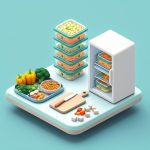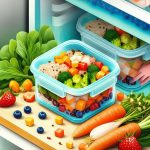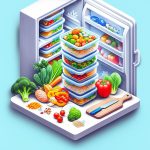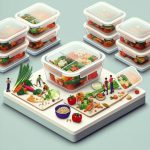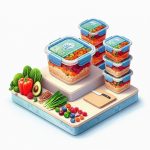
That perfectly prepped lunch you were so proud of now resembles a culinary crime scene. The teriyaki sauce from your chicken has soaked into your quinoa, the crisp apple slices taste vaguely of garlic, and the crackers you packed for a crunchy side are now a soggy, depressing mess. If this sounds familiar, you know that even the best meal prep plan can be sabotaged by a bad container. This is precisely where divided lunch containers step in, transforming your grab-and-go meals from a jumbled gamble into a structured, delicious certainty.
At a Glance: Your Path to Perfect Meal Prep
- Master the Materials: Understand the key differences between glass, plastic, and stainless steel to match your lifestyle.
- Identify Critical Features: Learn which design elements—like silicone gaskets and vented lids—separate a great container from a leaky frustration.
- Choose Your Compartments Wisely: Align the number and size of dividers with the meals you actually eat, from simple salads to complex bento-style lunches.
- Find Your Perfect Match: Get specific recommendations for every need, whether you’re on a tight budget, reheating hot meals, or packing for a fitness goal.
- Extend Container Lifespan: Discover simple care techniques to prevent stains, odors, and warping, protecting your investment for years.
Why Compartments Are a Meal Prep Game-Changer
The magic of a divided container isn’t just about keeping peas from rolling into the mashed potatoes. It’s a strategic system that preserves the quality of your food and saves you a surprising amount of time and mental energy. The average person spends nearly 365 hours a year preparing food; a smart container strategy can reclaim a significant chunk of that time.
The dividers act as firewalls, protecting the distinct elements of your meal.
- Texture Preservation: A divider ensures your salad croutons stay crunchy, your granola remains dry, and your bread for a DIY sandwich doesn’t get soggy from adjacent sliced tomatoes.
- Flavor Integrity: It prevents the bold flavors of a curry or a garlicky vinaigrette from “contaminating” delicate sides like fruit or a simple portion of rice. What you pack is what you taste.
- Built-in Portion Control: The compartments provide a powerful visual cue for portioning. Without needing a food scale for every meal, you can easily build a balanced plate: protein in the large section, carbs and veggies in the smaller ones. This simple structure is foundational to why we believe these containers are meal prep’s secret weapon.
This level of control elevates meal prep from just cooking ahead to curating perfect, ready-to-eat experiences. To get a broader look at how this fits into a complete meal prep system, Discover meal prep’s secret weapon.
Choosing Your Material: Glass vs. Plastic
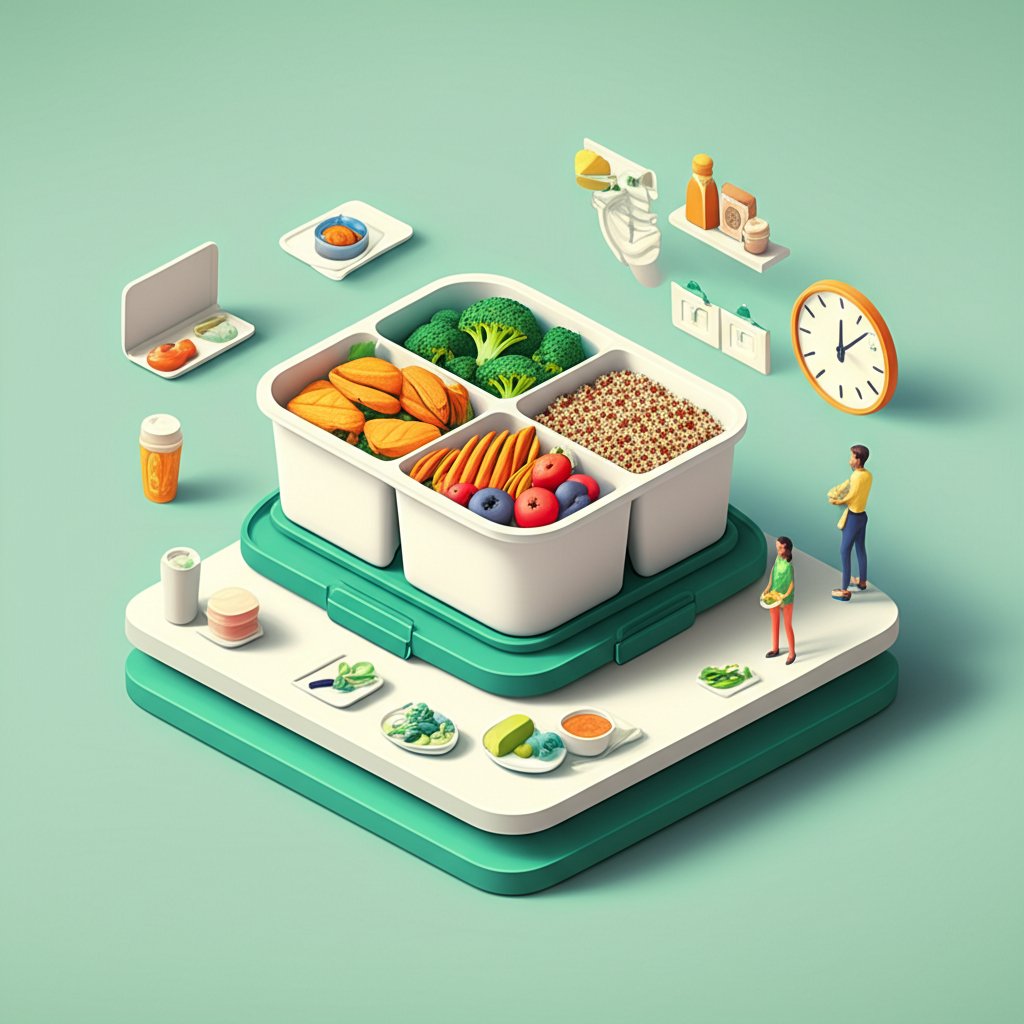
The material of your container is the single most important decision you’ll make. It dictates how you can use, clean, and transport your meals. The two dominant players are borosilicate glass and BPA-free plastic, each with distinct advantages.
The Case for Glass: The Premium Performer
High-quality glass containers, like those from Prep Naturals or OXO Good Grips, are the gold standard for many meal prep purists.
- Pros:
- Non-Porous: Glass doesn’t stain or hold onto odors and flavors. Your tomato-based sauces won’t leave a permanent pink shadow.
- Oven-Safe: Go directly from the fridge to the oven or microwave (without the lid!) for seamless reheating.
- Durability: Resists scratches and warping, looking new for years.
- Peace of Mind: No concerns about chemicals leaching into your food.
- Cons:
- Heavy: A week’s worth of glass-prepped meals can be heavy to transport.
- Breakable: While durable, they can chip or shatter if dropped.
Best for: Professionals who reheat lunches at their desk, anyone concerned with staining, and those who prefer to cook and store in the same dish (like a mini-casserole).
The Case for Plastic: The Lightweight Workhorse
Modern, high-quality plastic containers from brands like Bentgo and Rubbermaid Brilliance are far from the flimsy takeout boxes of the past.
- Pros:
- Lightweight: Ideal for students, commuters, and anyone carrying their lunch in a backpack or tote.
- Affordable: Generally less expensive than their glass counterparts, making it easier to build a large collection.
- Durable: Won’t shatter when dropped, making them a safer choice for active lifestyles.
- Cons:
- Can Stain/Retain Odors: Prone to staining from potent ingredients like turmeric or tomato sauce.
- Can Scratch: Abrasive sponges or metal utensils can cause scratches that may harbor bacteria over time.
- Potential to Warp: High heat in a dishwasher or microwave can cause some plastics to lose their shape.
Best for: Anyone prioritizing portability and budget, fitness enthusiasts carrying multiple meals, and families packing lunches for kids.
| Feature | Borosilicate Glass | BPA-Free Plastic |
| :— | :— | :— |
| Weight | Heavy | Lightweight |
| Durability | Breakable, but scratch-proof | Shatter-proof, but can scratch |
| Stain/Odor Resistance | Excellent | Prone to staining/odors |
| Reheating | Oven & Microwave Safe (Base) | Microwave Safe (Check Label) |
| Price | Higher | Lower |
| Best For | Home/Office Reheating | Commuting & Portability |
Decoding the Features That Actually Matter
Beyond the material, a container’s design determines its daily usability. Look for these non-negotiable features.
A Truly Leak-Proof Seal
This is paramount. A “leak-resistant” container might handle a damp salad, but it will fail you with soup or a saucy pasta. A truly leak-proof seal has two key components:
- A Silicone Gasket: This flexible ring sits inside the lid’s channel, creating an airtight barrier.
- Secure Locking Clips: Look for lids that snap down on all four sides. This provides even pressure on the gasket, ensuring no gaps.
Case Snippet: The Rubbermaid Brilliance line is famous for its 100% leak-proof guarantee, thanks to its robust latches and airtight seal. This makes it a top choice for anyone who regularly packs stews, yogurt parfaits, or heavily dressed salads.
Smart Compartment Configuration
The layout of the dividers should match your eating style.
- Two Compartments: Perfect for a simple main and a side (e.g., grilled chicken breast and a large portion of roasted vegetables).
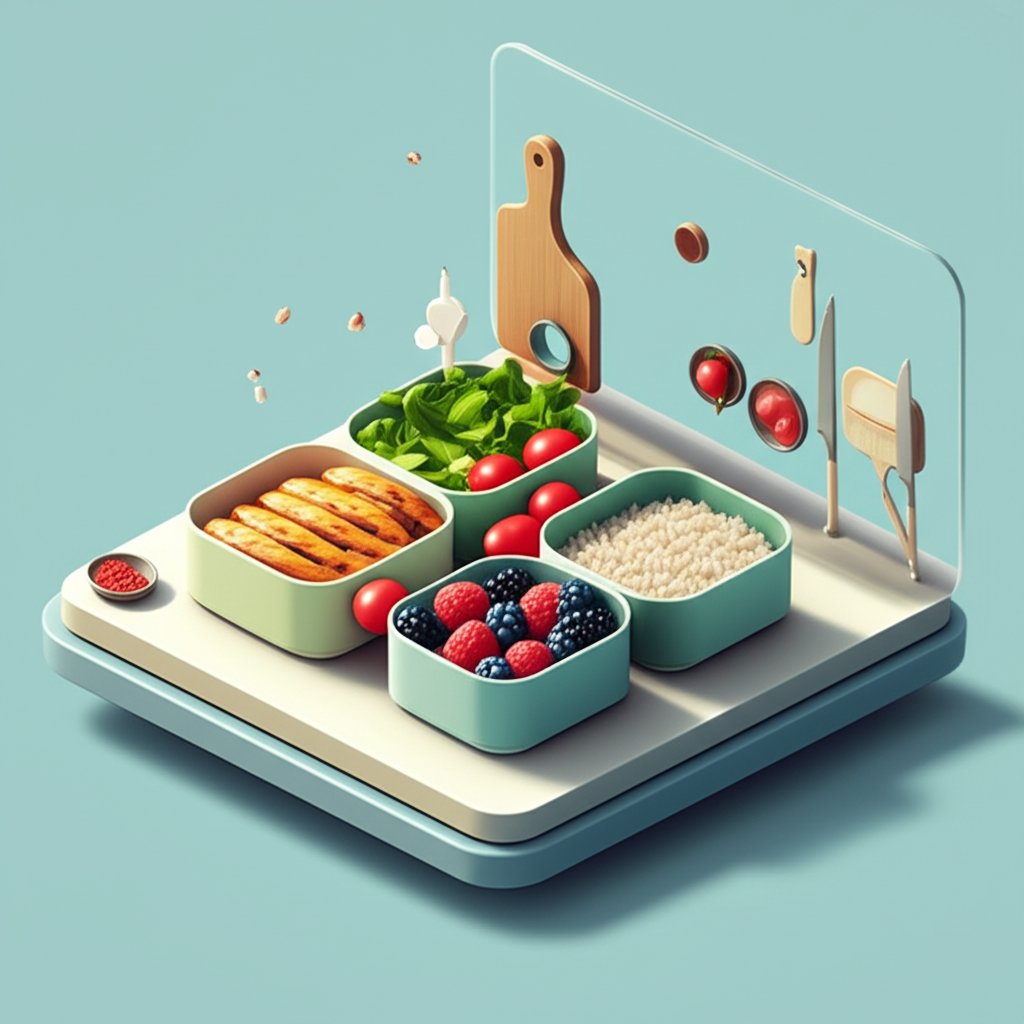
- Three Compartments: The most versatile option. It naturally encourages a balanced meal: a larger section for a protein/main, and two smaller sections for a grain and a vegetable. This is the layout used by the popular Bentgo and ThinkFit containers.
- Four or More Compartments: Excellent for bento-style lunches or “adult snackables.” Think cheese, crackers, hummus, veggies, and a few pieces of fruit. The Lifewit set often includes this configuration.
Stackability for Sanity
A chaotic cabinet of mismatched containers is a meal prep deterrent. Choose a set where the containers are uniform in shape and designed to stack neatly. This not only saves precious shelf space but also makes grabbing the right container quick and effortless.
A Practical Playbook: Finding Your Perfect Divided Container

With a clear understanding of materials and features, you can now select the right tool for the job. Here are top-tier options matched to specific needs.
For the Everyday Meal Prep Pro: Bentgo Meal Prep Containers
These are the reliable all-rounders. With a classic three-compartment design, a secure seal, and durable BPA-free plastic, they handle the vast majority of meal prep needs with ease. They are microwave and dishwasher-safe, striking the perfect balance between functionality and affordability.
For the “Cook Once, Eat Thrice” Fan: Prep Naturals Glass Containers
If your meal prep involves baking a lasagna or a chicken casserole to be portioned out, glass is your only choice. Prep Naturals uses borosilicate glass, which is thermal shock resistant, so you can take it from the fridge to a preheated oven. Its three-compartment design keeps your main dish separate from its sides during both storage and reheating. The OXO Good Grips glass line offers a similar premium experience with an exceptionally well-engineered seal.
For the Commuter Who Hates Spills: Rubbermaid Brilliance
If you transport your lunch on a rattling train or in a backpack that gets tossed around, you need a guarantee against leaks. Rubbermaid Brilliance containers are legendary for this. Their standout feature is the vented lid—you can microwave with the lid on and latches secured, just pop the vents. This contains splatters and ensures even heating, making them the best option for hot meals on the go.
For the Budget-Conscious Beginner: Lifewit Lunch Box
Starting meal prep shouldn’t require a huge investment. The Lifewit sets offer incredible value, often including multiple containers with varied compartment layouts and a carrying bag. While they may not have the premium feel of glass or the guaranteed seal of a Brilliance container, they are lightweight, versatile, and a fantastic entry point into the world of divided lunch containers.
For the Fitness Enthusiast: ThinkFit Meal Prep Containers
When you’re tracking macros and eating for performance, portion size is key. ThinkFit containers are designed with larger capacities to accommodate the more substantial meals often required for fitness goals. They are built tough, stack securely in a gym bag, and the three-compartment layout is perfect for the classic protein-carb-veggie meal structure.
Quick Answers to Common Questions
Q: Are divided lunch containers really worth the investment?
A: Absolutely. The initial cost is quickly offset by the money you save not buying lunch out. More importantly, they save you time and reduce food waste by allowing you to plan, portion, and store meals efficiently, ensuring what you packed stays fresh and appetizing.
Q: My plastic containers are stained with tomato sauce. Are they ruined?
A: Not at all. Mix baking soda and water to form a paste, apply it to the stain, and let it sit overnight before washing. To prevent future stains, you can lightly coat the container’s interior with a non-stick cooking spray before adding highly pigmented foods like pasta sauce or curry.
Q: Why do my containers smell funny even after being washed?
A: This is usually caused by trapped moisture or lingering food oils. The best fix is prevention: always store your containers with the lids off or placed loosely on top. This allows them to air out completely. For a deep clean, a soak in a solution of water and white vinegar can neutralize stubborn odors.
Q: Can I put the lid in the microwave?
A: Check the manufacturer’s instructions. Many high-quality plastic lids are microwave-safe, but some are not. Vented lids like those on Rubbermaid Brilliance are designed for it. Glass container lids, however, are almost never oven-safe and should always be removed before heating in a conventional oven.
Your First Week with a Better Lunch Strategy
Feeling ready to ditch soggy lunches for good? Here’s how to get started this weekend.
- Choose Your Champion: Based on the guide above, pick a single set of containers that best fits your primary need. A 3-pack of glass containers or a 5-pack of plastic ones is a great starting point.
- Plan Three Simple Component Meals: Don’t get complicated. Think in terms of a protein, a carb, and a vegetable. For example: grilled chicken strips, roasted sweet potato wedges, and steamed broccoli.
- Batch Cook Your Components: Dedicate one hour on a Sunday afternoon. Grill all the chicken, roast all the potatoes, and steam all the broccoli. Let everything cool down to avoid condensation in the containers.
- Assemble and Stack: Portion out your components into your new divided lunch containers. Seal them, stack them neatly in the fridge, and admire your handiwork.
You’ve just prepped three delicious, perfectly portioned, and structurally sound lunches. You’ve taken back control of your time, your budget, and your nutrition—one well-organized container at a time.

- Master Vegan Freezer Meal Prep to Simplify Your Busy Schedule - June 18, 2026
- Vegan Freezer Cooking Simplifies Healthy Meals on Busy Nights - June 17, 2026
- Vegetarian Freezer Recipes for Effortless Meal Prep and Delicious Dinners - June 16, 2026