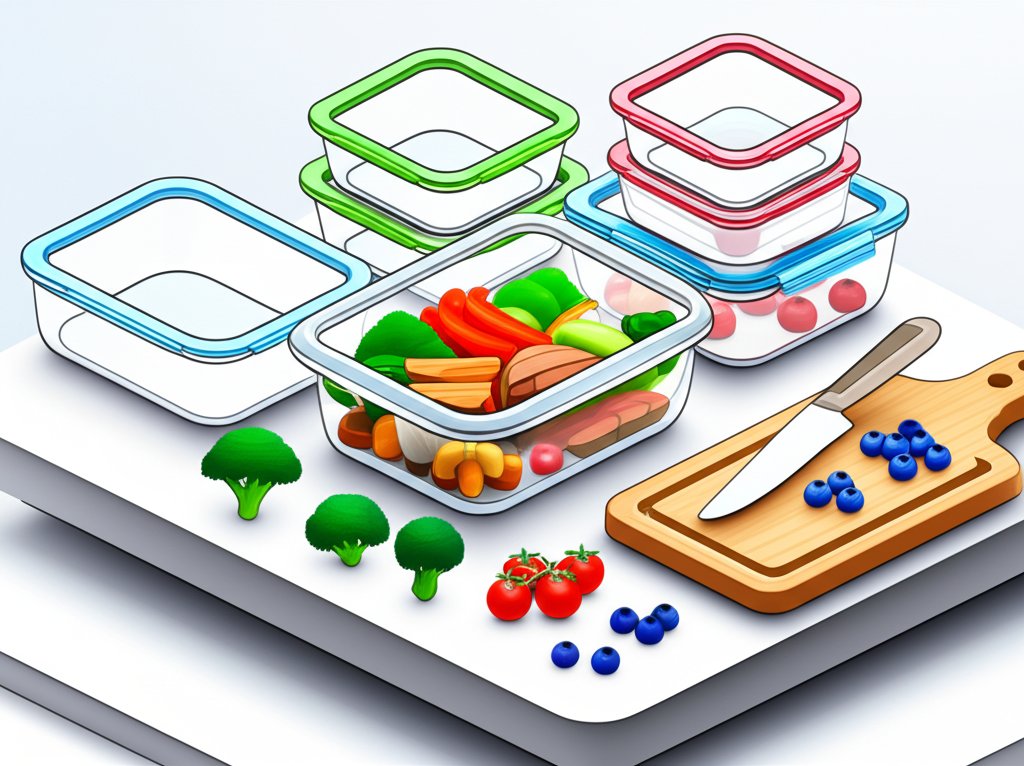
That sinking feeling when you open your lunch bag to find a puddle of salad dressing is all too familiar. Or maybe it’s the disappointment of pulling a meal-prepped chicken breast from the freezer, only to find it covered in icy crystals. These frustrations often stem from a single weak point: the container’s seal. That’s why a growing number of home cooks are turning to glass containers with snap lids—they promise a truly airtight, leak-proof experience that plastic just can’t match.
But not all glass snap-lid containers are created equal. The difference between a set that lasts for years and one that disappoints lies in the details—the type of glass, the design of the lid, and the quality of the seal. Getting this choice right means fresher food, less waste, and a more organized kitchen.
At a Glance: What You’ll Learn
- The key components of a truly leak-proof snap-lid system.
- Why borosilicate glass is the superior choice for handling temperature changes.
- A practical framework for selecting the right shapes and sizes for your lifestyle.
- Simple maintenance tips to keep your containers’ seals tight and glass pristine.
- How to spot quality details that separate premium containers from mediocre ones.
Decoding the Snap-Lock Lid System
The magic of these containers isn’t just the glass; it’s the sophisticated engineering of the lid. A secure fit is a non-negotiable feature, and the best systems rely on three components working in harmony.
The Lid: A Foundation of Food-Grade Plastic
While the base is glass, the lid is almost always plastic, and for good reason. High-quality lids are made from food-grade, BPA-free polypropylene (PP). This material is ideal because it’s durable enough to withstand repeated snapping, flexible enough not to crack under pressure, and safe for contact with your food.
Unlike cheap plastics, PP is highly resistant to absorbing stains and odors. This means your lid won’t be permanently haunted by last week���s tomato sauce or curry.
The Gasket: Your Airtight, Leak-Proof Guarantee
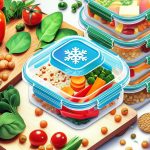
The true hero of the snap-lid system is the silicone gasket, that colorful ring nestled into a groove on the underside of the lid. When you close the lid, this gasket presses firmly against the rim of the glass container.
Think of it like the weatherstripping around a car door—it closes the gap and blocks anything from getting in or out. This is what creates the airtight seal that prevents oxygen from spoiling your food and the leak-proof barrier that keeps soup securely inside. A crucial feature is that this gasket should be easily removable. This allows for thorough cleaning, preventing mold or grime from building up in the lid’s channel.
The Snaps: Four Points of Secure Pressure
The final piece of the puzzle is the four-sided locking mechanism. Each of the four flaps on the lid audibly “snaps” onto a lip on the glass container. This design distributes clamping pressure evenly around the entire rim.
It’s a far more secure system than a simple press-on lid, which can pop off if the contents shift, or a screw-top, which can loosen over time. The four snaps provide redundant security, ensuring the lid stays put, whether it’s rattling around in your gym bag or tucked away in the freezer.
Why Borosilicate Glass is the Gold Standard for Food Storage

When you’re investing in glass containers with snap lids, the type of glass used is arguably the most important factor for safety and longevity. While standard soda-lime glass (the kind used for drinking glasses) is common, premium containers use borosilicate glass for its remarkable properties. For a complete breakdown of its benefits, you can Explore borosilicate glass storage.
Borosilicate glass is engineered to handle rapid temperature changes without cracking—a phenomenon known as thermal shock.
Case Snippet: Imagine you’ve stored a lasagna in the fridge. With a borosilicate container, you can remove the plastic lid and place the glass dish directly into a preheated oven to warm it up. Trying this with standard glass would likely result in it shattering from the sudden heat. This thermal resilience makes borosilicate incredibly versatile, moving seamlessly between freezer, fridge, and oven.
Superior Resistance to Stains and Odors
Glass is non-porous, meaning it doesn’t have tiny holes that can trap food particles and bacteria. Borosilicate glass excels here, offering a pristine surface that won’t hold onto the ghosts of meals past.
- Stains: Acidic foods like tomato sauce, which permanently dye plastic containers orange, wipe clean from borosilicate glass without a trace.
- Odors: Strong-smelling foods like garlic, onions, or fish won’t leach into the glass. After a wash, the container is completely neutral, ready for its next use, whether that’s storing delicate fruit or pungent leftovers.
A Quick Comparison: Borosilicate vs. Soda-Lime Glass
| Feature | Borosilicate Glass | Soda-Lime Glass (Standard Glass) |
|---|---|---|
| Thermal Shock | High resistance; can go from fridge to oven safely. | Low resistance; can shatter with sudden temperature change. |
| Durability | More durable and less prone to chipping. | More brittle and can break more easily. |
| Chemical Resistance | Highly resistant to acids, stains, and odors. | Less resistant; can sometimes cloud over time. |
| Clarity | Stays crystal clear even after years of use. | Can develop a slight haze with repeated dishwasher cycles. |
| Common Use | Lab equipment, high-end cookware, premium food storage. | Drinking glasses, jars, window panes. |
A Practical Guide to Building Your Ideal Set
A mismatched collection of containers creates cabinet chaos. The key is to choose a set with sizes and shapes that align with how you actually cook and eat.
The Meal Prepper’s Toolkit
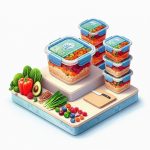
For those who prep lunches or dinners for the week, rectangular containers are the workhorse. They are exceptionally space-efficient in the fridge, stacking neatly like bricks.
- Ideal Sizes: 21 oz (630 ml) to 35 oz (1040 ml) are perfect for a single-serving main course, like grilled chicken with roasted vegetables or a generous portion of pasta.
- Why They Work: The rectangular shape mimics a plate, making it easy to portion out a protein, a carb, and a vegetable.
The Leftover Saver’s Go-To Containers
For storing leftovers from dinner or packing smaller meal components, a mix of square and smaller rectangular containers offers the most flexibility.
- Ideal Sizes: 10 oz (300 ml) to 17 oz (500 ml) are great for side dishes, leftover chili, or a single serving of soup.
- Why They Work: Their compact footprint is perfect for fitting into crowded fridges. The square shape is particularly efficient for storing diced fruit or chopped vegetables.
The Snack and Sauce Specialist
Don’t overlook the smallest containers in a set. Their utility goes far beyond what you might expect.
- Ideal Sizes: 5 oz (150 ml) to 6.5 oz (190 ml).
- Why They Work: The leak-proof snap lids make them essential for packing salad dressings, dips like hummus, or yogurt. They’re also perfect for portioning out nuts, seeds, or small snacks, keeping them from getting crushed in your bag.
The User’s Playbook: Best Practices for Longevity
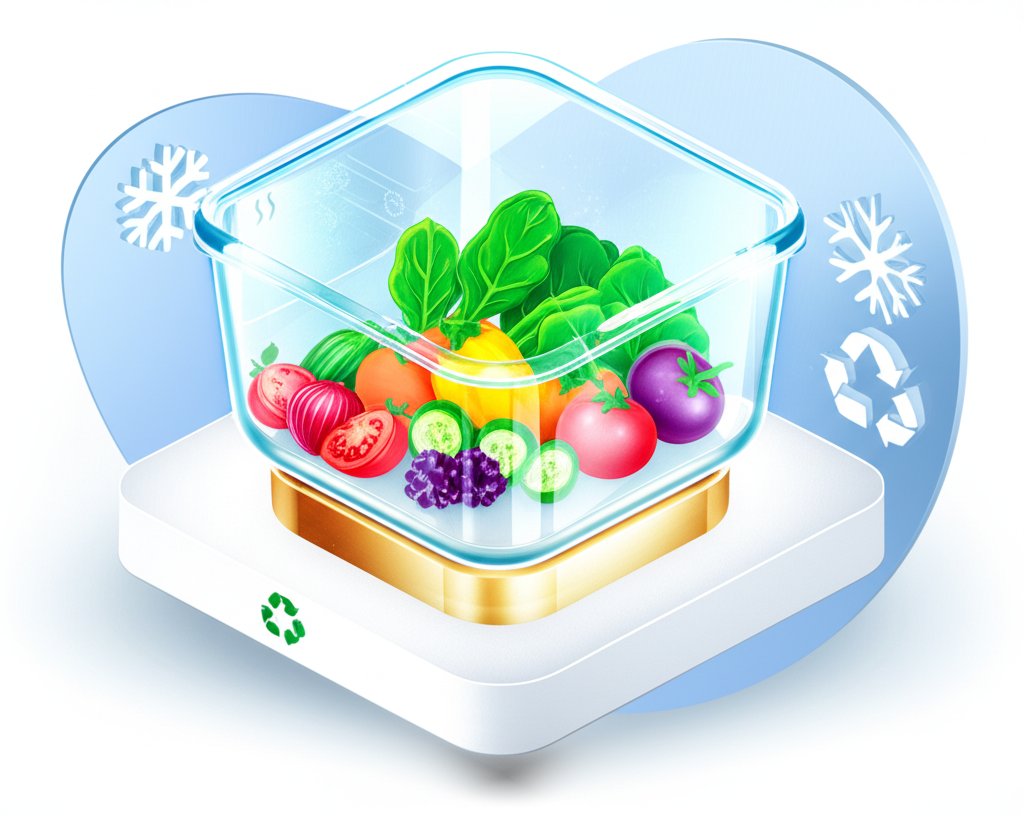
Your glass containers with snap lids are a durable investment. With a few simple habits, you can ensure they perform perfectly for years.
- Respect the Lid in High Heat. This is the golden rule: always remove the snap lid before placing the glass base in the microwave or oven. The intense heat can warp the plastic, compromising the seal. It also prevents dangerous pressure from building up inside the container as the food heats.
- Clean the Gasket Regularly. To prevent grime or mold from accumulating, make it a habit to remove the silicone gasket for cleaning. Gently pry it out of the groove in the lid, wash it and the lid with warm, soapy water, and allow both to dry completely before reinserting the gasket. This single step will dramatically extend the life of the airtight seal.
- Stack Smart, Not Hard. For long-term storage, you have two options. You can stack the containers with their lids on, which is convenient for grab-and-go use. To save more space, you can nest the smaller glass bases inside the larger ones and store the lids separately. Avoid placing heavy objects on top of the lids’ snap-wings to prevent stress on the hinges.
- Go from Cold to Hot Gradually. While borosilicate glass is incredibly resistant to thermal shock, it’s not invincible. Avoid extreme temperature swings, like taking a container directly from the freezer and immediately placing it into a very hot oven. It’s best practice to let it sit on the counter for 10-15 minutes to temper before heating.
Your Glass Container Questions, Answered
Are glass containers with snap lids truly 100% leak-proof?
When the container is in good condition, yes. The combination of a properly seated, clean silicone gasket and the even pressure from the four locking snaps creates a formidable seal. It’s designed to confidently hold liquids like soup, broth, and dressings without a single drip, even when jostled during transport. If you ever experience a leak, the first thing to check is the gasket for food debris or improper seating.
Will the plastic lids absorb stains or odors over time?
High-quality, BPA-free polypropylene (PP) lids are engineered to be non-porous and highly resistant to both. Unlike cheap takeout containers that turn orange forever after one encounter with spaghetti sauce, these lids wash clean. For very strong odors like curry, washing and letting the lid air out completely usually resolves any lingering scent.
Isn’t it a hassle to clean the lids and their seals?
It’s a quick and simple process that takes less than 30 seconds. The silicone seal is designed to be easily removed and reinserted. This small step ensures no hidden food particles or moisture gets trapped, which is a common problem in lids with non-removable seals. The entire assembly—glass base, lid, and seal—is typically dishwasher-safe, making cleanup even easier.
Glass seems so heavy compared to plastic. Is it worth it?
Glass is denser and heavier than plastic, but that weight comes with significant advantages: it won’t warp, stain, or leach chemicals into your food. The durability means you buy it once, instead of constantly replacing warped plasticware. For portability, the trade-off in weight is often seen as a small price to pay for the peace of mind that comes with a healthier, more reliable, and completely leak-proof container.
Making the Right Choice: A 3-Step Checklist
Ready to upgrade? Use this simple checklist to choose the perfect set of glass containers with snap lids for your kitchen.
- Assess Your Primary Use Case. Are you a dedicated meal prepper needing five identical containers for a week of lunches? Or does your family need a variety of sizes for storing unpredictable leftovers? Be honest about your habits to guide your selection toward rectangular stacks or a mixed-size set.
- Verify the Quality Markers. Don’t just look for “glass.” Specifically confirm that the base is borosilicate glass for thermal safety. Check that the lids are BPA-free polypropylene (PP) and, most importantly, feature a removable silicone gasket for hygienic cleaning.
- Start with a Versatile Foundation Set. If you’re unsure where to begin, a multi-piece set that includes a range of both square and rectangular shapes is an excellent starting point. A 16-piece set (8 containers and 8 lids) with sizes ranging from small snack containers to large meal-sized ones provides immediate flexibility for almost any food storage task. You can always add more of a specific size later once you discover your favorites.

- Master Vegan Freezer Meal Prep to Simplify Your Busy Schedule - June 18, 2026
- Vegan Freezer Cooking Simplifies Healthy Meals on Busy Nights - June 17, 2026
- Vegetarian Freezer Recipes for Effortless Meal Prep and Delicious Dinners - June 16, 2026