You pull last night’s leftover lasagna out of the freezer, ready for a quick and satisfying lunch. The problem? Your plastic container is now a warped, tomato-stained mess after one trip through the microwave, and you’re wary of putting your everyday glass dish straight into a hot oven. This kitchen frustration is precisely why so many people are turning to borosilicate glass storage containers. Their unique ability to withstand drastic temperature shifts without cracking, warping, or leaching chemicals makes them the undisputed champion for moving meals from the freezer to the oven and back again.
This isn’t just about convenience; it’s about safety and durability. Understanding how to leverage this material’s thermal resilience will change the way you cook, store, and reheat your food.
At a Glance: What You’ll Learn
- The Science of Safety: Understand what “thermal shock” is and why borosilicate glass is uniquely engineered to resist it.
- Safe Temperature Limits: Get clear guidelines for using your containers in the freezer, oven, and microwave without risk.
- Best Practices for Transitions: Learn the step-by-step process for safely moving a container from cold to hot to maximize its lifespan.
- Lid Design Decoded: Discover why the lid is just as important as the base for effective heating, cooling, and storage.
- A Smart Buyer’s Checklist: Pinpoint the exact features to look for to ensure you’re getting a true, high-performance container.
What Makes Borosilicate Glass a Thermal Powerhouse?
Not all glass is created equal. The drinking glasses in your cabinet or the glass in your windowpanes are typically made of soda-lime glass. When heated, this glass expands significantly; when cooled, it contracts. If this happens too quickly, the uneven stress causes it to shatter. This vulnerability to rapid temperature change is known as thermal shock.
Borosilicate glass, however, has a different recipe. By adding boron trioxide to the mix during manufacturing, the glass gains a very low coefficient of thermal expansion.
Think of it like this: a metal bridge has expansion joints to keep it from buckling on a hot day. Borosilicate glass has this principle built into its molecular structure. It barely expands or contracts when its temperature changes, allowing it to remain stable and strong. This thermal resilience is a key reason why Borosilicate glass storage has become the foundation of a durable and safe kitchen system. This is the same material used for high-end laboratory equipment, like the ISO 4142-compliant test tubes that must withstand intense heat.
The “Freezer-to-Oven” Promise: A Practical Guide
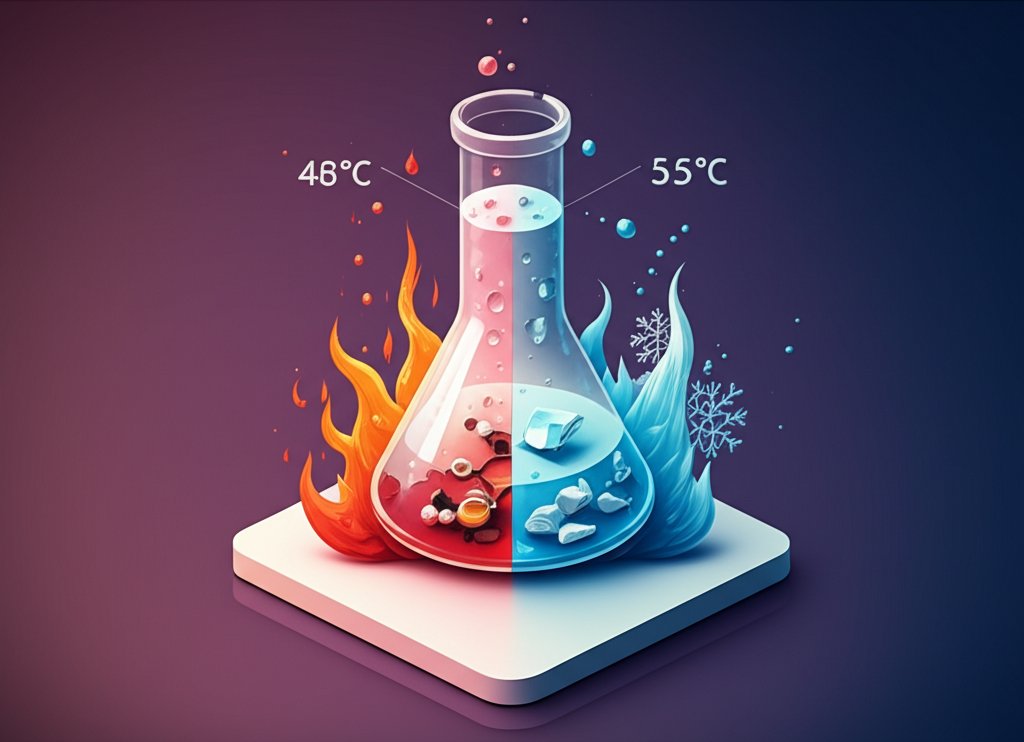
The marketing claim is bold: straight from the icebox to the oven. While borosilicate glass storage containers make this possible, following a few best practices ensures you do it safely and preserve your cookware for years.
Understanding the Temperature Spectrum
The glass base is the star of the show, but the plastic lid has its own set of rules. Always separate them before heading to the oven.
| Component | Typical Safe Temperature Range | Key Considerations |
|---|---|---|
| Glass Base | Freezer: Down to -40°F (-40°C) Oven: Up to 550°F (287°C) Some high-end brands rated to 950°F (510°C) |
Extremely resistant to thermal shock. Can handle direct transfer from fridge to a preheated oven. |
| Plastic Lid | Freezer: Down to -4°F (-20°C) Microwave: Safe with vent open Dishwasher: Top-rack safe |
NEVER place in the oven. Will melt and release fumes. Can become brittle in extreme cold over time. |
| Silicone Seal | Generally matches the lid’s temperature range. | Removable for easy, thorough cleaning to prevent mold buildup. |
A Step-by-Step for Safe Temperature Transitions
To move that frozen casserole directly to the oven, a little patience pays off. While you can go straight from freezer to a hot oven, this puts maximum stress on the glass. This slightly gentler method is the gold standard for longevity.
- Always Remove the Plastic Lid. This is non-negotiable. The lid cannot withstand oven temperatures.
- Give It a Brief Rest. As your oven preheats, let the frozen container sit on the counter for 5-10 minutes. This small step allows the outer surface temperature to rise slightly, reducing the initial shock.
- Place in a Preheated Oven. Put the glass dish on the center rack of your fully preheated oven. Avoid placing it on the very bottom or directly under the broiler element unless a recipe specifically calls for it.
- Avoid Sudden, Sharp Shocks. Never add cool liquid (like water or broth) to a hot borosilicate dish that’s just come out of the oven. This can cause a crack. Likewise, don’t take a piping hot dish and place it on a cold, wet countertop or in the sink. Always use a dry towel or a trivet.
Following these steps ensures your borosilicate glass storage containers perform flawlessly, meal after meal.
Lids Matter More Than You Think
The container base gets all the attention for its temperature resistance, but the lid is the unsung hero of storage and reheating. A poorly designed lid can lead to leaks, freezer burn, and microwave messes.
The Anatomy of a High-Performance Lid
Modern borosilicate container sets, like those from NutriChef or Bentgo, have perfected lid technology. Here’s what to look for:
- Four-Point Locking System: Four sturdy tabs that snap down on all sides of the container create a truly secure closure. This prevents accidental spills in your lunch bag or during transport.
- Silicone Gasket: A removable silicone ring fits into a channel on the lid’s underside. This is what creates the airtight and leak-proof seal, locking in freshness and preventing odors from escaping or entering.
- Steam Vent: A small, pop-up valve on the lid is a game-changer for microwave use. By opening the vent, you allow steam to escape during reheating. This prevents pressure from building up, which can cause food to explode and splatter all over your microwave.
Case Snippet: Imagine you’re reheating a hearty beef stew for lunch. With a vented lid, you can pop the entire container in the microwave, open the vent, and heat it through. The steam releases safely, the stew heats evenly, and your microwave stays spotless. Without a vent, you’d have to remove the lid and cover the container with a paper towel, risking splashes.
Putting It Into Practice: Real-World Scenarios
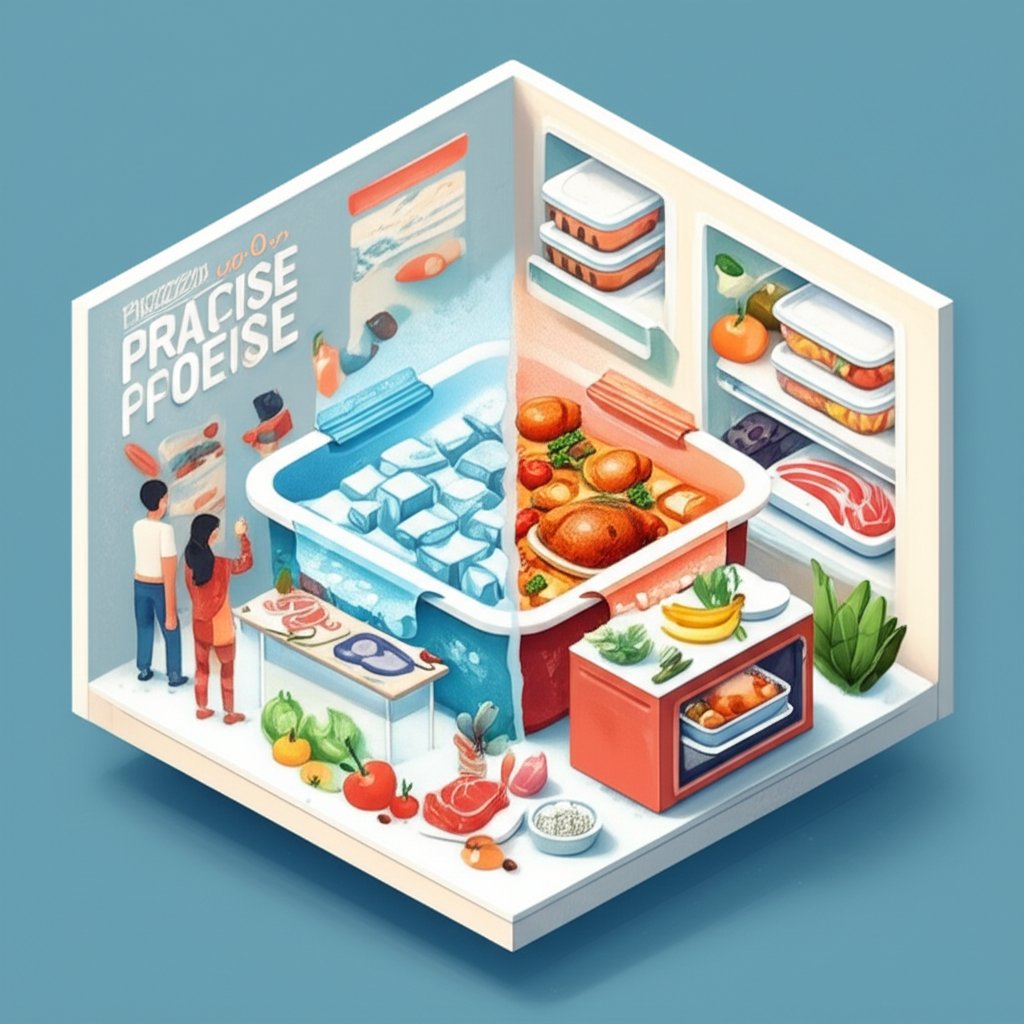
The true value of borosilicate glass storage containers shines in daily kitchen routines.
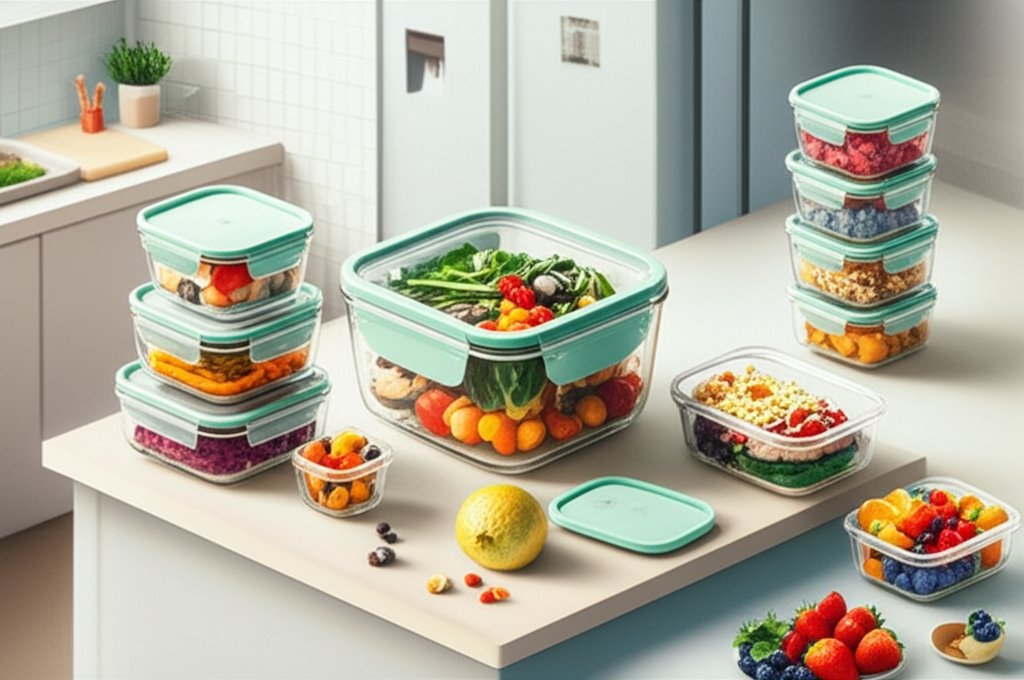
- Efficient Meal Prep: On Sunday, you roast a large batch of chicken and vegetables. You can immediately portion the hot food into several containers without waiting for it to cool down. Unlike plastic, borosilicate glass won’t warp from the heat or leach chemicals into your meal. Snap on the airtight lids and stack them in the fridge for the week.
- Effortless Leftover Reheating: You have a single portion of shepherd’s pie left from dinner, stored in a 30 oz rectangular container. To reheat, you take it from the fridge, remove the lid, and place the glass dish directly in the oven or toaster oven until the mashed potato topping is golden brown and crispy—something impossible with a plastic container.
- From Freezer to Work Lunch: You grab a container of frozen chili from the freezer on your way out the door. By noon, it has partially thawed. At your desk, you simply open the lid’s steam vent and microwave it for a few minutes. The result is a perfectly hot, splatter-free meal with zero fuss.
Quick Answers to Common Questions
Can I put a hot borosilicate container on a cold granite countertop?
It’s not recommended. While the glass is tough, the extreme, localized temperature difference between the hot base and a cold, heat-sinking surface like stone or metal can still create enough stress to cause a fracture. Always place hot glassware on a pot holder, trivet, or dry dish towel.
Are all glass food storage containers made of borosilicate?
No, and this is a crucial distinction. Most common and less expensive glass food containers (often found in supermarkets) are made from tempered soda-lime glass. While stronger than regular glass, it does not have the same elite thermal shock resistance as borosilicate. If the packaging doesn’t explicitly say “borosilicate,” assume it is not.
Why did my borosilicate container crack?
It’s rare, but it can happen. The most common causes are not a freezer-to-oven transition, but rather mechanical shock (a deep scratch or chip from being dropped compromises its integrity) or a different kind of thermal shock, like adding cold water to a hot dish.
How do I know what size containers to get?
Think about your primary use. For individual lunch portions, containers in the 24-35 oz (or ~3-4.5 cup) range are ideal. For storing family-sized leftovers or for meal prepping main courses, look for larger options. Brands like Bentgo offer single containers in various capacities (from 4.1 to 11.8 cups), while sets like NutriChef’s 24-piece collection provide a wide variety of shapes and sizes for all needs.
Your Buying Checklist for Temperature-Proof Containers
When you’re ready to invest, use this checklist to ensure you’re getting a product that can truly handle the heat (and the cold).
- [ ] Verify the Material: Look for the words “Borosilicate Glass” on the box or in the online product description. Don’t settle for generic “oven-safe glass.”
- [ ] Inspect the Lids: Confirm they have a four-tab locking mechanism and a removable silicone gasket for a guaranteed airtight seal. A steam vent is a major bonus for microwave users.
- [ ] Check the Ratings: Look for the specific oven-safe temperature. A rating of 450°F or higher is a good sign of a quality product. Note the separate, lower temperature limits for the lids.
- [ ] Consider the Set: Do you need a comprehensive set with multiple shapes and sizes for a full kitchen overhaul, or just a few high-quality individual containers for lunches?
- [ ] Look for a Warranty: A manufacturer that stands behind its product with a warranty, like Bentgo’s 2-year guarantee, is often a sign of superior quality and durability.
Moving from freezer to microwave to oven is no longer a multi-dish, high-risk process. By choosing borosilicate glass storage containers and handling them with a few simple best practices, you equip your kitchen with a system that is safer, more versatile, and built to last. It’s an investment in less kitchen cleanup, better-tasting leftovers, and total peace of mind.

- Master Vegan Freezer Meal Prep to Simplify Your Busy Schedule - June 18, 2026
- Vegan Freezer Cooking Simplifies Healthy Meals on Busy Nights - June 17, 2026
- Vegetarian Freezer Recipes for Effortless Meal Prep and Delicious Dinners - June 16, 2026