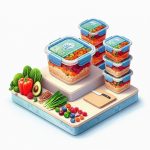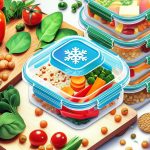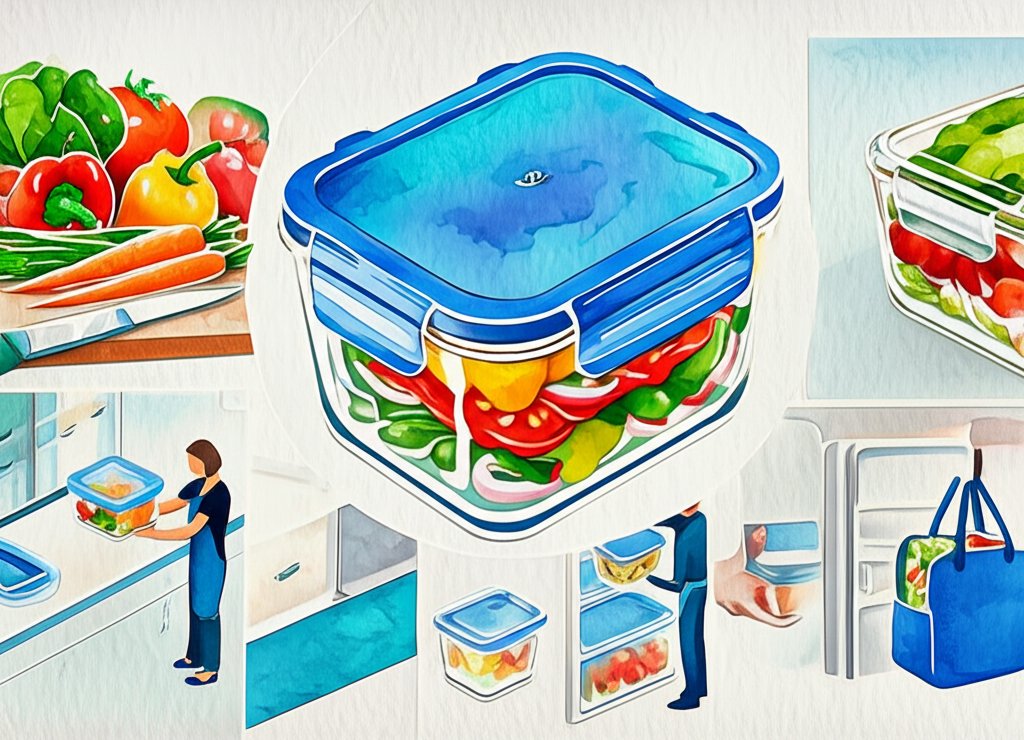
You pull last night’s delicious, vibrant pasta sauce out of a plastic container, only to find the container is now permanently stained a disappointing shade of orange. Worse, the plastic warped slightly in the microwave, and you can’t shake the subtle, lingering smell of garlic. If this scenario is all too familiar, it’s time you met the workhorse of modern kitchens: borosilicate glass containers. They are engineered to handle the real-world demands of cooking, storing, and reheating food without staining, warping, or absorbing odors.
This isn’t just another type of glass; it’s a high-performance material that changes how you approach meal prep and leftovers, making the entire process cleaner, safer, and more efficient.
At a Glance: Your Borosilicate Upgrade
This deep dive will equip you to make the switch with confidence. Here’s what you’ll be able to do:
- Understand the “Why”: Pinpoint exactly what makes borosilicate glass superior to both regular glass and plastic for food storage.
- Choose the Right Set: Confidently select a container set based on your specific meal prep habits, from individual lunches to family-sized batch cooking.
- Master the Workflow: Learn best practices for moving containers from freezer to oven to dishwasher, maximizing their lifespan and your convenience.
- Avoid Common Pitfalls: Sidestep the few mistakes that can damage even these durable containers.
- Identify Key Features: Differentiate between lid types, container shapes, and specialty features to find your perfect match.
The Unseen Advantage: What Makes Borosilicate Glass Different?
At a glance, a glass container is a glass container. But the science behind borosilicate glass gives it superpowers that standard soda-lime glass (the kind used for most drinking glasses and jars) can’t match. The key is its composition, which includes boric oxide. This special ingredient creates a glass with a very low coefficient of thermal expansion.
In simple terms, it doesn’t expand or contract much when its temperature changes. This is why you can take borosilicate glass containers from a cold freezer and place them directly into a hot oven without them cracking from thermal shock. This single property revolutionizes the cook-store-reheat cycle.
Beyond its thermal resilience, borosilicate glass is non-porous. This means:
- No Stains: That tomato sauce or turmeric curry won’t leave a permanent mark. The glass washes perfectly clean every time.
- No Odors: It won’t absorb the smell of last week’s fish or garlic, so today’s fruit salad tastes like, well, fruit salad.
- No Leaching: Unlike some plastics, borosilicate glass is chemically inert. You can place hot food directly into it without worrying about BPA, phthalates, or other chemicals migrating into your meal.
These unique properties make it a standout material for anyone serious about food safety and convenience. For a complete overview of how this material compares to others, our Borosilicate Glass Storage Guide provides a comprehensive framework. Now, let’s focus on turning that knowledge into the perfect choice for your kitchen.
Choosing Your Perfect Set: A Practical Framework

Not all borosilicate glass containers are created equal. The glass itself is consistently excellent, but the lids, shapes, and set configurations make a huge difference in day-to-day use. Here’s how to break down your decision.
Step 1: Analyze Your Lid Preferences
The lid is the most critical component for portability and freshness. You’ll primarily encounter two types:
| Lid Type | Best For | Pros | Cons | Example |
|---|---|---|---|---|
| Plastic Locking Lids | Portability, leak-proof security, family use. | Extremely secure locking clips create an airtight and leak-proof seal. Often have a silicone gasket for extra protection. Durable and easy for all ages to use. | Lids are not oven-safe. Can have more parts (gasket) to clean. | NutriChef sets, Bentgo Leak-Proof line. |
| Silicone-Sealed Glass/Silicone Lids | Reheating, minimalist design, avoiding plastic contact. | Lids can sometimes be used in the microwave (with vent open). Offer a sleek look. The built-in steam vent prevents splatters. | May not feel as robustly “locked” as clip-style lids. Can be more expensive. | Bentgo Signature Leak-Proof line. |
| Practical Decision Point: If you’re packing soups for lunch or have kids tossing lunchboxes into backpacks, the security of plastic locking lids is unbeatable. If your primary use is at-home storage and you want a streamlined, plastic-free reheating experience, the vented silicone or glass lids are a chic and functional choice. |
Step 2: Match Container Size and Shape to Your Meals
Think about what you actually cook and store. A mismatched set will only create clutter.
- Large Rectangles (30-50 oz. / 4-6 cups): These are your batch-cooking heroes. Perfect for a small lasagna, a tray of roasted vegetables, or marinating chicken breasts. The
Bentgo Leak-Proof 50.7 oz.container is a great example of a versatile size. - Medium Squares/Rectangles (17-27 oz. / 2-3 cups): This is the sweet spot for individual meal prep lunches. They hold a perfect portion of chili, a grain bowl, or a main course with a side. The
NutriChef 21.5 oz.and27 oz.containers fall into this category. - Small Rounds/Squares (11-15 oz. / 1-2 cups): Ideal for snacks, sauces, yogurt parfaits, or side dishes like a single serving of rice. They’re also great for portion control.
- Variety Packs: If you’re just starting out, a multi-size set like the
NutriChef 24-piece setoffers maximum flexibility. It gives you a mix of shapes and sizes to discover what you use most often before investing in more of a specific size.
Case Snippet: A weekly meal-prepper might use two large rectangular containers for batch-cooking chicken and roasted broccoli on Sunday. Then, they’ll use five medium containers like theBentgo 35.2 oz.to portion out daily lunches, and a few small round ones for overnight oats or salad dressing.
Step 3: Consider Stackability and Storage
Kitchen space is precious. Poorly designed containers can create a frustrating avalanche every time you open a cabinet. Look for sets designed to nest. Brands like Bentgo explicitly design their lines to nest within each other for compact, space-saving storage. Rectangular and square containers are generally easier to stack and organize in both the fridge and cabinets than round ones.
The Borosilicate Workflow: From Freezer to Oven to Table
Here’s where the magic happens. A streamlined process unlocks the full potential of your investment.
The “Cook Once, Eat Thrice” Method:
- Prep & Cook: Prepare a large batch of your favorite freezable meal—think chili, soup, shepherd’s pie, or enchiladas.
- Portion & Cool: Let the food cool on the stovetop for 10-15 minutes. It doesn’t need to be cold, just not piping hot. Ladle individual or family-sized portions directly into your borosilicate glass containers.
- Seal & Store: Secure the lids and label the containers with the dish and date. Place them in the refrigerator for tonight’s dinner or directly into the freezer for later.
- Reheat with Ease: This is the key step.
- From Freezer to Oven: Remove the plastic lid. Place the frozen glass container directly into a cold oven, then set the temperature. Letting the glass heat up with the oven is the gentlest way to avoid the very rare chance of thermal shock. Bentgo containers are oven safe up to a staggering 950°F without the lid.
- From Freezer/Fridge to Microwave: For faster reheating, pop the container in the microwave. If you have a vented lid like those on the Bentgo Signature line, open the steam valve. If you have a locking lid, remove it and cover the container loosely with a paper towel to prevent splatters.
This seamless transition from storage to serving vessel means fewer dishes to wash and a much simpler weeknight dinner routine.
Beyond the Lunchbox: Unexpected Uses for Borosilicate Glass

The properties that make these containers great for meal prep also make them useful all over the kitchen.
- Precision Baking: The non-porous surface is fantastic for small-batch brownies or baked oatmeal, ensuring even cooking and an easy cleanup.
- Food-Safe Mixing: Use a large container as a mixing bowl for salads or marinades. You can mix, store, and serve all in one dish.
- Specialty Cooking Systems: High-end appliances are now being built around this material. The
Ninja Crispi Portable Cooking System (FN101GY), for example, uses 6-cup and 4-QT borosilicate glassTempWarecontainers as its primary cooking vessels for air frying, showing just how durable the material is. - Measurement and More: The
Oster Coolidge 16 oz. Measuring Cupis made of shatter-resistant borosilicate glass and even comes with a sealing lid, turning it into a mini-pitcher for storing dressings or broths.
Quick Answers to Common Questions
Getting straight to the point on the most frequent concerns and misconceptions about borosilicate glass containers.
Q: Are borosilicate glass containers heavy to carry around?
A: Yes, they are heavier than plastic. A medium-sized glass container with food can weigh 2-3 pounds. However, most users find the trade-off in durability, safety, and performance is well worth the extra weight for a work lunch. The peace of mind from not using plastic is a significant benefit.
Q: Can the lids go in the oven or microwave?
A: It depends on the lid. Plastic locking lids should NEVER go in the oven. They will melt. Most are microwave-safe, but it’s best to simply remove them to be safe and prevent warping over time. Silicone-sealed glass lids, like Bentgo’s Signature line, are designed for the microwave with the steam valve open. Always check the manufacturer’s instructions.
Q: Will they shatter if I drop them?
A: They are glass, so yes, they can break if dropped on a hard surface. However, borosilicate glass is more durable and shatter-resistant than standard soda-lime glass. It’s tough, but not indestructible. Treat it with the same care you would any other glass kitchenware.
Q: Are they truly 100% leak-proof?
A: High-quality containers with locking lids and a silicone gasket (like those from NutriChef or Bentgo’s Leak-Proof line) are exceptionally leak-proof when sealed correctly. Ensure the gasket is properly seated and all clips are securely fastened. They are reliable enough for carrying soup in a backpack.
Q: Is it safe to put hot food directly into them?
A: Absolutely. This is a core benefit. You can transfer hot food right from the pan into a borosilicate glass container without any risk of the container warping or leaching chemicals into your food.
Your First Step to a Better Meal Prep System
Switching to borosilicate glass containers is one of the highest-impact upgrades you can make in your kitchen. It simplifies your workflow, eliminates concerns about plastic safety, and ultimately saves you from replacing stained and warped containers year after year.
To get started, take a quick inventory of your current weekly meals.
- If you pack a daily lunch for work, start with a set of 3-5 medium-sized rectangular containers. The
Bentgo 5-pieceorNutriChef NCCLX5set of five 30 oz. containers are perfect starting points. - If you are a weekend batch-cooker for a family, prioritize a variety pack with several large containers. The
NutriChef 24-pieceset provides the flexibility you need for main courses, sides, and snacks. - If you value aesthetics and a plastic-free reheating experience, explore a curated set like the
Bentgo Signature Leak-Proofline with its elegant vented glass lids.
By choosing a set that matches your life, you’re not just buying containers; you’re investing in a system for safer, more durable, and more enjoyable food storage.

- Master Vegan Freezer Meal Prep to Simplify Your Busy Schedule - June 18, 2026
- Vegan Freezer Cooking Simplifies Healthy Meals on Busy Nights - June 17, 2026
- Vegetarian Freezer Recipes for Effortless Meal Prep and Delicious Dinners - June 16, 2026