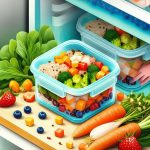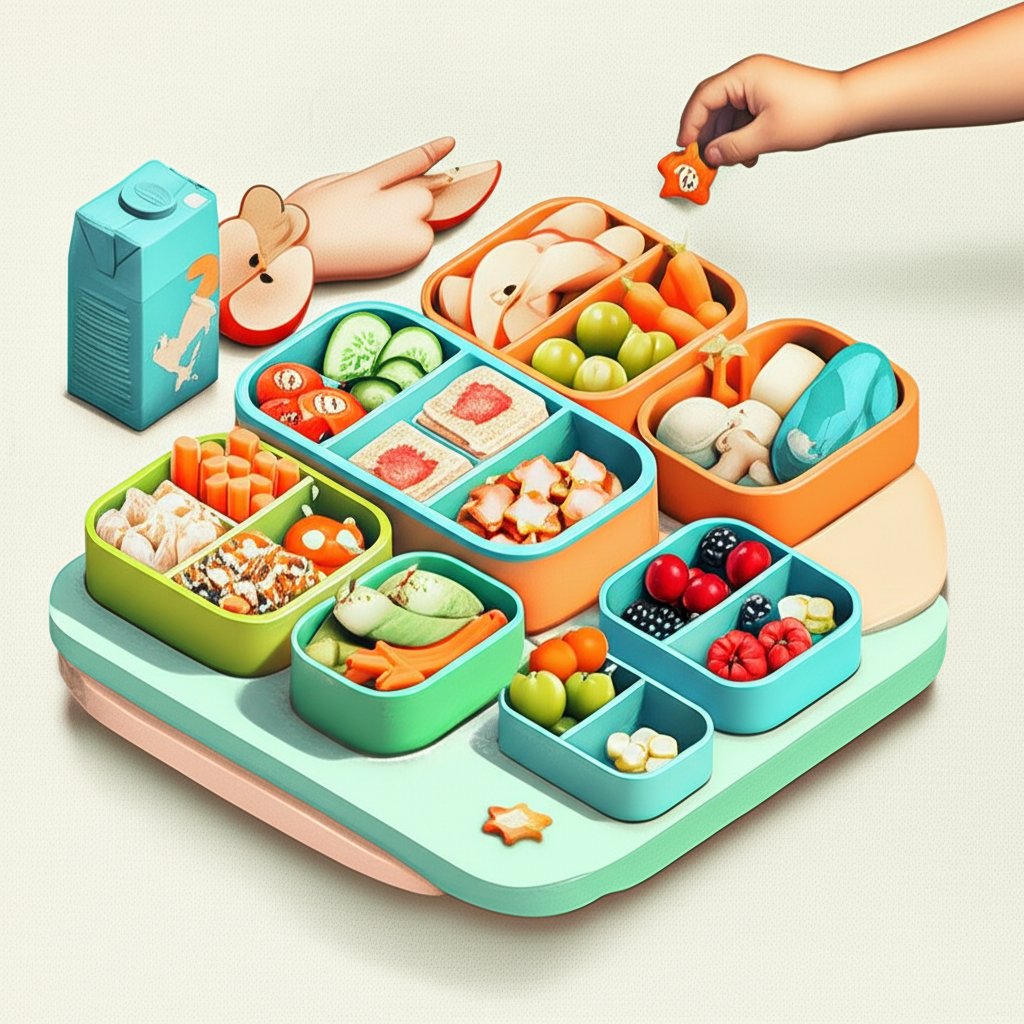
That moment of dread when your toddler demands a snack in the car. You rummage through a bag filled with a half-crushed granola bar, a leaky pouch of applesauce, and a Ziploc of now-stale crackers. A well-packed mini bento box transforms this chaotic scramble into a moment of calm, organized satisfaction. It’s more than just a container; it’s a system for turning snack time into a simple, appealing, and mess-free experience for kids and parents alike.
This isn’t about creating elaborate food art. It’s about leveraging a smart tool to make your life easier and your child’s snacks healthier and more inviting.
At a Glance: Your Mini Bento Takeaways
- Perfect Portions, Zero Guesswork: Learn why the typical 2-cup capacity is the sweet spot for a balanced toddler meal or a big-kid snack.
- The Leak-Proof Litmus Test: Understand the difference between a truly spill-proof box and one that just keeps messes contained.
- Kid-Friendly Features: Get the truth about latches, seals, and what your child can realistically handle at different ages.
- Pack Like a Pro: Master a simple formula for filling your mini bento with foods that stay fresh, look great, and won’t turn into a soggy mess.
- Care and Cleaning That Lasts: Discover the one simple washing rule that protects your bento’s seal and extends its life.
Beyond Just a Container: The Real Wins of a Mini Bento
Switching from a collection of small bags and containers to a single mini bento box might seem like a small change, but its benefits ripple through your daily routine. It streamlines packing, reduces waste, and subtly encourages better eating habits.
Portion Control Without the Guesswork
Most mini bento boxes hold a total volume of just over 2 cups. This isn’t an arbitrary number; it’s a fantastic guideline for a substantial, well-rounded snack or a small meal suitable for a toddler or preschooler.
Instead of wondering if you’ve packed too much or too little, the compartments guide you. One section for protein like cheese cubes or a rolled-up slice of turkey, another for whole-grain crackers, a spot for berries, and a small well for a dip. You can see at a glance if the snack is balanced, and you naturally avoid over-packing processed, single-serving snacks.
Eliminating the “Snack Explosion” in Your Bag
A quality mini bento box is an engineering marvel against messes. The best designs, like the award-winning Kinsho MINI bento, feature a silicone-lined lid with individual seals for each compartment. When you close the lid and secure the four side latches, each section becomes an isolated, leak-proof pod.
This means you can pack yogurt, applesauce, or hummus right next to crunchy crackers without fear of them mingling. That confidence is a game-changer for parents who are tired of discovering a sticky film over everything in the diaper bag. This compartment-based approach is a core principle of bento packing in general. If you’re building your lunch-packing skills from the ground up, our comprehensive Small bento box lunch guide covers all the foundational strategies.
Making Healthy Foods Visually Appealing
Kids, especially picky ones, eat with their eyes first. A jumble of food in a bag is unappealing. But the same foods neatly arranged in a mini bento box look like a colorful, interesting treasure chest.
The separated compartments keep everything looking fresh and vibrant.
- Color Contrast: Bright red strawberries pop next to green cucumber slices.
- Texture Separation: Crunchy pretzels stay snappy instead of getting soggy from nearby fruit.
- A Sense of Choice: Offering three or four small options gives a child a sense of control, making them more likely to try things.
This visual organization can be the secret weapon in getting a hesitant eater to try a new vegetable or fruit.
Decoding the Features: What Actually Matters in a Mini Bento

Not all small containers are created equal. When you’re choosing a mini bento box, a few key features determine whether it will be a daily helper or a source of frustration.
Leak-Proof vs. Leak-Resistant: A Critical Distinction
This is the single most important feature to understand.
- Leak-Resistant: This usually means the box has a single seal around the outer edge. It will prevent a major spill from getting into your bag, but liquids can and will slosh between compartments inside.
- Leak-Proof: This is the gold standard. It requires a lid with molded silicone seals that press down firmly into each individual compartment. This design is what allows you to pack applesauce next to crackers with complete confidence.
Real-world scenario: Imagine packing hummus and pretzel thins. In a leak-resistant box, a bumpy car ride could leave you with hummus-coated pretzels. In a truly leak-proof box, they remain perfectly separate until your child is ready to eat.
Latches Little Hands Can (or Can’t) Handle
The security of a leak-proof seal comes from a tight fit and strong latches. This creates a necessary trade-off for parents of very young children. A box with four robust, snap-tight closures is fantastic for ensuring nothing spills.
However, as noted by many parents, these secure seals can be challenging for toddlers or young preschoolers to open independently. This isn’t a design flaw—it’s physics. For daycare or preschool, you may need to ask the teacher for assistance. The alternative is an easier-to-open box that risks spilling yogurt all over a backpack. Test it at home first to manage expectations.
Materials Check: Safety and Durability First
Look for a mini bento box made from food-grade, high-quality materials. Non-negotiable features include being BPA-free and phthalate-free. These are industry standards for safe plastics that come into contact with food. Good design also extends to durability—the box should be sturdy enough to withstand being dropped or jostled in a bag without cracking.
Sizing It Up: From Toddler Bites to “Big Kid” Snacks
A mini bento box is versatile, but its ideal use changes with your child’s age and appetite.
| Age Group | Best Use Case | Example Snack |
|---|---|---|
| Toddlers (1-3) | A complete small meal | Scrambled egg, quartered grapes, soft cheese cubes, puffs |
| Preschoolers (3-5) | A very hearty snack | Mini bagel w/ cream cheese, carrot sticks, hummus, berries |
| Big Kids (6+) | A perfect after-school or sports snack | Greek yogurt, granola, apple slices, a hard-boiled egg |
| Adults | Side dish or portion-controlled snack | Side salad with dressing, cottage cheese with fruit, veggies and dip |
Your Step-by-Step Guide to Stress-Free Snack Packing
Packing a great mini bento doesn’t require special skills, just a simple framework and a few good ideas.
The “PFC” Formula for a Balanced Snack
For a snack that provides lasting energy, aim to include a little something from each of these categories. The compartments make it easy to visualize.
- Protein: Keeps them full and focused.
- Examples: Hard-boiled egg, cheese cubes, edamame, Greek yogurt, hummus, deli meat roll-ups.
- Fiber/Fruit/Veggies: Provides vitamins and nutrients.
- Examples: Berries, cucumber slices, baby carrots, bell pepper strips, apple slices, mandarin oranges.
- Complex Carb: Delivers steady energy.
- Examples: Whole-grain crackers, mini pita bread, pretzels, a small whole-wheat muffin, granola.
Mastering the Art of “No-Spill” Packing
Even with a leak-proof box, a little strategy goes a long way in preserving food texture.
- Place wettest items in the smallest compartments. This contains things like dips and sauces most effectively.
- Pat fruit dry. Give berries or sliced melon a quick pat with a paper towel before packing to prevent them from making adjacent crackers soggy.
- Use silicone liners for extra separation. For things like goldfish crackers or nuts, a simple silicone muffin cup can add another layer of protection and a fun pop of color.
Snack Ideas That Fit and Don’t Spoil
Here are some tried-and-true combinations that work perfectly in a mini bento box:
- The Deconstructed Pizza: Mini pita or crackers, a small compartment of marinara sauce, shredded mozzarella, and mini pepperonis.
- The Breakfast Box: One hard-boiled egg, a handful of berries, and a small scoop of plain yogurt with a sprinkle of granola.
- The Dip Station: Hummus or guacamole in the center well, with baby carrots, pretzel thins, and cucumber slices in the surrounding compartments.
- The Sweet & Salty: Apple slices, a cube of sharp cheddar cheese, and a few whole-grain crackers.
- The Mini Charcuterie: Rolled-up turkey or ham, cheese cubes, a few olives, and a handful of grapes.
Keeping Your Mini Bento Box in Top Shape
A little bit of proper care will ensure your bento box lasts for years and its seals remain effective.
The Right Way to Wash for a Lasting Seal
This is the most critical maintenance tip. High heat from a dishwasher’s drying cycle can warp the plastic lid and damage the delicate silicone seal, compromising its leak-proof ability.
- Bottom Box: The base is almost always top-rack dishwasher safe.
- Lid: Always hand-wash the lid. Use warm, soapy water and a soft sponge. This simple step is the key to preserving the shape and integrity of the seal.
Storing and Preventing Odors
After washing, allow both the lid and the base to air dry completely before putting them away. To prevent musty smells from developing, store the box with the lid unlatched, either resting on top or stored separately.
If you do encounter a stubborn food odor (like from tomato sauce), make a paste of baking soda and water, spread it inside the container, let it sit for a few hours, and then wash as usual.
Quick Answers to Common Mini Bento Questions
Is a mini bento box big enough for a full lunch?
For a toddler or a very light eater, it can be. For most school-aged children and adults, a mini bento is perfectly sized for a substantial snack or a very small, light meal. The total capacity is generally around 2 to 2.5 cups.
Are all mini bento boxes leak-proof?
No, and this is a key point of confusion. To be truly leak-proof between compartments, the box must have a lid with integrated silicone seals that press down into each section. A simple outer gasket will only prevent spills from getting into a lunch bag; it won’t stop yogurt from seeping into crackers inside the box.
Can my toddler actually open a mini bento box?
It depends entirely on the latch design and your child’s fine motor skills. High-security boxes with four tight latches are excellent for preventing spills but may require adult help for children under four. It’s a trade-off between independence and a guaranteed mess-free backpack. Always do a test run at home.
What shouldn’t I pack in a mini bento box?
Avoid very hot liquids like soup. While the seals are tight, they aren’t typically designed for the pressure and temperature of hot, sloshing liquids. Also, be mindful that even in separate compartments, condensation from very wet items (like cut watermelon) can slightly soften ultra-crispy snacks over several hours.
Your Mini Bento Success Plan
Getting started is simple. Forget the pressure to be perfect and focus on the practical wins for your family.
- If your top priority is zero spills for daycare or car rides, choose a model with a multi-latch system and individually sealed compartments. Accept that your little one might need a hand opening it.
- If your main goal is to entice a picky eater, use the compartments as a canvas. Focus on offering a “rainbow” of colorful, low-pressure choices in small quantities.
- If you’re simply tired of waste and clutter, a mini bento box is your new best friend. It elegantly replaces a dozen baggies and containers, making your routine smoother and more sustainable.
By embracing this simple tool, you’re not just packing a snack. You’re packing a little bit of order, variety, and fun into your day.

- Master Vegan Freezer Meal Prep to Simplify Your Busy Schedule - June 18, 2026
- Vegan Freezer Cooking Simplifies Healthy Meals on Busy Nights - June 17, 2026
- Vegetarian Freezer Recipes for Effortless Meal Prep and Delicious Dinners - June 16, 2026