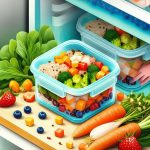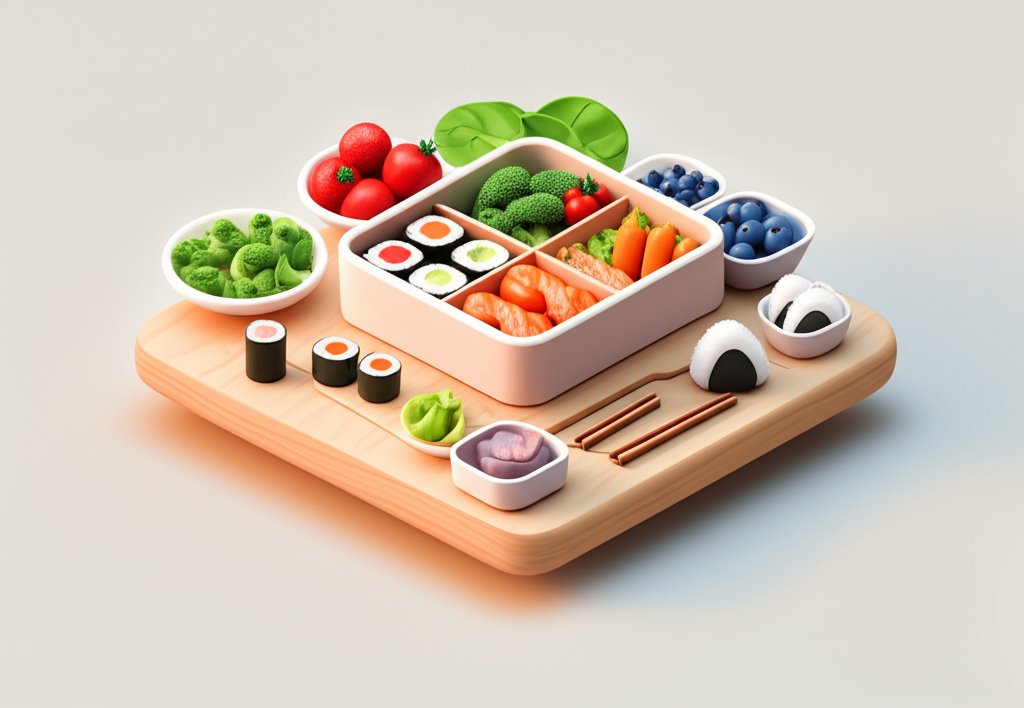
That sinking feeling at 11 AM when you realize your carefully packed salad is now a soggy mess, or your crackers have softened from the adjacent fruit, is all too familiar. Successful meal prep is as much about the container as it is about the food, which is why your approach to bento box shopping can completely transform your daily lunch routine. It’s not just about buying a box; it’s about choosing a system that works for your life, your food, and your style.
This isn’t just another product guide. It’s a specialist’s playbook for navigating the surprisingly complex world of modern lunch containers.
At a Glance: Your Bento Box Buying Guide
- Match Material to Your Needs: Learn why stainless steel is great for durability, glass is best for reheating, and modern plastics offer lightweight convenience.
- Master the Compartment Game: Understand how the number and size of dividers can either simplify or complicate your meal prep.
- Decode “Leak-Proof” Claims: Discover the difference between truly leak-proof seals for liquids and leak-resistant dividers for drier foods.
- Size It for Success: Get practical tips for choosing a bento box that fits both your appetite and your lunch bag.
- Identify Essential Features: Learn which bells and whistles—like included utensils or microwave-safe vents—are actually worth it.
- Avoid Common Pitfalls: Sidestep the mistakes that lead to cracked lids, warped containers, and unsatisfying lunches.
First, Define Your Lunch Philosophy
Before you even start browsing, take a moment to think about what you actually eat. Are you a creature of habit who packs a sandwich and an apple every day? Or are you an adventurous foodie who loves deconstructed salads, grain bowls, and multiple snacks?
Your answer dictates the kind of bento box that will serve you best. A simple, two-compartment box might be perfect for the sandwich lover, but it would frustrate the foodie who needs to keep wet and dry ingredients separate. This initial self-assessment is the most critical step in your bento box shopping journey. As you consider the possibilities, it can be helpful to see the vast array of styles available. Shop for your ideal bento box to get a sense of the layouts and materials that might align with your lunch goals.
Match the Material to Your Lifestyle

The material of your bento box affects its weight, durability, how it’s cleaned, and whether you can reheat food in it. There’s no single “best” material—only the best one for you.
High-Quality, BPA-Free Plastic
This is the most common and versatile option. Modern food-grade plastics are a world away from the flimsy containers of the past. They are lightweight, often very durable, and come in the widest variety of colors and configurations.
- Best for: Students, commuters, and anyone prioritizing a lightweight, affordable, and often dishwasher-safe option.
- Case Snippet: A parent packing for a 7-year-old chose a colorful plastic bento from a brand like Bentgo. It’s light enough for a small child to carry, durable enough to withstand being dropped, and the fun colors make lunchtime more appealing.
- Watch out for: Staining from foods like tomato sauce or curry, and potential warping if placed on the bottom rack of a hot dishwasher. Always check if it’s microwave-safe.
Sleek and Sturdy Stainless Steel
Stainless steel is the workhorse of the bento world. It’s virtually indestructible, won’t retain odors or stains, and is completely non-toxic. It has a modern, minimalist aesthetic that appeals to many adults.
- Best for: Adults who want a long-lasting, plastic-free option for cold or room-temperature lunches like salads, sandwiches, and trail mix.
- Case Snippet: An office worker who meal preps large salads for the week uses a large, single-compartment stainless steel box. It keeps greens crisp and fresh, and they can toss it in their work bag without ever worrying about it cracking.
- Watch out for: You cannot put it in the microwave. Lids can sometimes be tricky—look for designs with secure silicone seals or clips to ensure they are leak-proof.
Clean and Clear Glass
Glass is the champion of purity and reheating. It’s non-porous, so it will never stain or hold onto odors. Best of all, you can take it directly from the fridge to the microwave, making it perfect for leftover-lovers.
- Best for: Office workers who primarily eat reheated leftovers and prefer to see their food clearly. Ideal for home or work, but less so for travel.
- Case Snippet: A software developer preps five servings of chicken and roasted vegetables on Sunday. Each serving goes into a compartmentalized glass bento. At work, they can just pop the lid (or vent it) and microwave for a hot, healthy lunch without transferring food to another dish.
- Watch out for: Weight and fragility. Glass bento boxes are significantly heavier and can break if dropped. Look for models with protective silicone sleeves.
A Quick Comparison of Bento Materials
| Material | Pros | Cons | Best Use Case |
|---|---|---|---|
| Plastic | Lightweight, affordable, versatile designs, often microwave/dishwasher safe | Can stain/warp, not as durable as steel, concerns about plastic | Daily use for kids and adults, cold or reheatable lunches |
| Stainless Steel | Extremely durable, won’t stain or retain odors, plastic-free | Not microwaveable, can be heavier, may have noisy clips | Cold lunches, salads, sandwiches, rugged use, school |
| Glass | Microwave-safe, won’t stain or retain odors, easy to see contents | Heavy, breakable, not ideal for kids or long commutes | Office lunches, reheating leftovers, food storage at home |
| Wood/Bamboo | Aesthetically pleasing, traditional, lightweight | Not leak-proof, requires hand-washing, can absorb odors | Dry foods only (rice, sandwiches), aesthetic presentation |
Deconstructing the Compartments: The Art of Division
The magic of a bento box lies in its compartments. They enforce portion control and keep foods from mingling. But more isn’t always better.
The Minimalist (1-3 Compartments)
These are your classic lunch boxes. A single large section is perfect for salads or grain bowls where you intend to mix everything. A two- or three-compartment layout is ideal for the “main + side(s)” formula.
- Example Meal: Grilled chicken (main compartment), quinoa salad (side), and berries (smaller side).
The Grazer (4+ Compartments)
Boxes with four, five, or even six small compartments are designed for variety and snacking. They are perfect for “deconstructed” meals, keeping multiple wet and dry ingredients separate until you’re ready to eat.
- Example Meal: Hummus, pita triangles, cucumber slices, cherry tomatoes, a handful of nuts, and a few grapes, all in their own sections.
Think about how you build your plate. If you like your foods to touch, fewer compartments are fine. If the thought of your carrot sticks getting damp from your yogurt dip makes you cringe, you’re a candidate for a multi-compartment design.
Your 5-Step Bento Shopping Playbook

Feeling overwhelmed by the options? Follow this simple process to narrow down the choices and find your perfect match.
- Assess Your Typical Lunch: For one week, pay attention to what you pack. Is it mostly wet? Dry? Hot? Cold? This is your most important data point.
- Measure Your Lunch Bag: This sounds obvious, but it’s a common mistake. A beautiful bento box is useless if it doesn’t fit in your bag. Note the internal dimensions of your favorite lunch tote or backpack pocket.
- Prioritize Your “Must-Have” Feature: What is your non-negotiable?
- “It absolutely must not leak soup.” -> Look for screw-top lids or latches with a thick silicone gasket.
- “I have to be able to microwave it.” -> Filter for glass or microwave-safe plastic with a vent.
- “It has to survive my kid’s backpack.” -> Prioritize durable plastic or stainless steel.
- Check the Seal Integrity: Not all seals are created equal. A lid that seals the entire box is great for preventing a spill in your bag. But if you want to keep yogurt from seeping into your granola, you need a box where each individual compartment has a silicone seal on the lid. Read reviews specifically mentioning how well the internal dividers prevent leaks.
- Read Long-Term User Reviews: Don’t just look at the 5-star reviews from the first week. Search for reviews from people who have used the box for six months or more. Do the clips break? Does the plastic warp? Does the seal hold up? This is where you find the truth about a product’s durability.
Quick Answers to Common Bento Box Questions
Here are some rapid-fire answers to the questions that often come up during bento box shopping.
Are all bento boxes really leak-proof?
No. “Leak-proof” typically refers to the outer seal, preventing liquids like soup from spilling into your bag. “Leak-resistant” often describes the internal dividers, which may prevent thick substances like hummus from moving but won’t stop vinaigrette from seeping through. If you need to pack liquids, look for models that explicitly state they have a 100% leak-proof gasket seal.
Can I put my bento box in the dishwasher and microwave?
It depends entirely on the material.
- Glass: Almost always yes for both (check lid instructions).
- Stainless Steel: Dishwasher yes, microwave NO (it’s metal!).
- Plastic: Usually top-rack dishwasher safe. Microwave safety varies widely—always check the bottom of the container for symbols or manufacturer instructions. Heating in a non-microwave-safe plastic can warp it or leach chemicals.
- Wood/Bamboo: Hand-wash only. Never microwave or put in the dishwasher.
How do I stop my hot food from making my cold food warm?
This is a classic bento challenge. The best solution is to use separate containers—a small insulated thermos for the hot soup and a bento for the cold salad and sandwich. Some high-end bento systems come with modular insulated jars that fit inside a larger carrier.
Why are some bento boxes so expensive?
You’re paying for design, material quality, and features. A $40 stainless steel box from a brand like PlanetBox is an investment in durability—it might last a decade. A $15 plastic box may only last a year or two before the clips break or it becomes stained. The higher price often reflects better-engineered seals, higher-grade materials (like 18/8 stainless steel), and a more thoughtful design.
Make Your Choice and Upgrade Your Lunch
Choosing the right bento box is less about finding a perfect, one-size-fits-all container and more about finding the perfect container for your size, your meals, and your daily grind. By focusing on your actual eating habits and prioritizing the features that solve your biggest lunchtime frustrations—whether that’s sogginess, spills, or sheer boredom—you move beyond just buying a product.
You’re investing in a system that encourages healthier eating, reduces waste from single-use plastics, and brings a little bit of order and joy to the midday meal. Take these tips, trust your gut, and get ready to pack lunches you actually look forward to eating.

- Master Vegan Freezer Meal Prep to Simplify Your Busy Schedule - June 18, 2026
- Vegan Freezer Cooking Simplifies Healthy Meals on Busy Nights - June 17, 2026
- Vegetarian Freezer Recipes for Effortless Meal Prep and Delicious Dinners - June 16, 2026