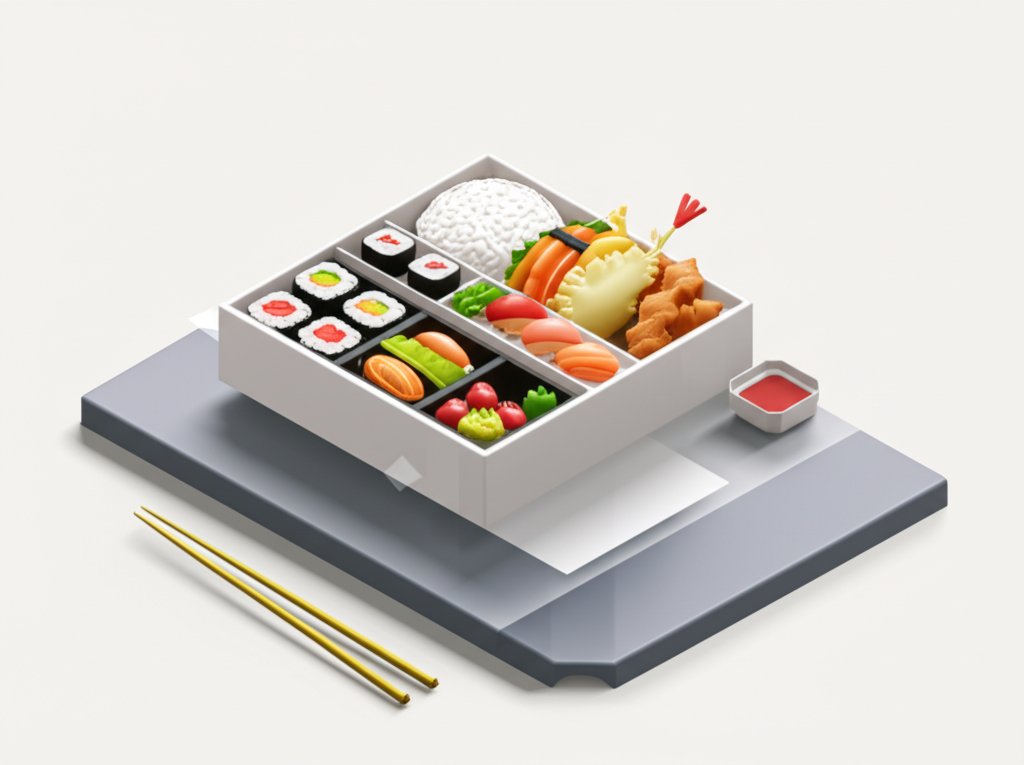
A well-plated meal can lose all its appeal the moment it shifts in a takeout container, with sauces bleeding together and textures turning soggy. The solution for many modern restaurants and caterers is the humble yet highly effective bento box tray. More than just a container, these sectioned trays are a system for ensuring a meal arrives—or is presented—with the same care and intention it was prepared with, transforming a simple order into a curated dining experience.
This structured approach is why so many food service professionals rely on bento box trays to manage everything from elegant Japanese kaiseki courses to streamlined corporate lunch catering. They offer a framework for consistency, efficiency, and a superior customer experience.
At a Glance: What You’ll Learn
- Material Matters: How to choose between ABS resin, lacquered wood, melamine, and eco-friendly disposables based on your specific needs for durability, aesthetics, and budget.
- Compartment Strategy: A breakdown of how to match the number and layout of compartments to your menu items to protect flavor, texture, and visual appeal.
- Operational Impact: How the right bento box tray can improve kitchen workflow, reduce plating time, and enhance your brand’s reputation for quality.
- Dine-In vs. Delivery: Key differences in tray selection for in-house presentation versus the rigors of third-party delivery services.
- Cost vs. Value: Understanding the total cost of ownership, including cleaning, replacement rates, and the intangible value of a premium customer experience.
More Than a Box: Why Trays are a Restaurant Game-Changer
While many associate bento with the personal-sized containers used for school or office lunches, the professional bento box tray is a distinct category designed for commercial performance. These are not the simple plastic boxes you find in a department store. They are purpose-built tools for food service. For a detailed look at the variety of personal containers, you can Find Your Perfect Bento Box. Here, we’re focusing on the professional-grade trays that form the backbone of efficient and elegant meal service.
The core benefit is control. By separating components, a bento tray preserves the integrity of each dish. A crispy tempura shrimp doesn’t get steamed by the adjacent teriyaki chicken. A delicate salad vinaigrette doesn’t make the sushi rice soggy. This separation is crucial for delivering the experience the chef intended, whether the customer is at a table or their own desk.
As noted by industry supplier Restaurantware, these compartmentalized solutions streamline both meal presentation and transport. For a busy kitchen, this means faster, more consistent plating. Staff can follow a standardized layout, ensuring every customer receives the same high-quality meal. For caterers, it means stackable, stable, and easily transportable meals that arrive looking pristine.
The Material Matrix: Choosing Your Ideal Bento Tray
The material of your bento box tray dictates its look, feel, durability, and ideal use case. There is no single “best” material; the right choice depends on your operation’s specific demands.
ABS Resin: The High-Volume Workhorse
Acrylonitrile Butadiene Styrene (ABS) is a thermoplastic polymer that is the go-to choice for most high-volume restaurants. It’s the pragmatic option that balances cost, durability, and appearance.
- Pros: Highly durable, resistant to chipping, cracking, and staining from common sauces. It’s generally dishwasher-safe (check manufacturer specs) and relatively lightweight.
- Cons: Can lack the premium feel of wood or lacquer. Over time and with heavy use, it may show scratches.
- Best For: Busy restaurants, high-turnover cafes, and large-scale catering operations that need a reliable, easy-to-clean, and long-lasting solution.
- Case Snippet: A fast-casual Asian grill uses red and black ABS bento trays for their lunch specials. The trays withstand hundreds of wash cycles a week and provide a consistent, branded look for both dine-in and pickup orders.
Lacquered Wood & Melamine: The Aesthetic Choice
For establishments where presentation is paramount, traditional lacquered wood or high-quality melamine offers an elevated aesthetic.
- Lacquered Wood: Offers an authentic, premium feel that’s perfect for traditional Japanese cuisine. It’s beautiful and tactile. However, it’s often hand-wash only, more susceptible to scratches, and carries a higher price tag.
- Melamine: A durable, hard plastic that can mimic the look of ceramic or wood at a lower cost. It’s more break-resistant than ceramic and typically dishwasher-safe, offering a good compromise between beauty and practicality.
- Best For: Upscale Japanese restaurants, fine-dining establishments offering prix-fixe lunch menus, and hotels aiming for a luxurious in-room dining experience.
- Case Snippet: A high-end sushi bar presents its Omakase lunch in a glossy, black lacquered bento box tray. The elegant container enhances the perceived value of the meal and reinforces the restaurant’s commitment to authentic presentation.
Eco-Friendly Disposables: The Modern Takeout Solution
With the rise of delivery and a growing focus on sustainability, compostable and recyclable single-use bento trays have become essential. These are typically made from materials like sugarcane fiber (bagasse), bamboo, or PLA (a corn-based plastic).
- Pros: Eliminates the need for washing and returns. Offers a strong environmental selling point for customers. Many are microwave-safe and hold up well to grease and moisture.
- Cons: Higher per-unit cost than reusable options. Quality can vary, so it’s vital to test for lid security and structural integrity.
- Best For: Delivery-only kitchens (“ghost kitchens”), food trucks, and quick-service restaurants that want to offer a premium, eco-conscious packaging option.
| Material | Durability | Aesthetic | Cost | Primary Use Case |
| :— | :— | :— | :— | :— |
| ABS Resin | High | Good (Functional) | $$ | High-Volume Dine-In, Takeout |
| Lacquered Wood | Low-Medium | Excellent (Premium) | $$$$ | Upscale Dine-In |
| Melamine | High | Very Good (Versatile) | $$$ | Dine-In, Catering |
| Disposables | Single-Use | Good (Modern/Eco) | $ (per unit) | Delivery, Quick Service |
Your Compartment Strategy: Designing for the Menu
The layout of a bento box tray is as important as its material. The goal is to create a “place for everything, and everything in its place.”
The 3-Compartment Classic
This is a popular layout for a simple, balanced meal. It’s perfect for a main protein, a grain, and a vegetable side.
- Example Menu: Grilled salmon, a scoop of quinoa, and steamed broccoli.
The 4 or 5-Compartment Standard
This is the most common configuration in Japanese and pan-Asian cuisine. It allows for greater complexity and separation of flavors and textures, often following traditional principles of a balanced meal.
- Example Menu (5-Compartment):
- Main: Chicken Katsu
- Starch: Steamed Rice
- Pickled: Tsukemono (pickled radish)
- Cooked Side: Gomae (spinach with sesame dressing)
- Fresh/Fried Side: A small spring roll or piece of tamagoyaki (rolled omelet)
Specialty Layouts
Some trays are designed for specific menus. You can find bento trays with long, narrow compartments for sushi rolls, small square sections for sauces like soy sauce or wasabi, and even round indentations for soup bowls.
When selecting a layout, map it directly to your most popular menu items. Does your signature dish have a sauce? Ensure there’s a deep enough compartment to contain it. Do you serve something crispy? Give it a dedicated section away from moisture-rich items. This deliberate planning prevents cross-contamination of flavors and ensures the meal is enjoyed as intended.
A Quick-Start Guide to Selecting Your Bento Box Tray
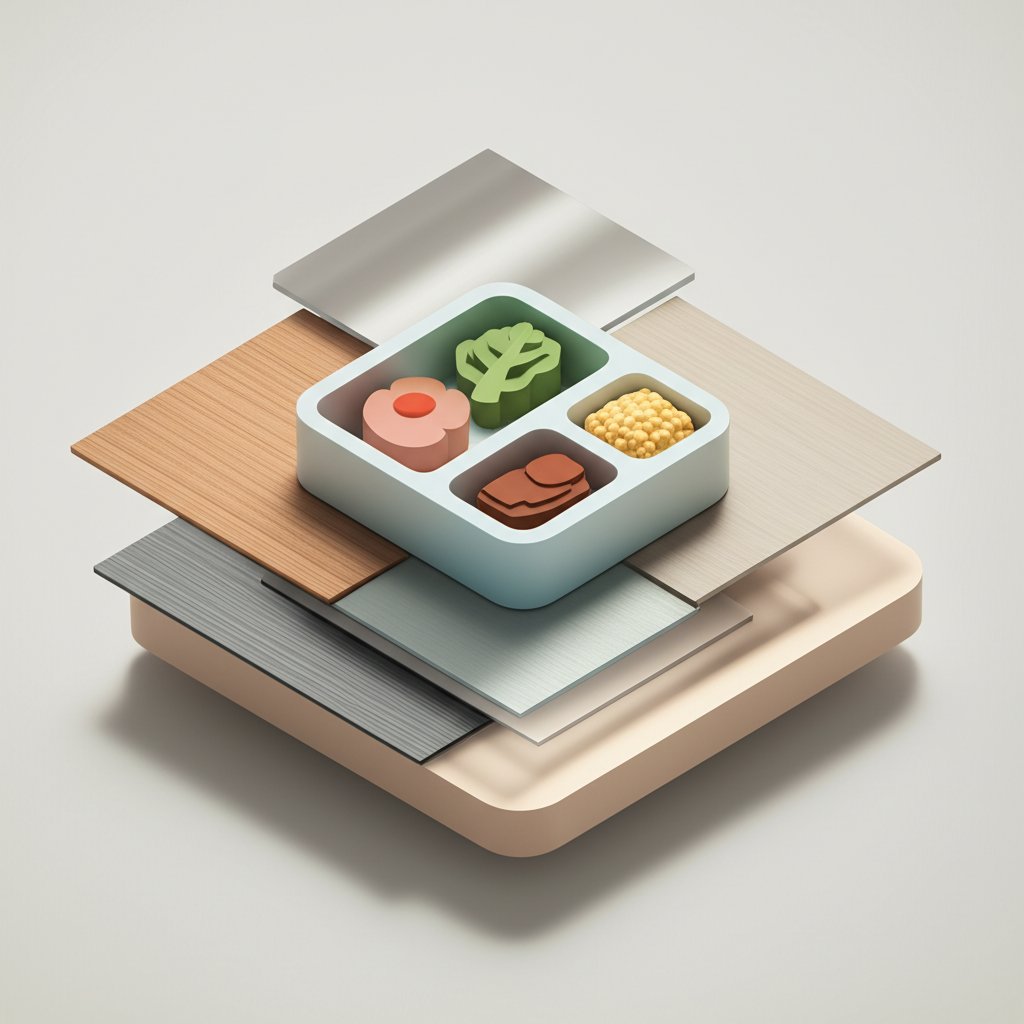
Feeling overwhelmed? Follow this three-step process to narrow down your options and make a confident choice.
- Define Your Primary Use Case:
- Is this for dine-in presentation? Prioritize aesthetics and feel. Lacquered wood or high-quality melamine might be the right fit.
- Is this for high-volume takeout/delivery? Prioritize durability, secure lids, and stackability. ABS resin or premium disposables are your best bets.
- Is it for both? Look for versatile options like ABS resin that present well but can also handle the rigors of transport.
- Match the Tray to Your Top 3 Menu Items:
- Lay out your most popular lunch or catering meals.
- Count the essential components that need separation. This tells you the minimum number of compartments you need.
- Consider the texture and temperature of each component. Place crispy items away from steamy ones. Ensure sauces are contained. Choose a layout that supports your culinary goals.
- Calculate the Total Cost of Ownership (TCO):
- Don’t just look at the per-unit price of a reusable tray.
- Factor in the labor cost of washing and sanitizing.
- Estimate a replacement rate. How many trays will you likely lose to breakage or wear-and-tear per year? A cheaper tray that needs replacing twice as often isn’t a good deal.
- For disposables, calculate the cost per meal and weigh it against the operational savings (no washing, no returns) and marketing benefits.
Quick Answers to Common Questions
Q: What’s the main difference between a bento box and a bento box tray?
A bento box is a general term for a compartmentalized meal container. In a commercial context, a “bento box tray” typically refers to the base container, often a single-layer system with a separate lid, designed for professional food service. They are generally larger, more robust, and designed for specific plating and service workflows compared to smaller, personal-use bento boxes.
Q: Are all bento box trays dishwasher safe?
No. This is one of the most critical factors to verify. ABS resin and most melamine trays are designed for commercial dishwashers. However, traditional lacquered wood trays are almost always hand-wash only, as high heat and harsh detergents can damage the finish. Always check the manufacturer’s specifications.
Q: Can I use a single tray for both hot and cold foods?
Absolutely! This is one of their primary strengths. The compartments act as barriers, allowing you to serve chilled sushi in one section and a warm tempura in another without the temperatures or textures bleeding into each other. This is much harder to achieve with a standard single-compartment container.
Q: Are reusable bento trays a sustainable choice?
Yes, when managed properly. A durable, reusable tray that lasts for hundreds or thousands of services prevents an equivalent number of single-use containers from entering the waste stream. The key is choosing a high-quality product that won’t need frequent replacement and implementing an efficient, water-conscious washing process.
From Container to Experience
Choosing the right bento box tray is more than a logistical decision about packaging; it’s a strategic choice about your brand and the dining experience you deliver. It communicates care, quality, and attention to detail. A well-organized, visually appealing meal that arrives intact tells your customers that you value their experience from the first click to the last bite. By carefully considering your menu, operational needs, and brand identity, you can select a tray that not only protects your food but actively enhances it, turning every meal into a deliberate, satisfying presentation.

- Master Vegan Freezer Meal Prep to Simplify Your Busy Schedule - June 18, 2026
- Vegan Freezer Cooking Simplifies Healthy Meals on Busy Nights - June 17, 2026
- Vegetarian Freezer Recipes for Effortless Meal Prep and Delicious Dinners - June 16, 2026