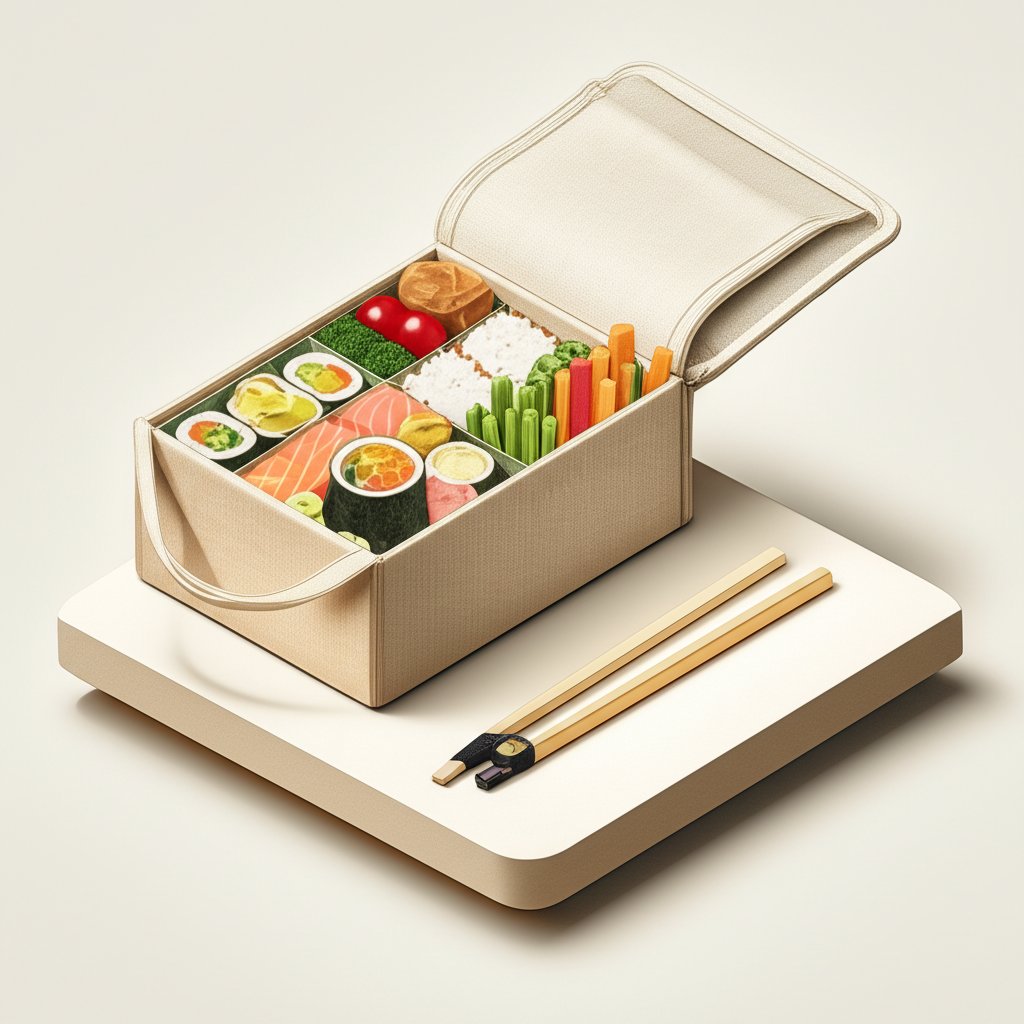
You’ve mastered the art of the bento. You’ve packed a colorful, balanced, and delicious meal, a small masterpiece of culinary planning. But then comes the commute. That beautiful arrangement arrives at your desk looking like it went through a tumble dryer. The solution isn’t to pack less creatively; it’s to find the perfect bento box bag designed to protect your hard work and keep your food fresh.
Unlike a standard lunch sack designed for a sandwich and an apple, a bento bag is purpose-built. It respects the unique, often horizontal, shape of bento boxes, ensuring they stay flat to prevent sauces from mingling and ingredients from shifting into a chaotic mess. It’s the unsung hero of a truly satisfying packed lunch.
At a Glance: Your Quick Guide
Before we dive deep, here are the key things to know about choosing the right bento box bag:
- Orientation is Everything: The best bags have a wide, flat base to keep your bento box level, preventing spills and preserving your food presentation.
- Insulation Matters: A quality insulated lining maintains a safe temperature for your food, keeping cold items crisp and hot items warm for hours.
- Size and Fit are Non-Negotiable: Measure your bento box. The right bag should be snug enough to prevent sliding but have enough room for an ice pack, a drink, or utensils.
- Materials Define Durability: From classic canvas to modern neoprene, the material affects the bag’s longevity, ease of cleaning, and overall look.
- Features Add Convenience: Look for extras like waterproof linings, exterior pockets for napkins and utensils, and comfortable carrying straps.
Why Your Old Lunch Bag Just Won’t Cut It
You might be wondering, “Can’t I just use the free tote bag I got from that conference?” You could, but you’ll be rolling the dice every time. Standard lunch bags and totes are typically designed with vertical depth, perfect for stacking items. A bento box, however, is designed to be kept horizontal.
When you place a bento box sideways in a deep, narrow bag, a few things happen—none of them good:
- The Great Mix-Up: Gravity takes over. Your teriyaki sauce seeps into your rice, your fresh fruit gets bruised by a hard-boiled egg, and your neatly separated compartments become one big jumble.
- The Leak Risk: Even the most secure bento box has its limits. Tipping it on its side puts pressure on the seals, dramatically increasing the chances of a messy leak inside your bag (or worse, onto your laptop).
- Inefficient Space: A horizontal box in a vertical bag creates awkward, unusable empty space. It’s an inefficient and unstable way to carry your lunch.
A dedicated bento box bag solves these problems with one simple design principle: a wide, stable base that matches the footprint of your container. It’s the difference between a lunch that looks and tastes as good as when you packed it and a disappointing, jumbled meal.
Decoding the Anatomy of a Great Bento Box Bag

Finding the right bag isn’t about a single “best” option—it’s about finding the best option for you. Let’s break down the key features that separate a truly great bento box bag from the rest.
Material Matters: From Canvas to Neoprene
The fabric of your bag impacts its durability, insulation properties, and how easy it is to clean.
- Canvas/Cotton: These natural fibers offer a classic, often minimalist look. They are lightweight and breathable. While not naturally waterproof or insulating, many high-quality canvas bags come with a PEVA or aluminum foil lining to add those features. They are generally easy to spot-clean or, in some cases, machine wash.
- Nylon/Polyester: These synthetic fabrics are the workhorses of the lunch bag world. They are known for their exceptional durability, resistance to tearing, and natural water resistance. They hold their shape well and are incredibly easy to wipe clean, making them a practical choice for daily use.
- Neoprene: This is the same material used in wetsuits, which tells you two things: it’s fantastic at insulation and it’s very flexible. Neoprene bags stretch to fit snugly around your bento box and other items, preventing them from jostling. They are also machine washable, a huge plus for dealing with inevitable spills.
- Felt/Wool: More common in minimalist or traditional designs, felt offers decent natural insulation and a soft, structured feel. However, it can be more difficult to clean than synthetic options and may absorb odors if not aired out properly.
Insulation: The Key to Freshness and Food Safety
Insulation is arguably the most important feature after the flat base. It keeps your chilled salads crisp and your warm soups at a comforting temperature until lunchtime.
Most insulated bento bags use a layer of foam (like EPE foam) sandwiched between the outer fabric and an inner lining. This lining is often made of:
- Aluminum Foil: Highly reflective, this material is excellent at bouncing thermal energy (heat or cold) back toward its source, keeping the contents at a stable temperature. It’s also waterproof and simple to wipe clean.
- PEVA (Polyethylene Vinyl Acetate): A food-safe, PVC-free plastic liner. It’s waterproof, easy to clean, and a bit more flexible and durable than basic foil linings.
For best results, always use an ice pack for cold foods you plan to eat more than a couple of hours after packing. A good insulated bag will keep that ice pack frozen (or at least very cold) for 4-6 hours, well past your lunch break.
Size & Shape: Getting the Perfect Fit
This is where a measuring tape becomes your best friend. A bag that’s too big allows your bento to slide around, defeating the purpose of a stable base. A bag that’s too small is, well, useless.
Here’s how to get it right:
- Measure Your Bento: Note the length, width, and height of your most-used bento box.
- Add Buffer Room: Look for a bag with internal dimensions that are about a half-inch to an inch larger than your box. This leaves room for an ice pack, a piece of fruit, or a small yogurt.
- Consider Your Extras: Do you also carry a drink bottle, utensils, or a bag of chips? Look for a taller “tote-style” bento bag or one with external pockets to accommodate these items without cramming them in.
Finding the right container is just as important as the bag itself. You can find many great Bento-friendly lunch box options that are designed with standard, easy-to-fit dimensions.
Carrying Styles and Features That Add a Finishing Touch
Once you’ve nailed down the core components, consider the little details that make a bag a joy to use every day.
- Handles & Straps: Simple grab handles are great for carrying your lunch from the car to the office fridge. If you have a longer commute on public transport, a bag with a detachable, adjustable shoulder strap offers hands-free convenience.
- Closure Systems:
- Zippers: The most secure option, keeping contents contained and providing the best seal for insulation.
- Drawstrings (Kinchaku): Common in traditional Japanese designs, they are simple, elegant, and cinch down to hold your bento snugly.
- Velcro/Snaps: Quick and easy, but can be less secure and offer a weaker thermal seal than zippers.
- Pockets & Compartments: An exterior mesh pocket is perfect for a water bottle. A small zippered front pocket can hold utensils, napkins, or condiment packets, keeping them separate from your main meal.
Traditional Elegance vs. Modern Functionality
Bento box bags come in a wide range of styles, from the beautifully simple to the technically complex. Understanding the two main schools of design can help you find one that fits your aesthetic and your lifestyle.
The Japanese Tradition: Furoshiki and Kinchaku
In Japan, the art of packing a lunch is centuries old, and so are the methods for carrying it. Traditional bags prioritize simplicity, elegance, and respect for the meal within.
- Furoshiki: This is not a bag at all, but a single square of decorative cloth. It’s an incredibly versatile and eco-friendly way to wrap and carry a bento box. Learning a few simple knots allows you to create a secure, beautiful bundle with a built-in handle. It’s perfect for those who appreciate minimalism and tradition.
- Kinchaku: This is a simple drawstring bag, often made from beautiful cotton or crepe fabrics. It has a flat bottom and cinches at the top, cocooning the bento box securely. While typically not insulated, its charm and simplicity are undeniable.
If this traditional approach appeals to you, you can Explore Japanese lunch bags to see the beauty and simplicity of these classic designs.
The Modern Tote: Feature-Packed for Daily Life
Modern bento bags take inspiration from the traditional flat-bottomed shape and add a host of practical features for today’s busy lifestyles. These are the bags you’ll most commonly find, characterized by:
- High-Performance Insulation: Built to keep food at a safe temperature for hours.
- Durable, Wipe-Clean Materials: Designed to withstand the rigors of daily commutes.
- Structured Shape: Often with reinforced seams and a rigid base to offer maximum protection.
- Ample Pockets and Storage: Created for the person who needs to carry their meal, drink, snacks, and utensils all in one organized package.
Neither style is inherently better; the choice comes down to your personal needs. Do you value minimalist beauty for a short trip to the office, or do you need a high-tech workhorse for a long day out?
Your Step-by-Step Guide to Choosing the Right Bag
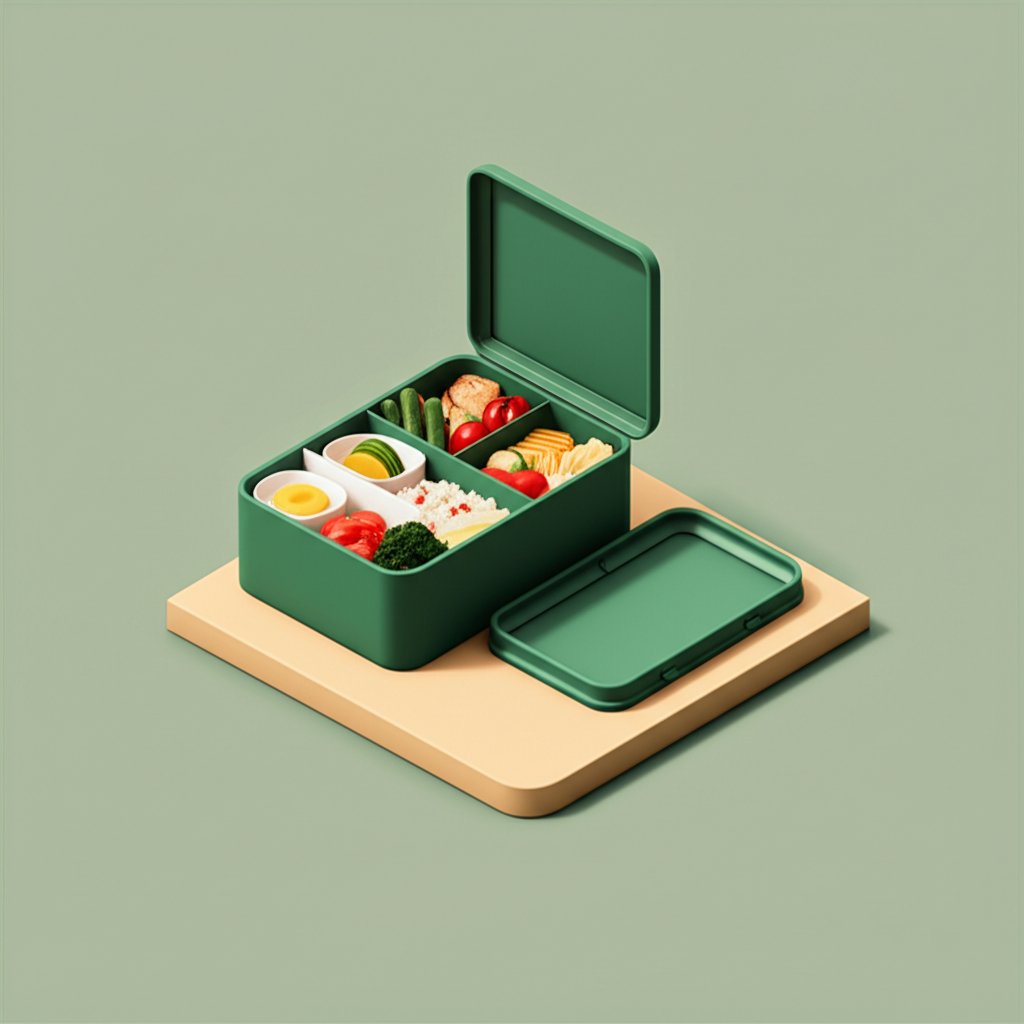
Feeling overwhelmed by the options? Follow this simple framework to find your perfect match.
- Assess Your Daily Routine: Where are you taking your lunch? A student walking across campus has different needs than an office worker with access to a fridge. A construction worker needs something far more rugged. Be realistic about your daily grind.
- Take Inventory of Your Containers: Measure your primary bento box. If you use several different sizes, measure the largest one to ensure you buy a bag that can accommodate it.
- Prioritize Your “Must-Have” Features: Make a short list. Is top-tier insulation non-negotiable? Do you absolutely need a shoulder strap? Knowing your priorities prevents you from being swayed by features you don’t actually need.
- Consider Your Cleaning Style: Be honest. Are you a “wipe-it-down-daily” person or a “throw-it-in-the-wash-on-Friday” person? Choose a material that fits your habits. Neoprene and some canvas bags are often machine washable, while most nylon/polyester bags are wipe-clean only.
- Set a Budget: You can find a functional bento box bag for as little as $10, while high-end, feature-rich bags can cost $30 or more. Setting a price range helps narrow the field significantly.
Frequently Asked Questions About Bento Box Bags
Here are quick, clear answers to some of the most common questions people have.
How do I clean my bento box bag?
For most bags with a PEVA or foil liner, the best method is to wipe the interior with a damp cloth and mild soap after each use. Leave it open to air dry completely to prevent musty smells. For stubborn stains or odors, a paste of baking soda and water can often help. Always check the manufacturer’s tag for specific care instructions.
Can I put my bento bag in the washing machine?
Some can, but many can’t. Neoprene and some all-canvas bags are often machine-washable on a gentle cycle with cold water. However, bags with structured foam insulation or rigid bases should never be put in a washing machine, as it can damage their shape and insulating properties. When in doubt, hand-washing is the safest bet.
How long will an insulated bento bag keep food hot or cold?
This varies widely based on the bag’s quality, the starting temperature of the food, and the ambient temperature. A good quality insulated bag, used with a frozen ice pack, can typically keep food cold and at a safe temperature (below 40°F / 4°C) for 4 to 6 hours. For hot foods, it’s usually a shorter window of 2 to 4 hours.
What is the real difference between a bento bag and a regular lunch box?
The primary difference is shape and orientation. A bento bag has a wide, flat bottom designed to carry a bento box horizontally. A “regular lunch box” is often deeper and more vertical, designed for stacking a sandwich, fruit, and other loose items. Using one for the other often leads to suboptimal results.
Go Beyond the Bag: Tips for a Flawless Packed Lunch
Your bento box bag is a fantastic tool, but using it smartly will elevate your lunch game even further.
- Pre-Chill Your Bag: The night before, stick your empty bento bag and your ice pack in the freezer. Starting with a chilled bag gives your insulation a head start and will keep your food colder for longer.
- Pack Smart to Prevent Leaks: Even with a level bag, leaks can happen. Use small, sealed sauce containers for dressings and dips. For particularly “wet” items like stews or curries, consider using a screw-top insulated food jar that fits inside your bento bag alongside a smaller, dry bento.
- Separate Temperatures: If you’re packing both hot and cold items, use two separate, smaller containers. A high-quality insulated bag can help maintain the temperature differential, but it can’t work miracles. It’s often better to pack a cold bento and have access to a microwave for a hot component.
- Maximize Your Space: Pack your bento box first, setting it on the flat base. Place your ice pack directly on top of or alongside it. Fill in the surrounding gaps with flexible items like a bag of pretzels, a napkin, and utensils. This snug packing prevents items from shifting during transport.
By pairing a great bento box with the right bag and a few smart packing habits, you guarantee that the delicious, beautiful meal you prepared in the morning is the same one you get to enjoy at midday. No more squished salads or jumbled rice bowls—just a perfect, tidy, and fresh lunch, every single time.

- Master Vegan Freezer Meal Prep to Simplify Your Busy Schedule - June 18, 2026
- Vegan Freezer Cooking Simplifies Healthy Meals on Busy Nights - June 17, 2026
- Vegetarian Freezer Recipes for Effortless Meal Prep and Delicious Dinners - June 16, 2026